Reflecting on One Year of Film Photography
A bit over a year ago, in the early summer of 2024, I regained a spark for something I’d lost within the dreary malaise of High School. My close friend, Garrett Susi, a news videographer and freelance photographer/videographer, showed me the newest member of his growing camera collection. Yes, that day the compact Sony CyberShot somehow lit an artistic spark within me that has since left me with thousands of photographs and thousands less in my bank account. In this post we’ll be reminiscing about my subsequent, yearlong (nose?) dive into film photography, learning valuable lessons and hopefully seeing some cool pictures.
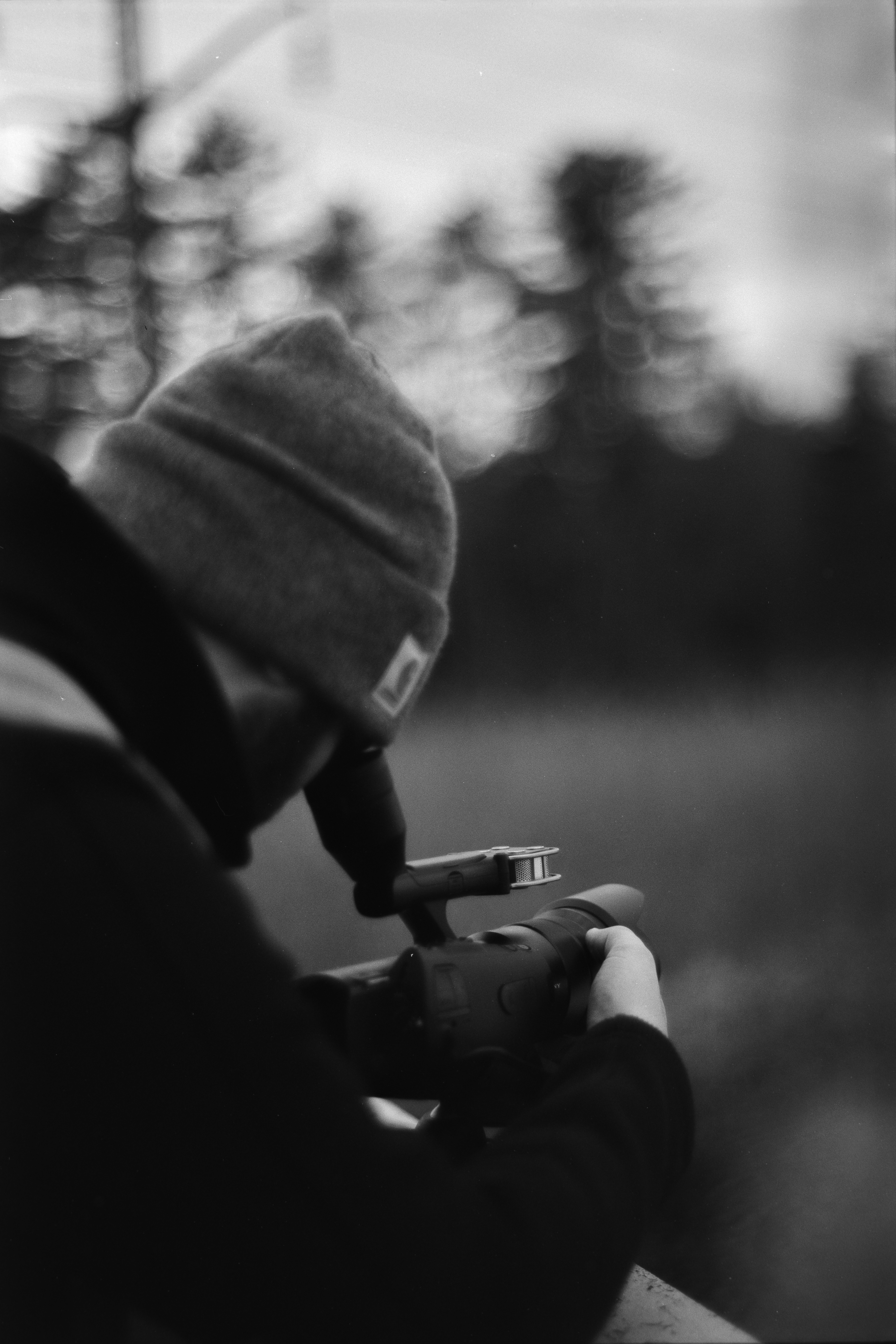
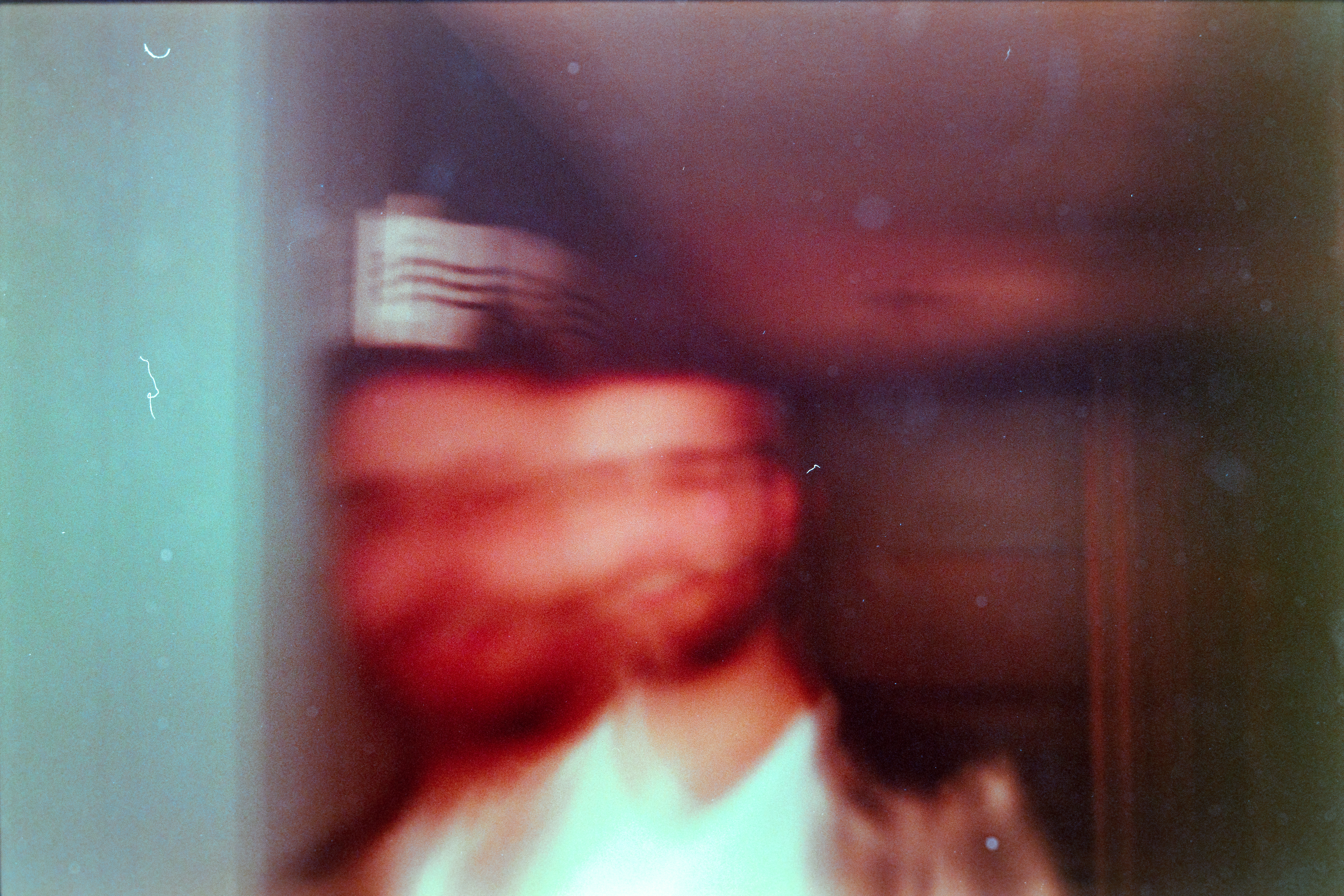

Caption Pictures of Garrett on film circa December 2024. The color photo, taken during a New Years Eve party, is one of my favorites.
The Pre-Film Era
After seeing the CyberShot, my first goal was to find one for myself. Fortunately none were available at a reasonable price, subsequently sending me down a dubiously rigorous research rabbit hole which lead me to my quaint and pocket-able Sony Nex-7, found on KEH. I ordered the camera with expedited shipping, and received it a few hours before leaving for a trip to Vermont (there will be many of these).



Caption Some of the best photos out of the Nex-7 from the Vermont trip. They’re entirely unedited because who has time for that?
Re-familiarizing myself with the flow of photography and rediscovering the exposure triangle was equally exciting and addicting. I took my camera nearly everywhere and took way more photos than I knew what to do with. Over the course of a few months I ended up with literally thousands of photos from all across New England. Within those Gigabytes are countless memories, yet I can’t remember pressing the shutter for nearly any of them.
Unsurprisingly this swiftly lead to burn out, leaving me overwhelmed by the prospect of looking through let alone editing all the countless photos I had taken. In short, something was missing, though I wasn’t quite sure what at the time. But, before we move onto the topic at hand, I do want to spend some time reflecting on this digital era of my photography. Looking back at these photos, with the hindsight of a year of film photography, I’ve gained a deeper appreciation for the digital format. The fidelity and speed of digital photography is unquestionable. Even a relatively cheap 24.3mp, cropped sensor camera like the Nex-7 can capture compelling photos without much editing.
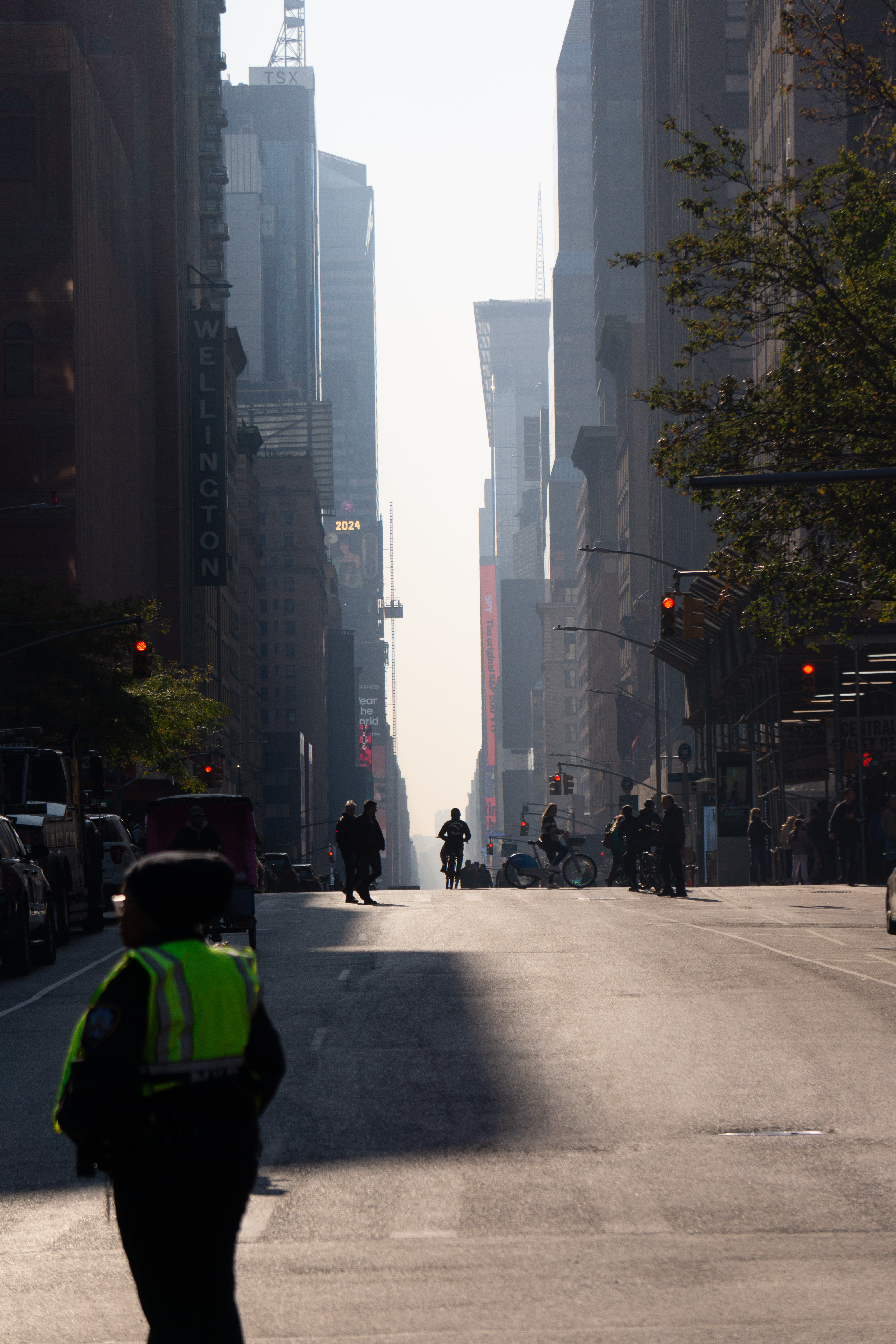


Caption Here are some pictures I do remember taking. My favorite is by far the bottom right, Joy enjoying a cup of curry soup in NYC.
For me the digital format happened to be a poison chalice as with convenience came complacency. Photos were taken with complete disregard because pressing the shutter was free and easy. Taking photos of things took precedence over telling stories about things. It was time to slow down and think.


Caption Fortunately I was able to put my photo barrages to use by putting together some collages.
Humble Beginnings – Argus C44
This is where Garrett, the scoundrel that he is, comes in again. At the time he was beginning to explore film photography, an art form which was, to my knowledge, about as forgotten as last week’s news. He showed me his Canon AE-1 setup and talked about a film camera store, Photo Bar, located in the shattered Hartford of Connecticut. Who would’ve thought. He offered me his ancient, but functional Agfa silette and a broken Minolta XG-1 for all of $25. What a steal!
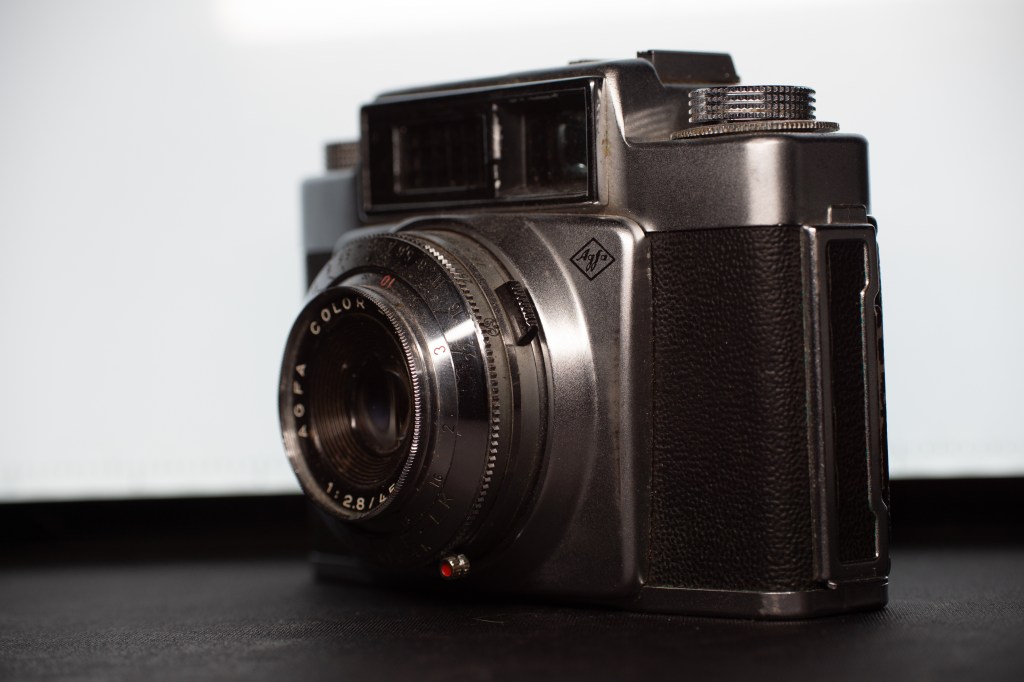
Caption The Agfa, tragically relegated to my shelf, through fortunate to face a better fate than the XG-1
You’re probably wondering about the title of this section, however, which notably contains no mention of Agfa nor Minolta. That’s because I immediately broke the Agfa. Yes, this is where I learned valuable lesson # 1 “Don’t force it if it ain’t movin”. Again, I began performing more dubious research, eventually deciding that repairing the Agfa myself was not a good option and sending it for repairs was too expensive. Thus the Agfa, functional and reliable for over 70 years, met its sorry end in 2024, forever cursed to sit pretty on my shelf.
While looking for a new Agfa on ebay, disturbed by the insane $45 dollar price tags, I stumbled upon the “Brick Camera’s” more ergonomic, younger sibling: the Argus C-44. I went ahead and completed my first of many Ebay purchases for a reasonable $38.46 after shipping and tax, additionally purchasing a wide angle lens, which I later realized doesn’t even fit on the camera, for a further $30.27 total. Here we’ll begin our running cost tally at $68.75.
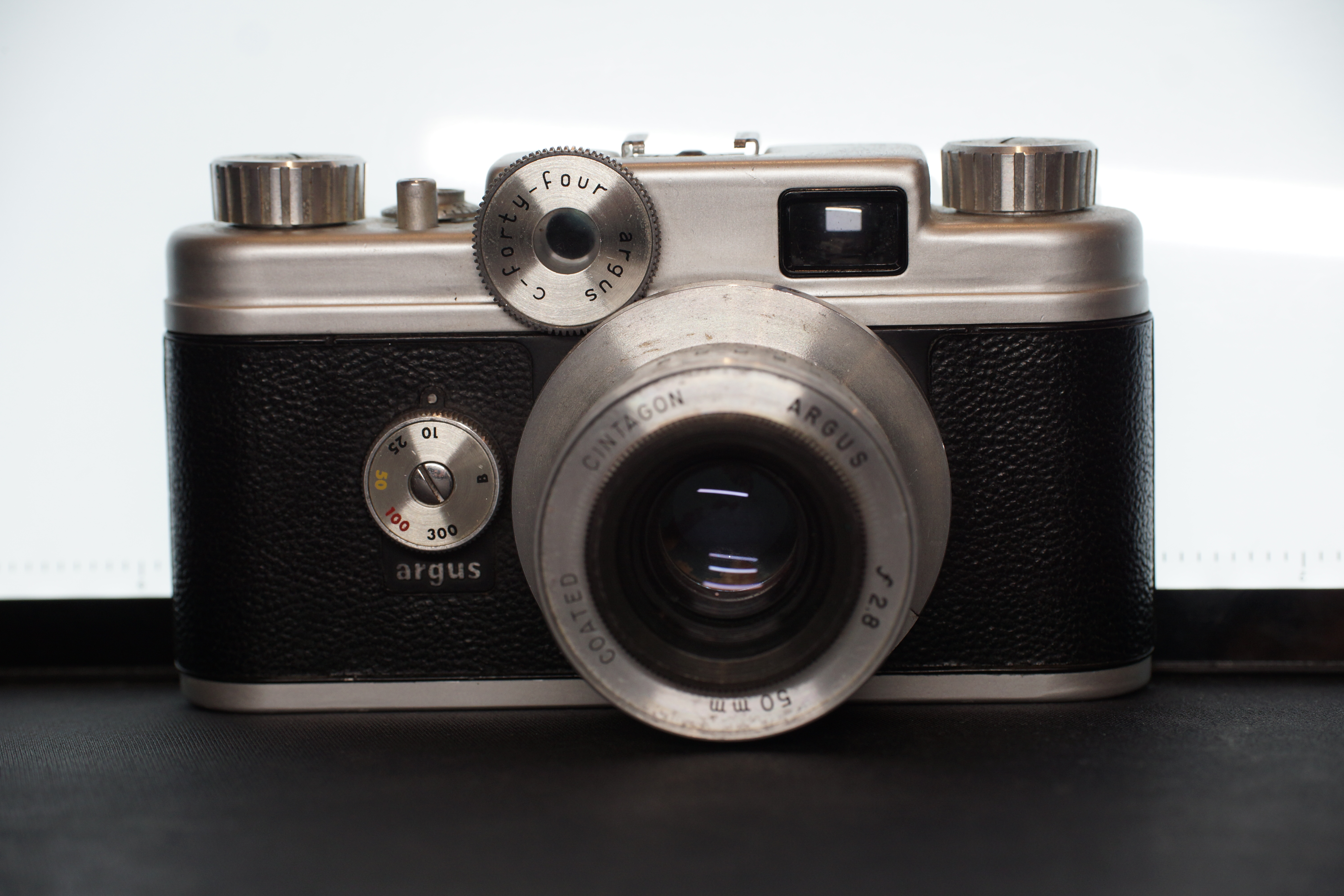
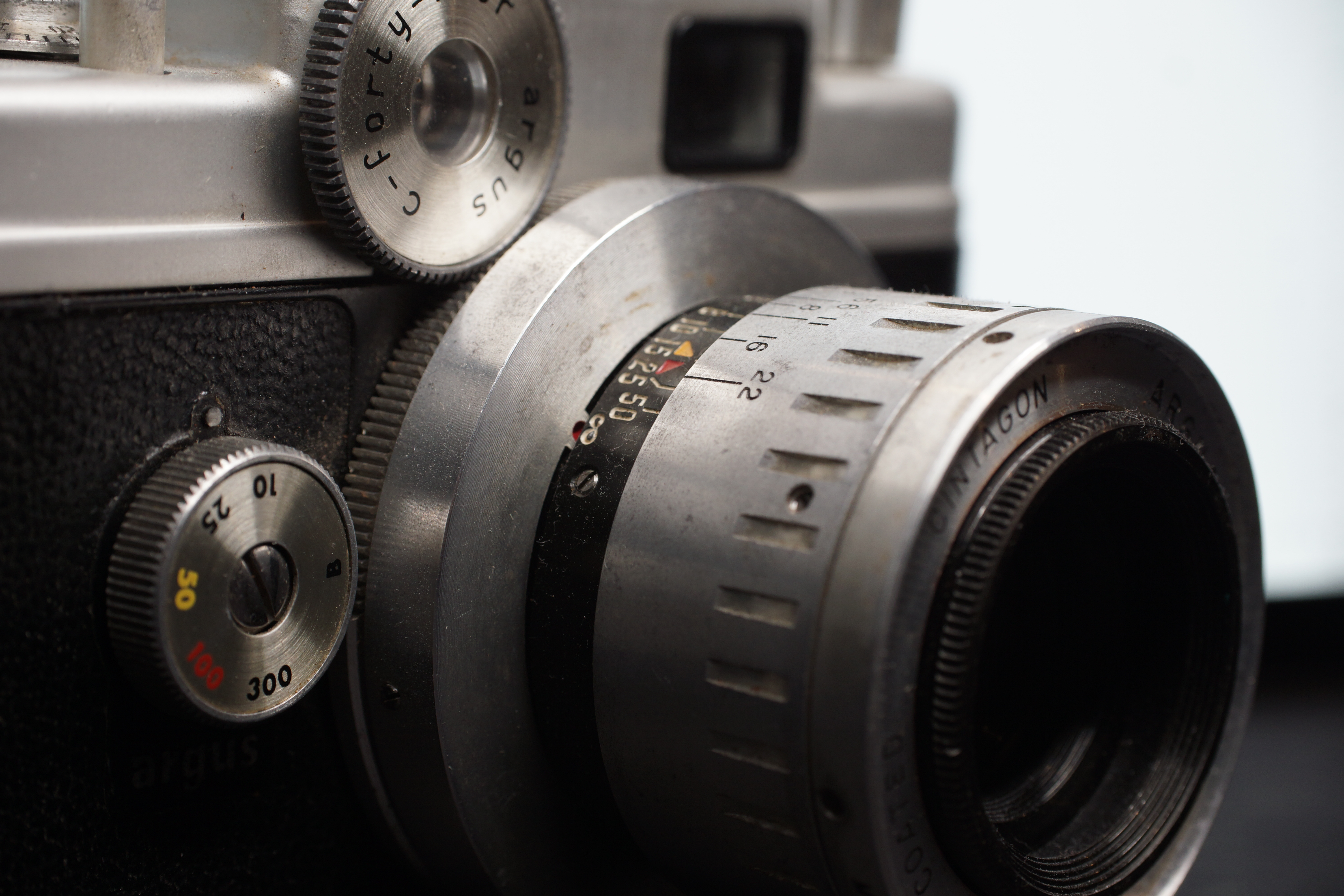
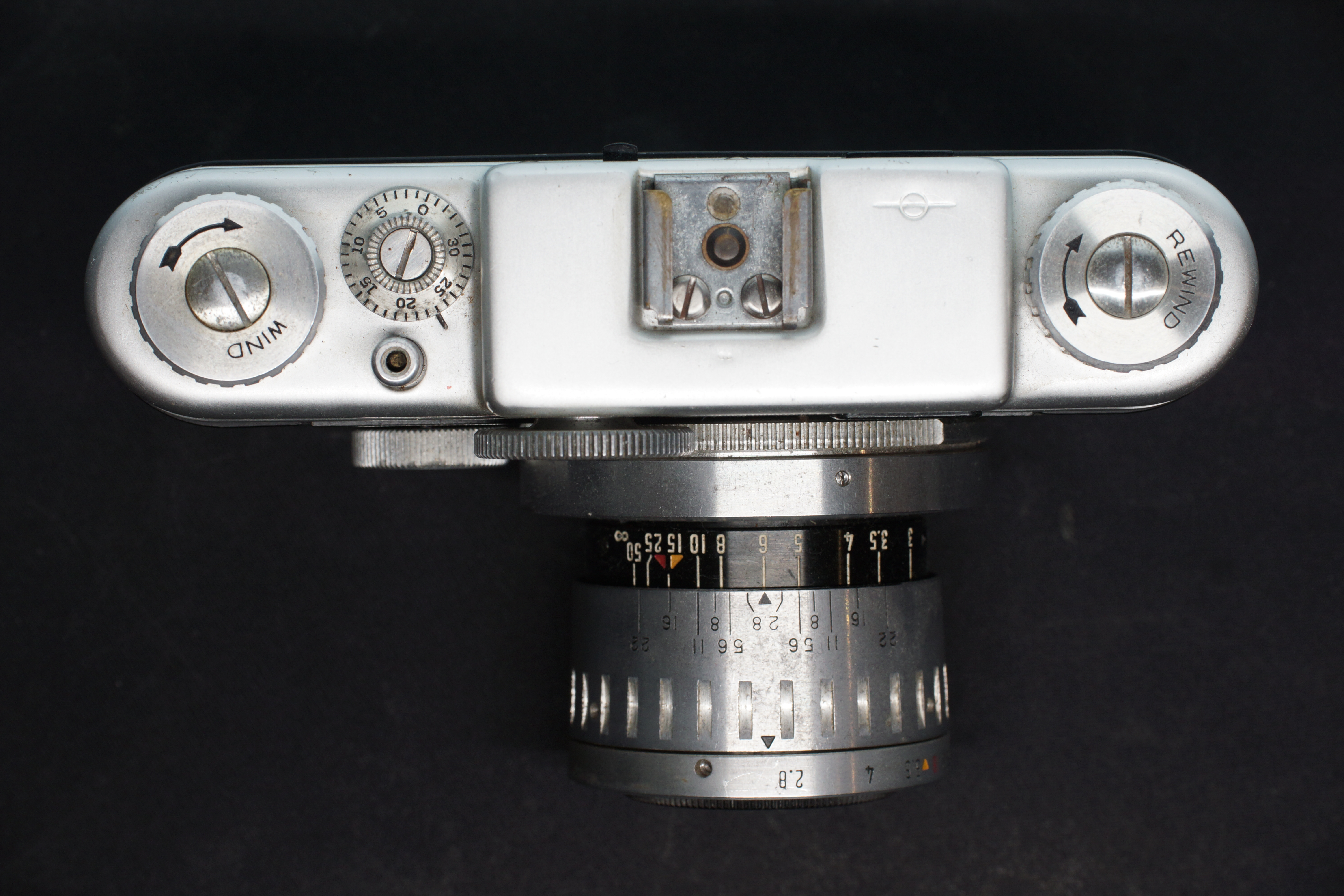
Caption The Argus C-44 in all its glory. You change shutter speeds with the dial on the front of the body and, allegedly, focus by rotating that silver dial just above the lens. The dial also houses the rangefinder window which is neat. Mine is equipped with a stock 50mm f2.8 lens.
Subjective Review
The Argus C-44 is a frankly clunky rangefinder camera with heft suitable for personal defense. The lubricants on the focusing knob of my model were also completely gummed up, making focusing more of a chore than it normally is. It’s also fully manual and has no integrated light meter, leaving me to manually meter with an app on my phone. All of this is to say, the Argus C-44 is absolutely perfect.
This all American bludgeoning weapon, produced in the mid 1950s, has a certain presence to it that grabs people’s attention. It feels solid in the hand, it makes satisfying, chunky sounds, and it still works. While there will be fancier, lighter, and “better” cameras down the line from here in this post, I want to take a second to appreciate the Argus. For $38, this camera is a timeless steal that produces surprisingly sharp images with a ton of character. The Argus has no hype, it has no glamor, and its clunky nature makes it far from an “aesthetic”. It’s a true American work horse: reliable, heavy, and largely forgotten.
But what About the Photos?
Continuing our story where it will oft continue, I took the Argus for a tour around the streets of Boston, armed with a roll of Illford HP5+. I knew very well that shooting my first roll of film through a 70 year old, untested camera had its risks, but I was still hopeful. Along the way I met a nice cat, named Poppy, with their owner in the Fens and traded portraits with my partner, Joy.
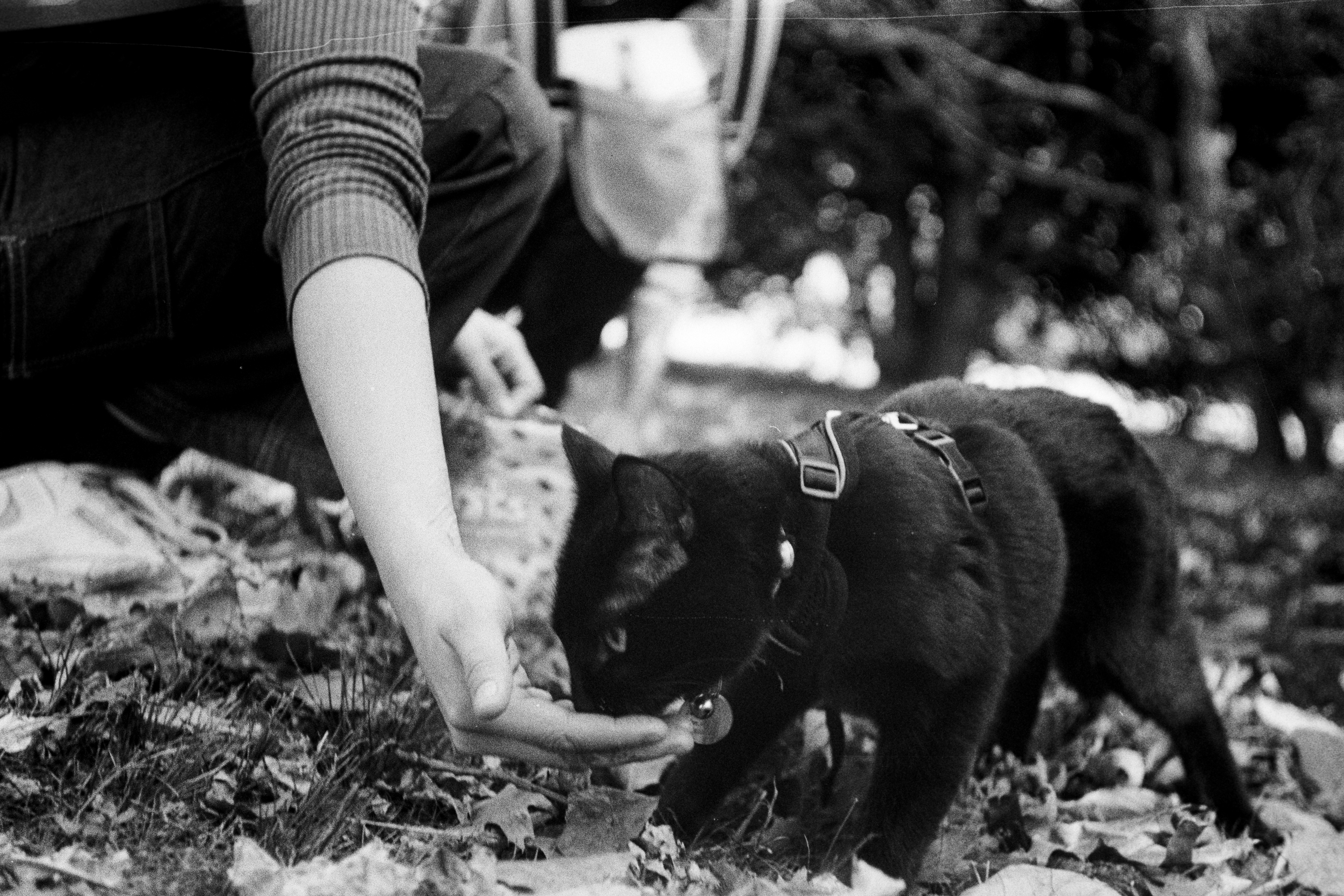

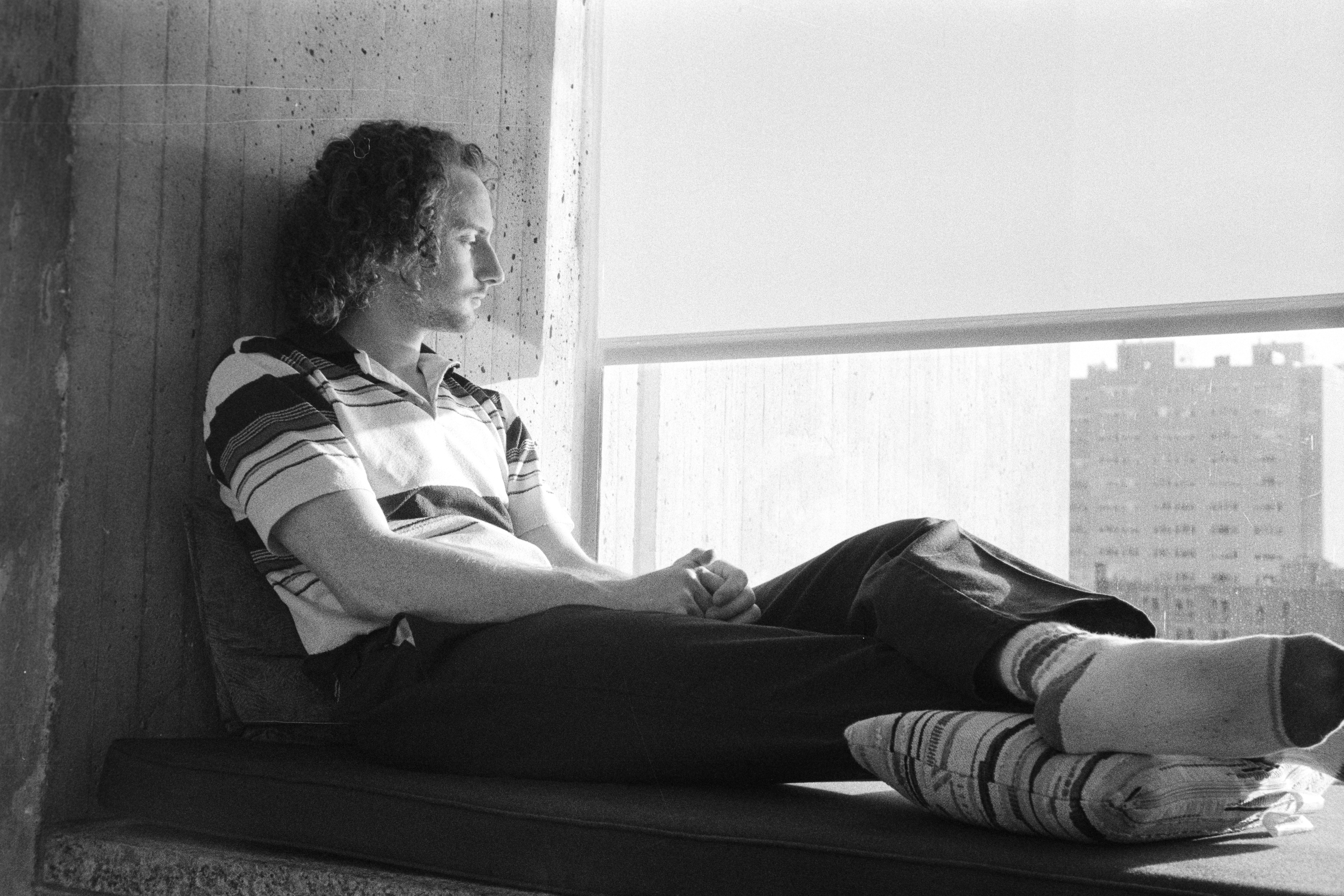
Caption Photos from my first roll of film ever, coming out of the Argus. I’m honestly super happy with them, even now. They’re certainly not museum worthy, but they give me more nostalgia than you’d expect for one year old photos.
After finishing the roll in Vermont, I immediately and deftly ripped the film in half as I attempted to rewind. Another lesson was to be learned that day “always disengage the winder on your camera”, though some may argue this is another instance of the first lesson, as things were forced which refused to move. In my defense, I had never rewound film before and the Argus has a somewhat unique rewinding system, requiring you first lift the winding tab before rewinding. Fortunately I was able to make myself a dark room and loaded the film into a black film tube, so everything came out fine.
After this I shot my first color roll of film, Kodak Gold 200, in Vermont. This roll, despite being my second, ended up containing some of my favorite photos. I think it was something about the season, with those timeless fall colors, along with the nostalgic location which makes this pictures on this roll so special to me.
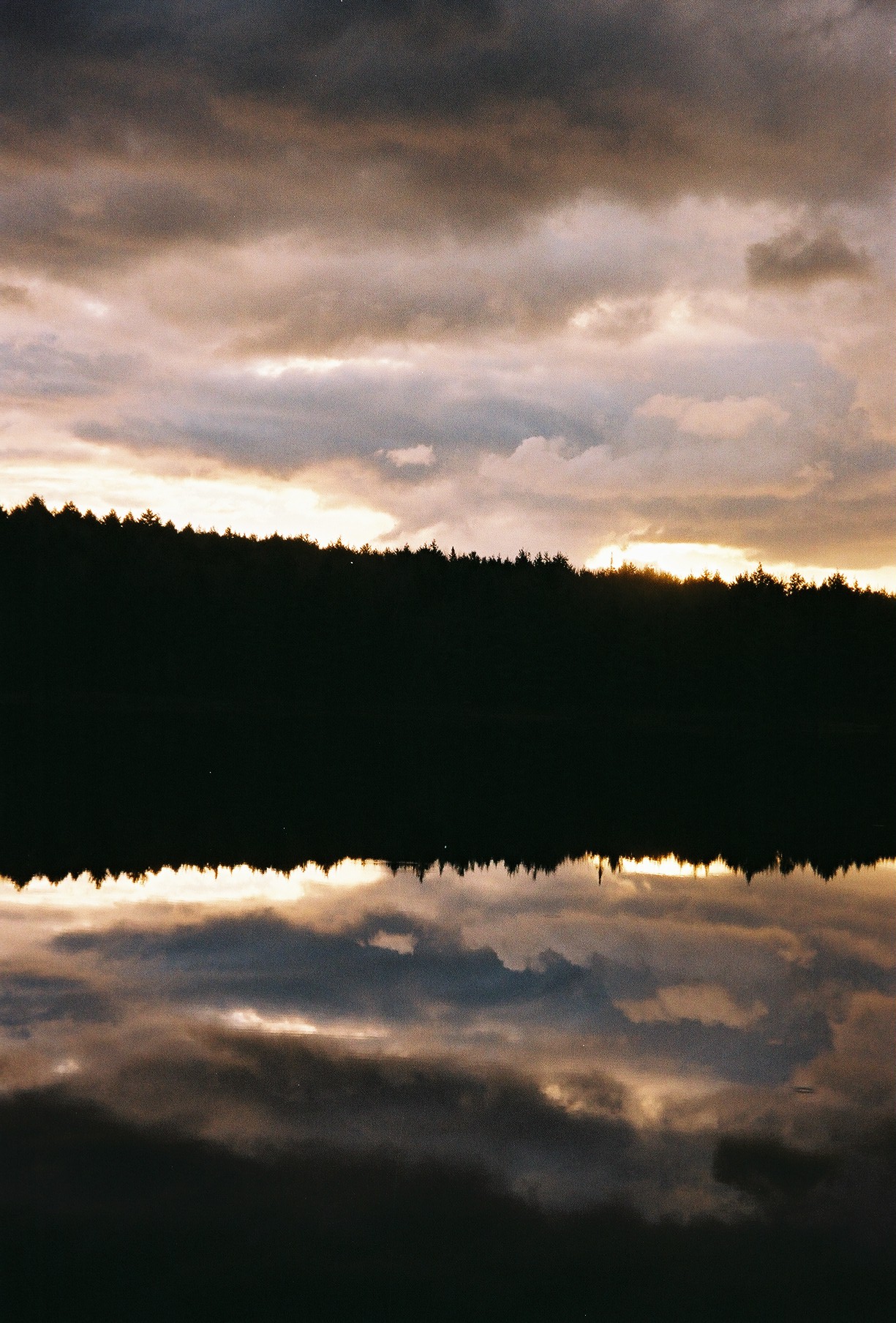


Caption Vermont photos out of the Argus. To this day I think these are some of the better color photos I’ve taken, certainly the best in terms of color rendition. I think I have to give some credit to Catlabs who developed and scanned these with their “Coolscan”, I haven’t quite been able to replicate these rich colors with my own setups yet.
To me these photos prove that the Argus can certainly hold its own despite its age and low cost. The 50mm f2.8 stock lens is surprisingly sharp and renders colors beautifully. I don’t think the Argus is my favorite of all the cameras I’ve shot, but it certainly was the best value. For $38 you can’t really ask for much more in the current film market.
The SLR Era – Minolta X-700
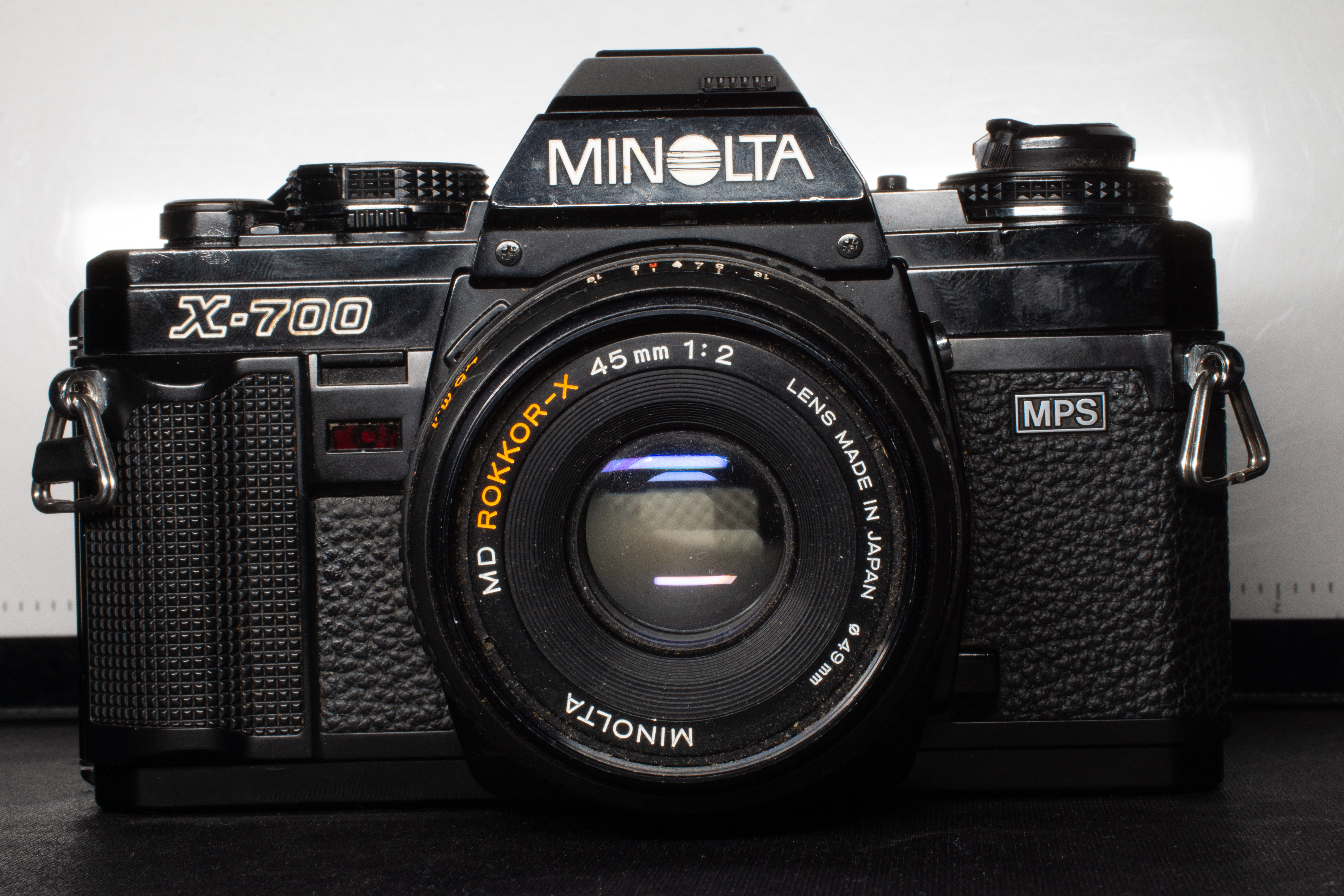
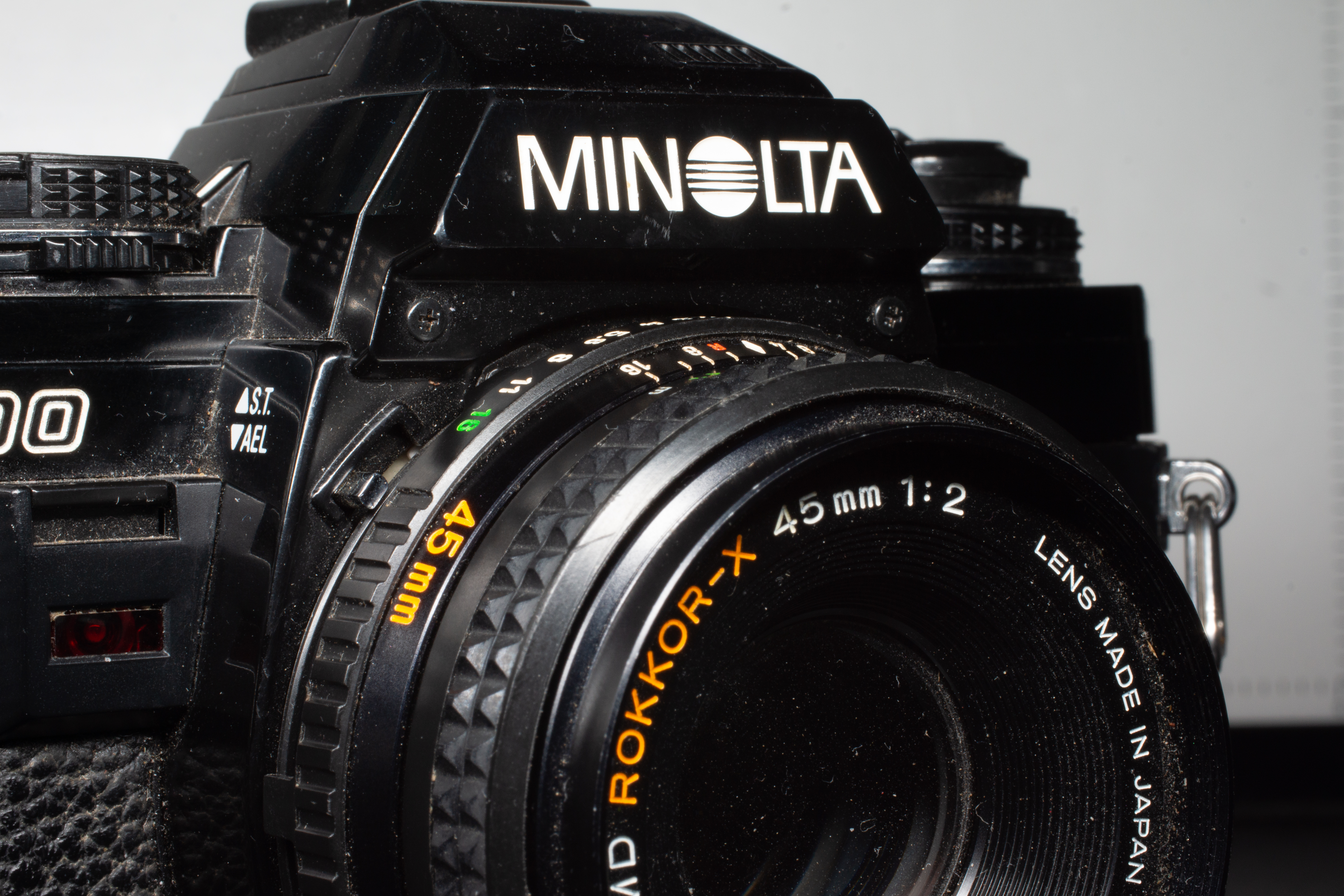
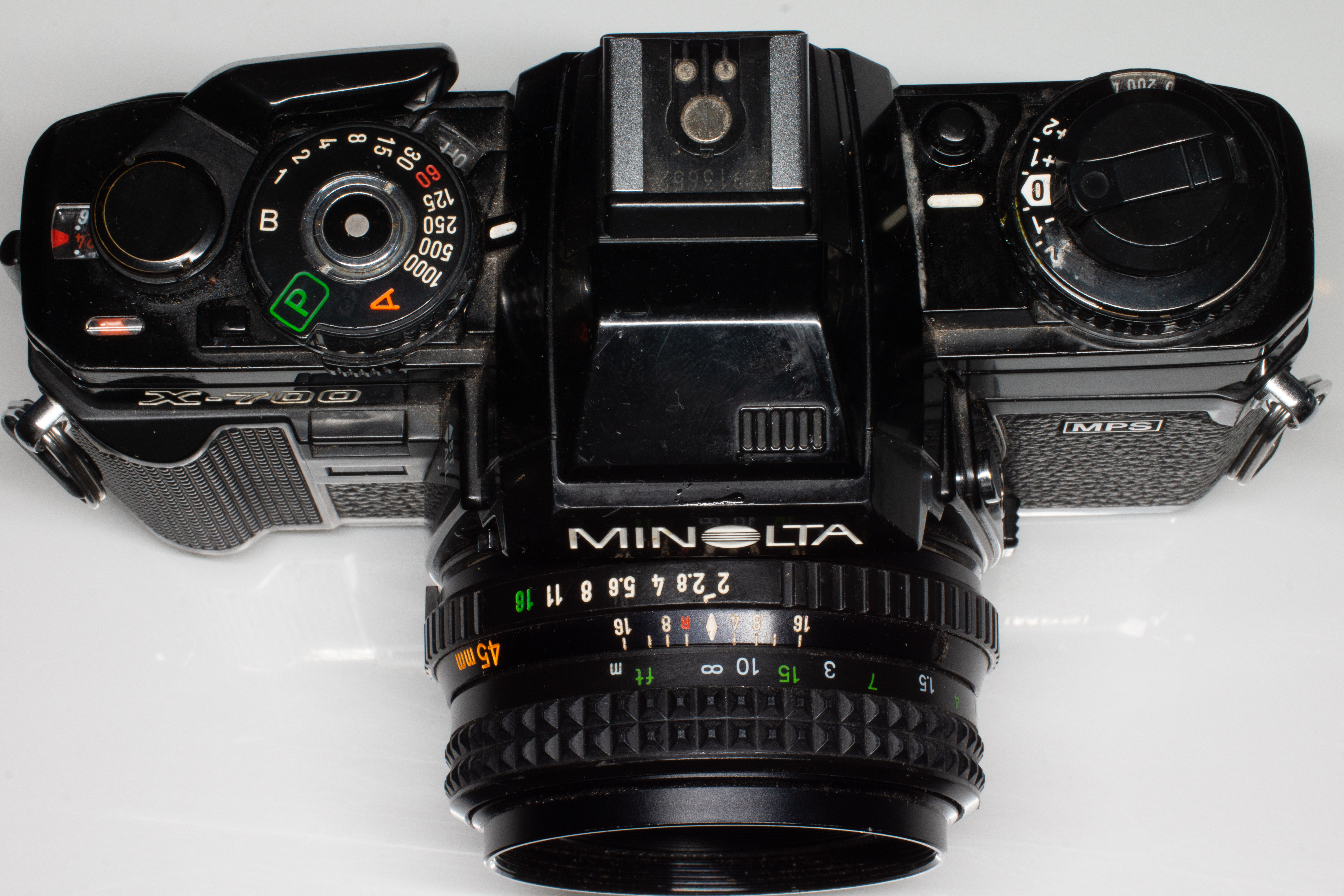
Caption My Minolta X-700 which I’ve since loaned/gifted to Joy. Here it’s equipped with the 45mm f2 lens that I used for the majority of the time. The build quality on this camera is superb, and it’s crammed with features for its time, but it is a bit bulky.
Despite having the Argus, there was still an unresolved problem stuck in the back of my mind. The Minolta XG-1, bought from Garrett, remained inoperable. At first glance, the issue seemed mechanical as the winding arm refused to move past a certain point, but further research indicated an electrical issue. As with many cameras, the Minolta X series of cameras can’t be wound twice in a row, meaning the camera was already ready to fire but its electronic shutter was unable to actuate. After a fresh set of batteries resulted in the same outcome I knew the issue was deeper, the camera’s capacitors, notorious for failing, had failed.
So I did the only reasonable thing, I did some more research, bought some capacitors, and found someone who knew how to solder. Unfortunately this experiment was also a failure, meaning the Minolta met the same fate as the Agfa. I didn’t lose hope, however. I was determined to spend as little money as possible on camera equipment, so I bought some more Minolta XG-1 cameras. After more fiddling and soldering, these too could not be revived. For some reason I had this idea that I could trick the market, I figured the Minolta capacitor repair would be trivial, allowing me to flip $20 broken cameras into $75 ebay sales, but I tripped over my incompetence.
Along the way I realized that the X-G1 models weren’t even the best models anyways, so I turned my attention to the modern and versatile Minolta X-700. Of course, amidst my hubris, I resolved to buy a $30 broken version of the camera assuming I could fix it. This mistake would end up being one of my best, as it lead me to meet my now close friend, Jack Doerner. Putting any man into words is a challenge, but for Jack I think it may be easier to list the skills he doesn’t possess.
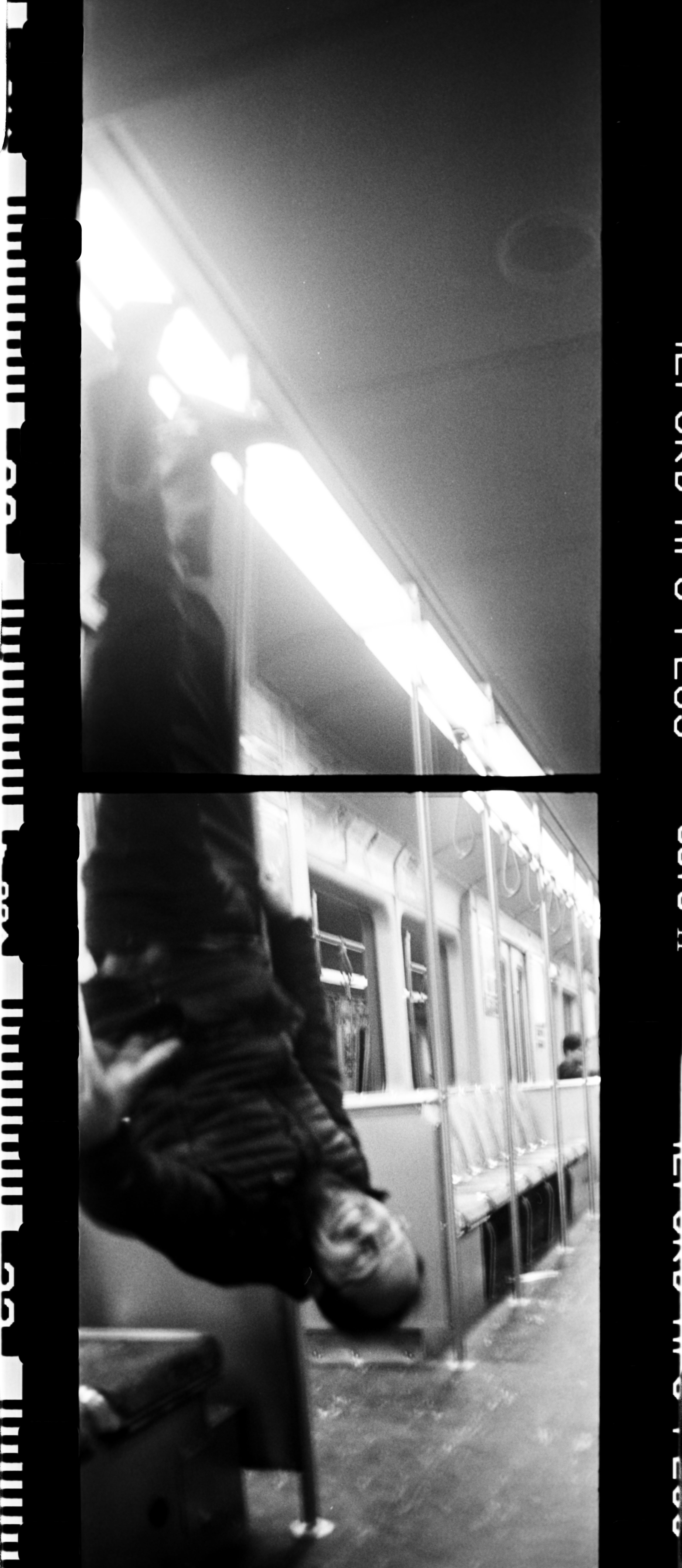
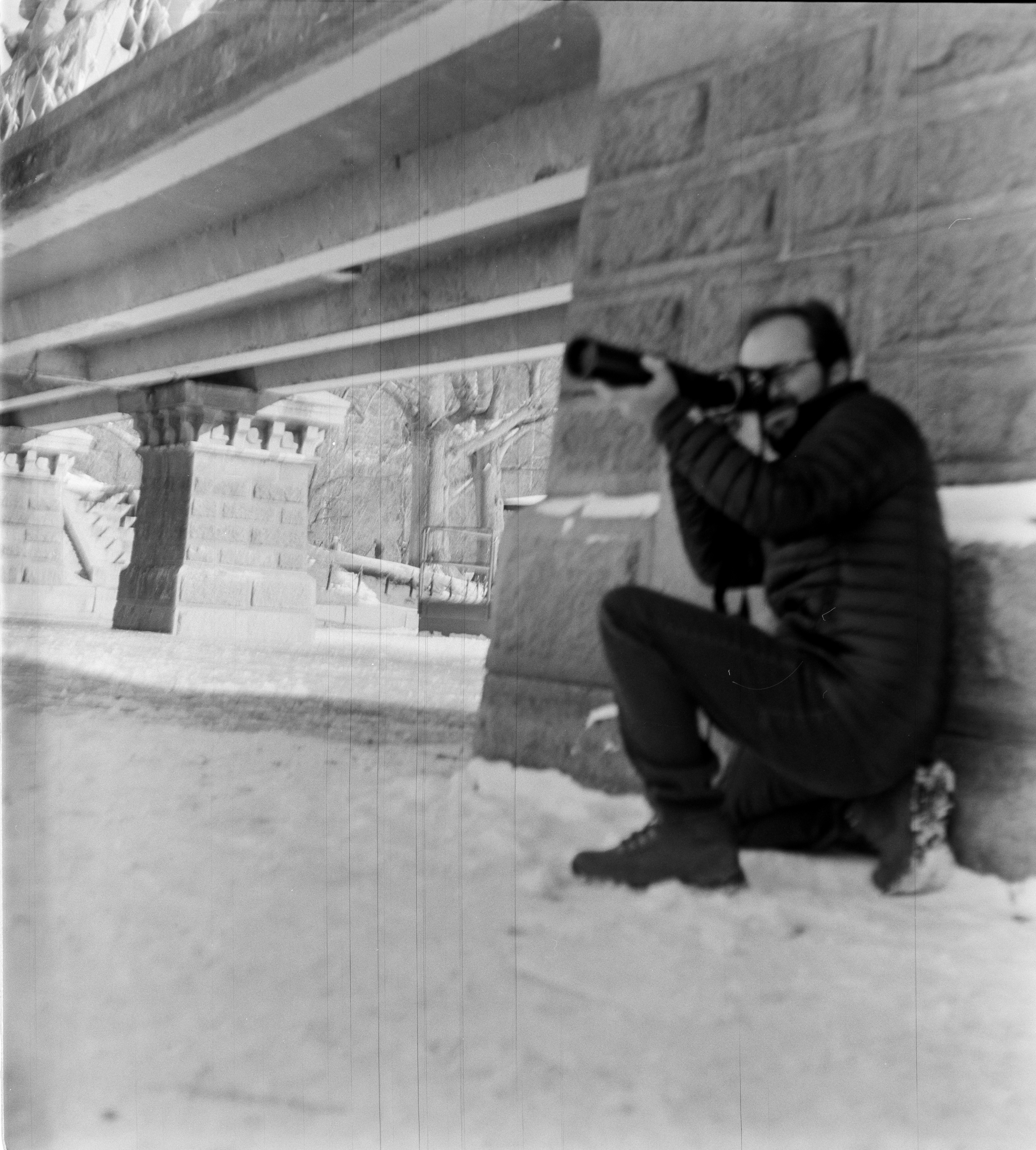
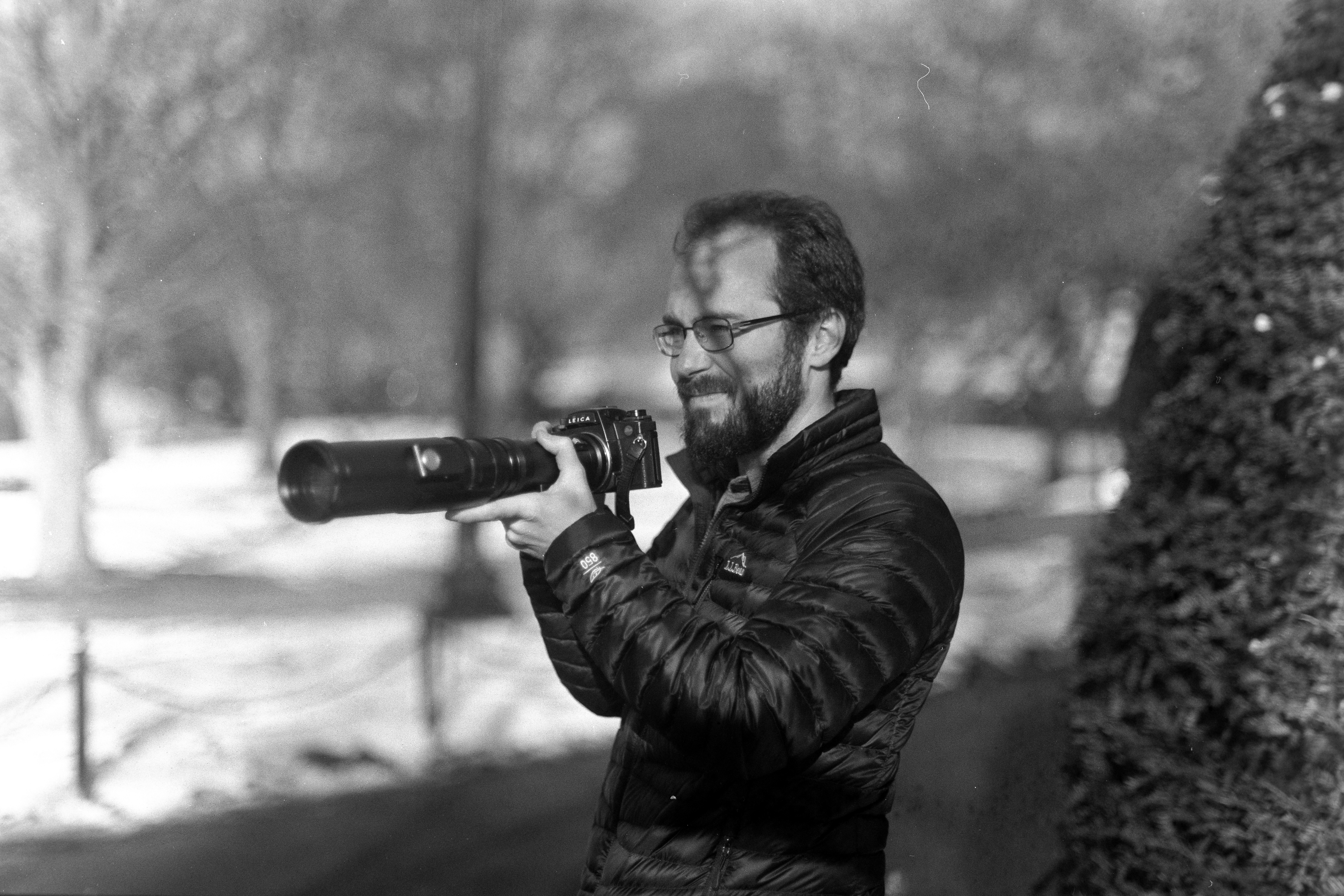
Caption A brief tribute to Jack. All these photos were taken on different cameras, none of which have been introduced yet. The leftmost image is by far the coolest, though. I somehow managed to take two separate shots, one after another, that perfectly aligned themselves like this, while on a moving train. It was completely unintentional and one of the many miracles you can only run into when shooting film.
I spent some long hours with Jack in his south Boston apartment, disassembling the X-700, replacing its two failed capacitors, trying to bring it back to life. We thought replacing the top and bottom capacitors would be sufficient to revive it, but it still wasn’t enough. It turned out that the failed bottom capacitor actually leaked onto the nearby circuitry, corroding it severely. Things did not look good. But Jack, resourceful as ever, resolved to wire over one of the failed sections of the circuit. Still no life. In a last ditch attempt to revive the dead we began digging deeper into the dark arts, eventually stumbling upon an ancient text, printed in bits on the failing tapestry of YouTube in the distant past of 2022. The faceless sage in the manuscript described an occult technique to rewire heart and mind, connecting yellow to yellow in a plane above one’s internal grid. After carefully studying the text and implementing its techniques we finally heard the sound we were waiting so long for. Life.
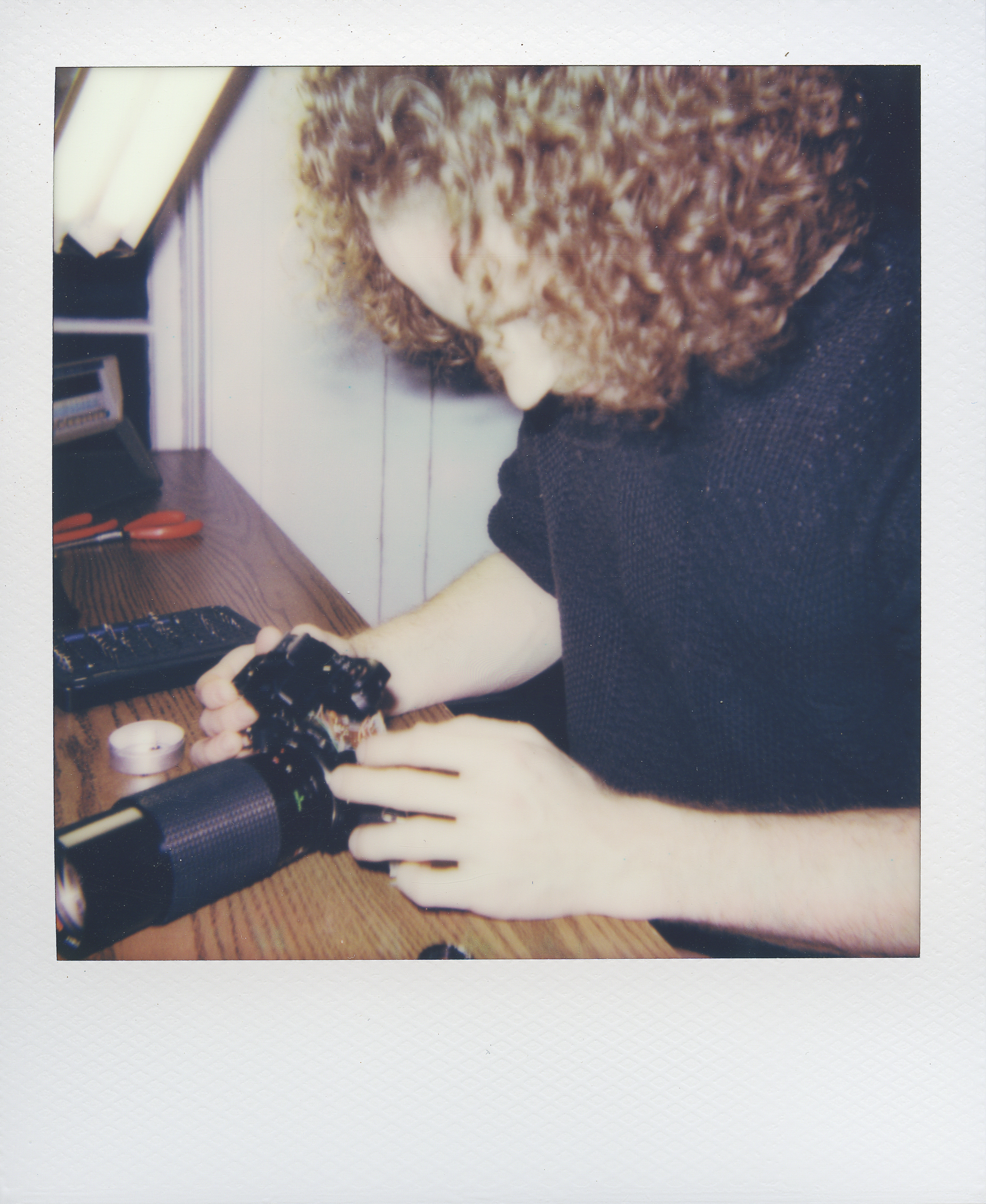
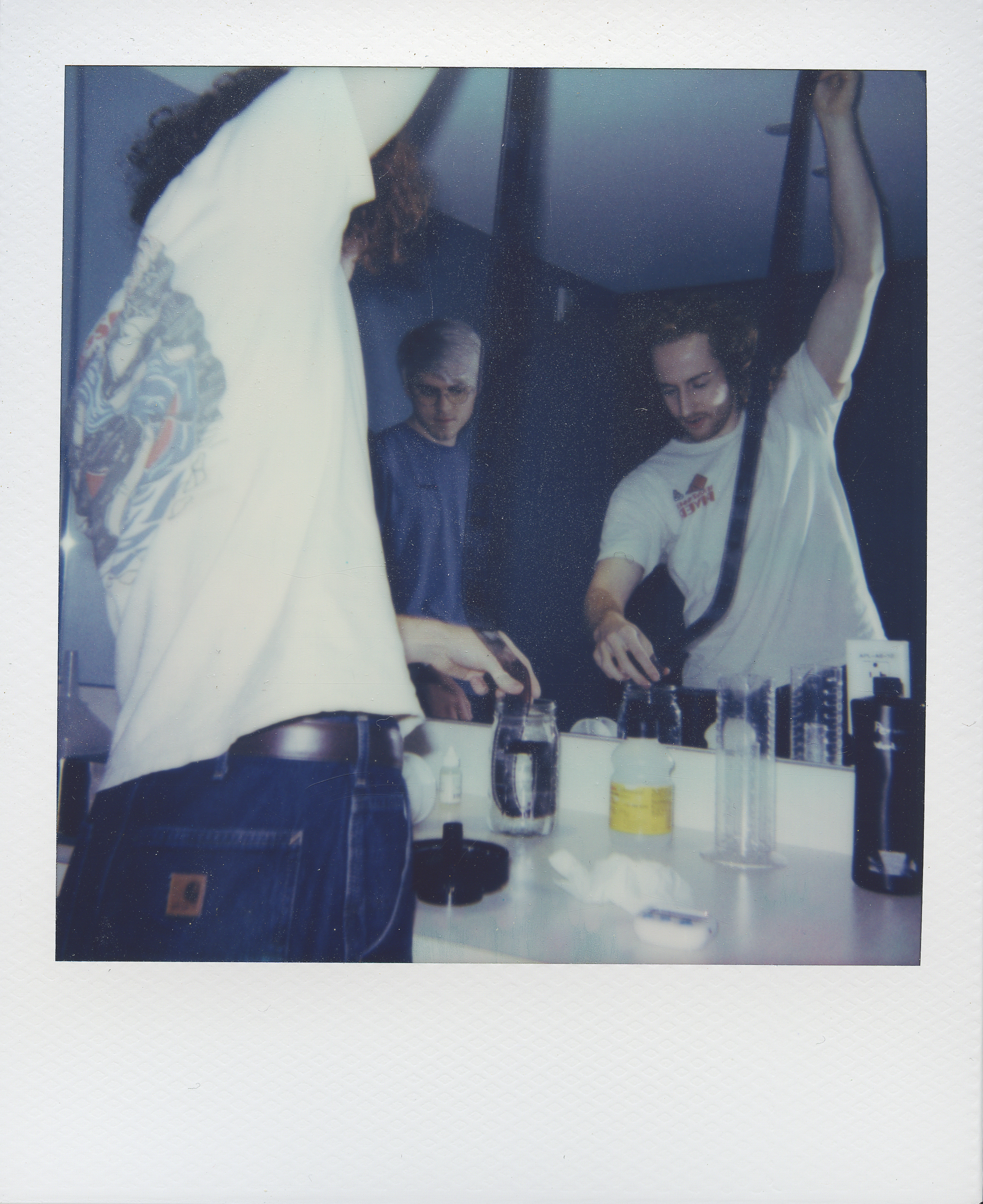
Caption (Left) Either reassembling or disassembling the Minolta X-700 in Jack’s apartment. (Right) Learning to develop black and white film with Jack (not pictured) and Levi. Photos taken on Polaroid by Jack.
Before we get to my opinions on the Minolta, I need to give Jack his proper credit. Not only did he help me fix the Minolta, but he also taught me everything I know about developing and scanning film. He’s great friend that I owe a lot to, not that he’ll ever ask for anything in return. He’s off in Virginia now, but I’m sure we’ll see each other plenty nonetheless.
Subjective Review
Compared to the Argus, the Minolta X-700 is far more modern and, perhaps from a technical perspective, superior in every way. The Single Lens Reflex design of the X-700, standard at its time, was much more familiar to my digital sensibilities. Its built in light meter and aperture priority settings were also great conveniences which made the process of adjusting to film photography much easier. Overall the X-700 is an ideal camera for introducing oneself to film photography without breaking the bank. Today you can find working models for less than $150 and can snag a plethora of cheap and high quality lenses.
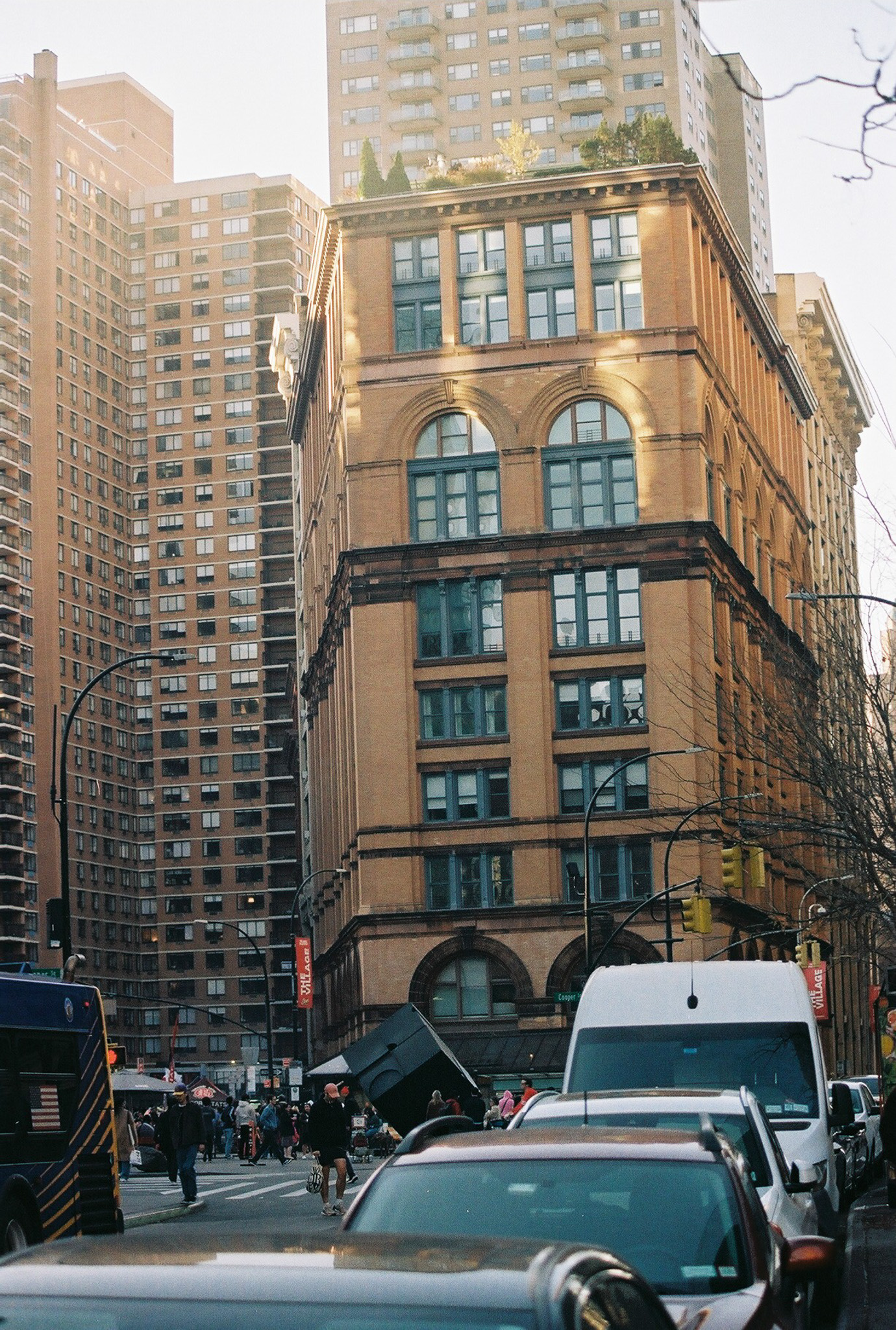

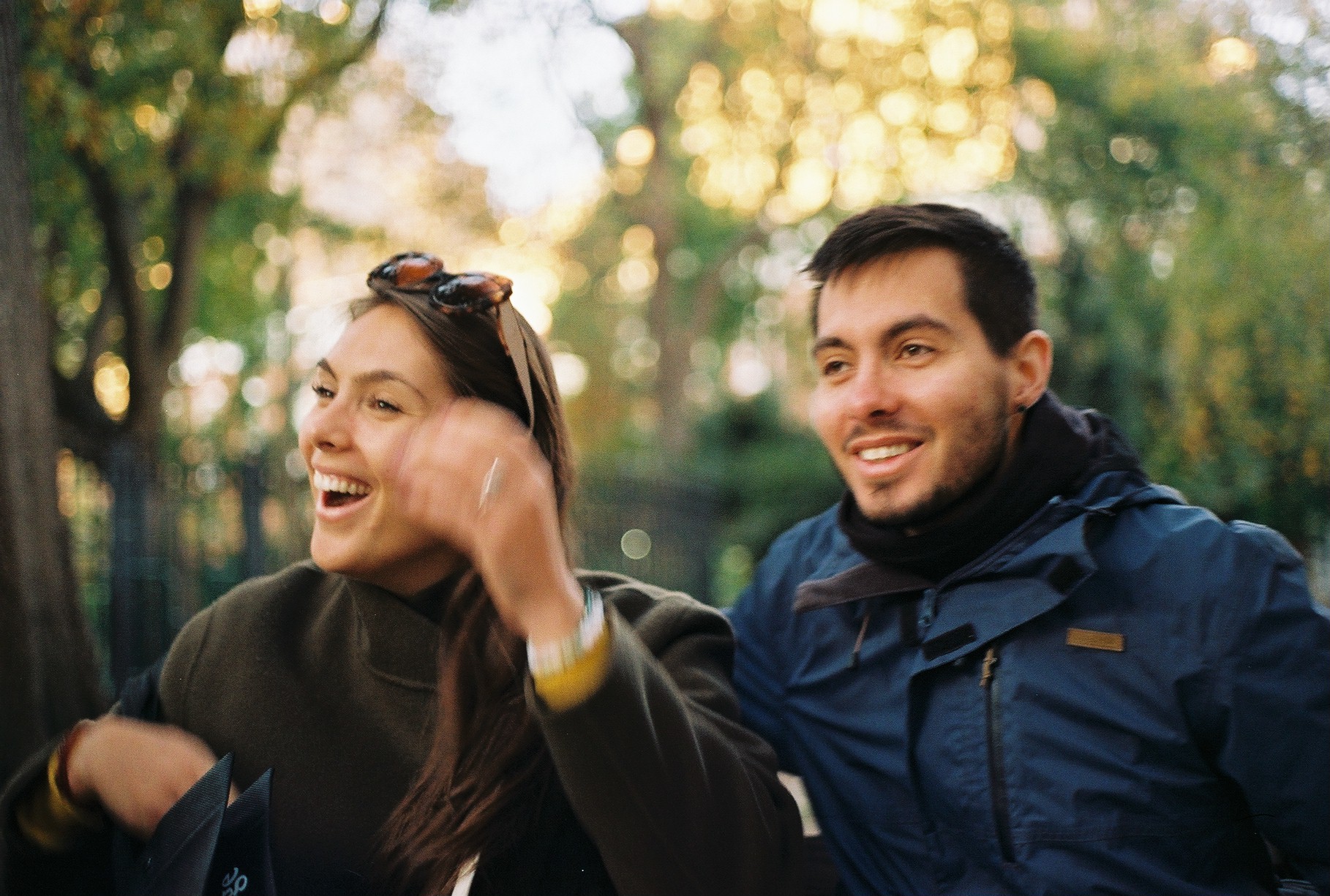
Caption Some early photos from the Minolta. these were processed by Catlabs so they have nice colors. The top right photo was taken from my point of view, of course, while Joy and I were riding a see-saw. I took me a while to remember that after I first saw the scan.
According to my stats, which we’ll get into later, I shot the Minolta X-700 for around 5 months, completing 13 rolls of film and taking about 468 photos. For those math inclined that means an average of around 3 photos per day. This was almost certainly too much, but it allowed me to begin learning the fundamentals of film photography. To this I owe the Minolta X-700 a lot of credit and thanks. It’s reliable, easy to use, and takes pretty good photos, what more can you ask for.
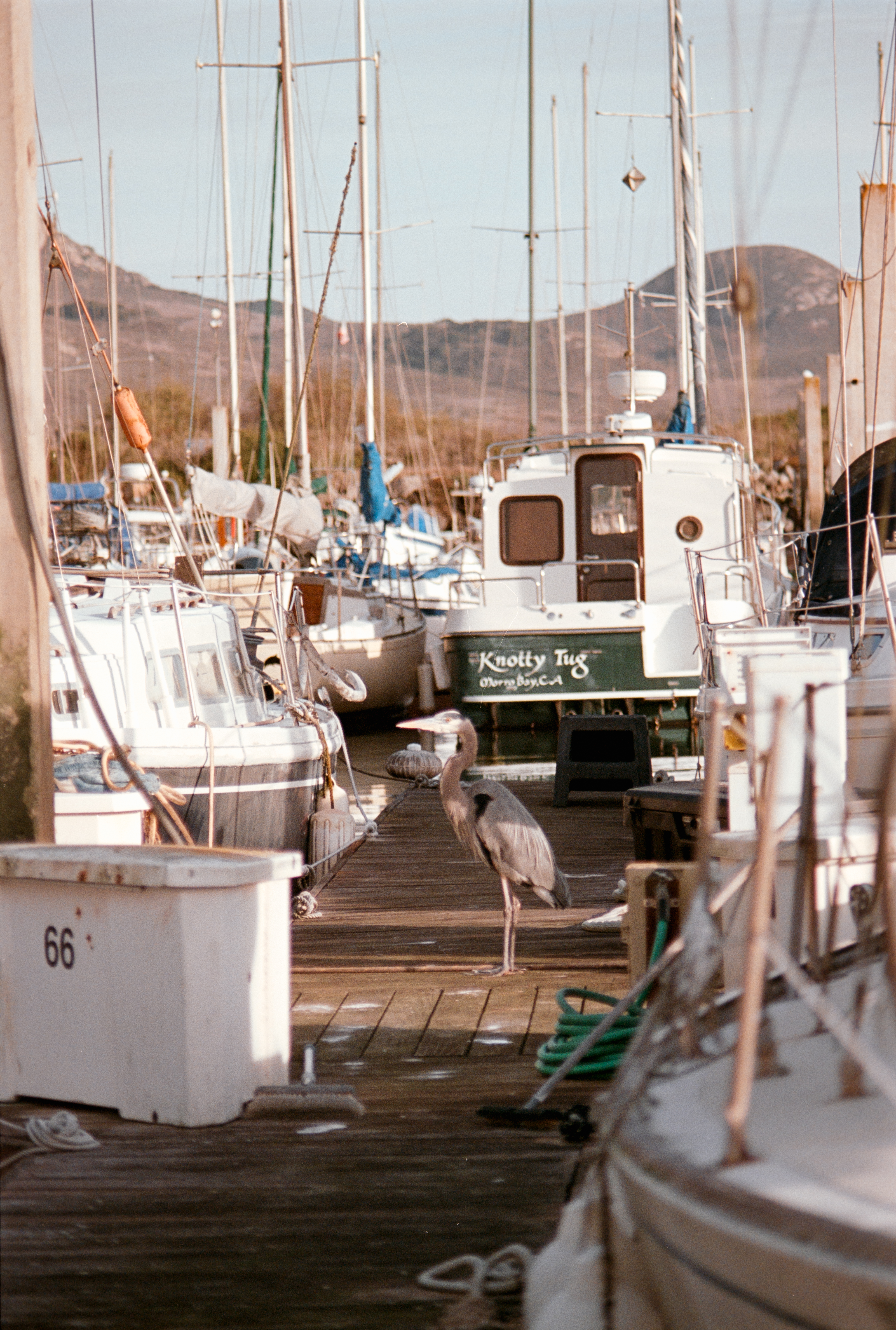
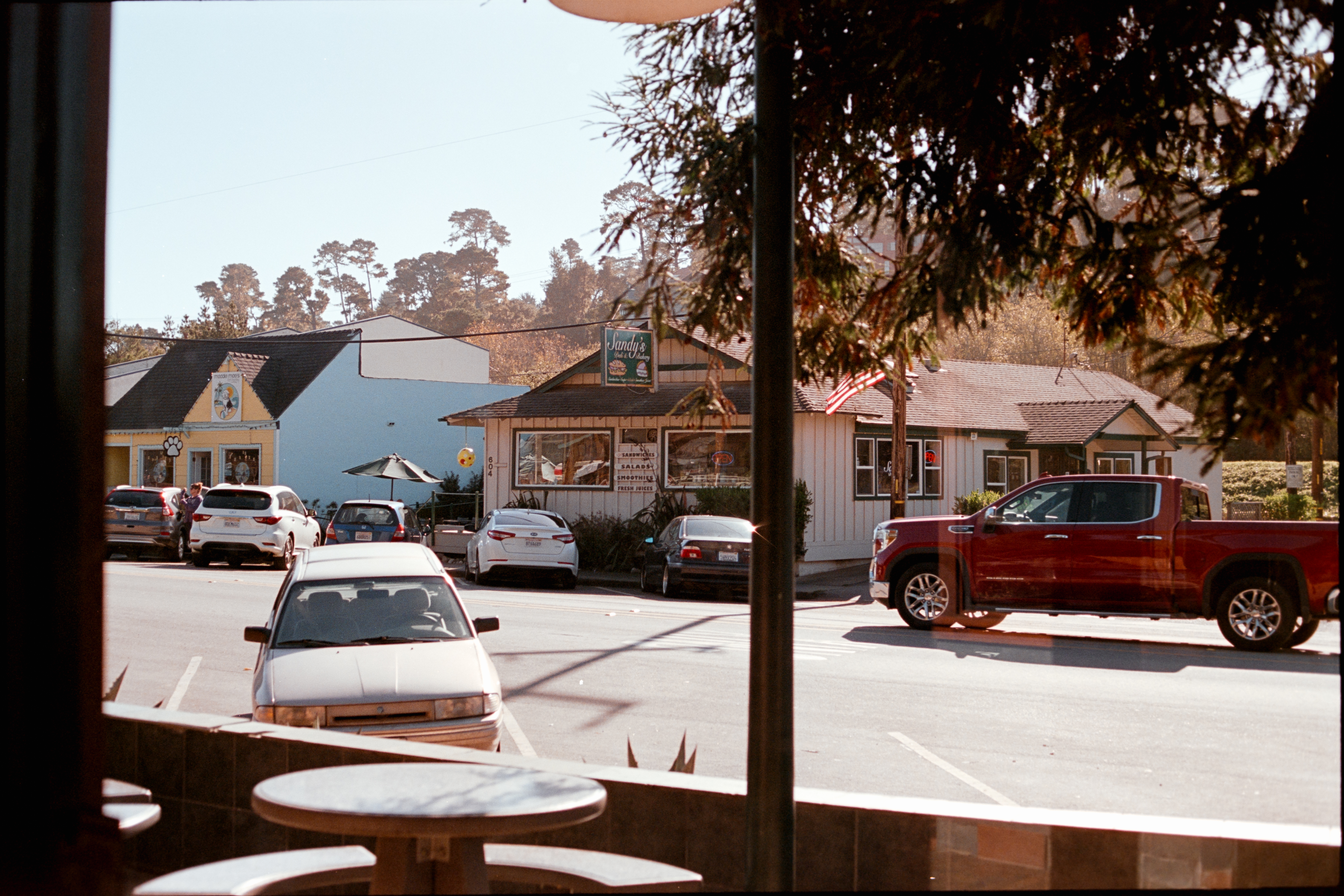
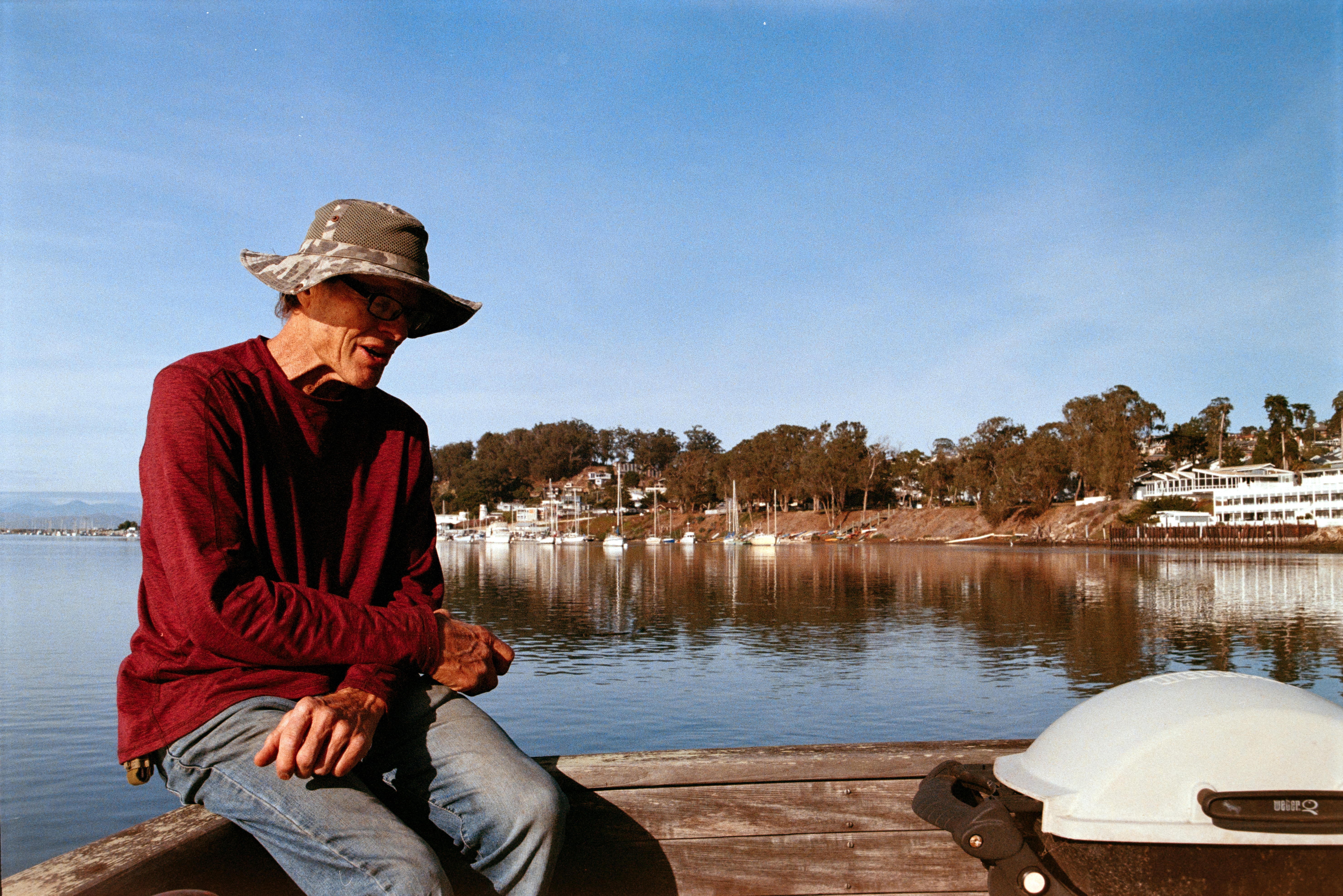
Caption Some of the better photos I took while visiting my Uncle David in California circa December 2024.
Many of the photos I took at this time were in color which, for some reason, never seemed to satisfy me. I don’t believe this was a fault of the X-700, but rather a shortcoming of artistic vision. For the most part I was just taking pictures of what was happening around me (though can a photographer do anything else?), in a sense documenting my own life, but not necessarily pursuing any particular vision. At some point I attempted to resolve this by drinking from the poison chalice of street photography. In this setting I found the X-700 to struggle for many reasons, mostly outside its mechanics. As an SLR, the X-700 is large, distinct, and loud. This makes it impossible to pocket, requiring you to either hold it constantly or use a neck strap. During the winter, with my jacket, scarf, and long hair I found this to be incredibly uncomfortable and counterproductive. Thus, I began to explore smaller alternatives which we will discuss later.
Another shortcoming of the X-700 is it just isn’t unique, it’s simply another SLR in a sea of nearly identical SLR cameras. In many ways this is an unfair criticism, as the Minolta X-700 is crammed with features and has a sleek black design. But to me it started to feel a bit too normal for my liking, as unclear as that judgment is. I never found myself forming a bond with the camera as much as I will later items on this list. The X-700 is dependable and does the job, but it lacks character in my opinion. When shooting film, what really matters more than character?

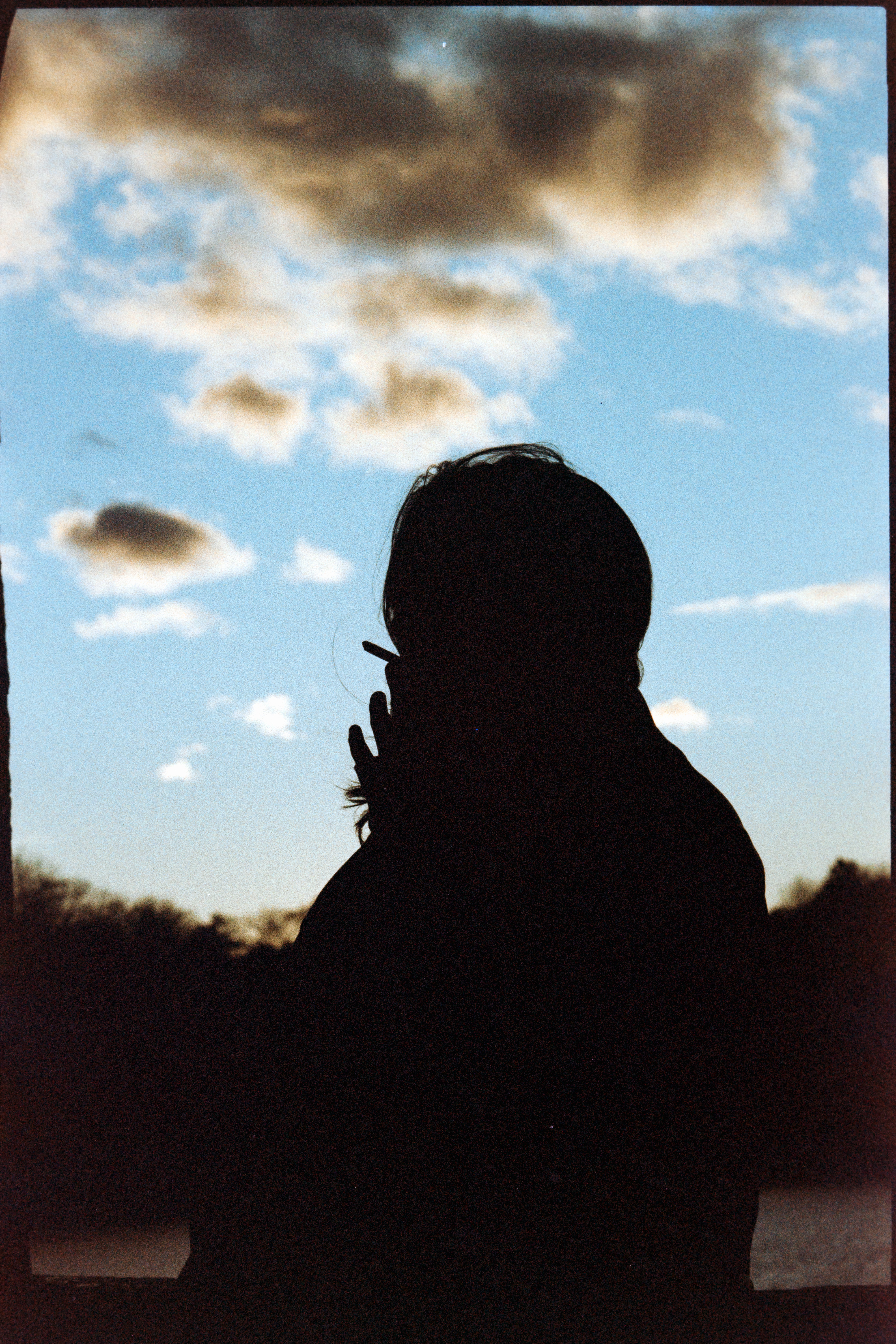
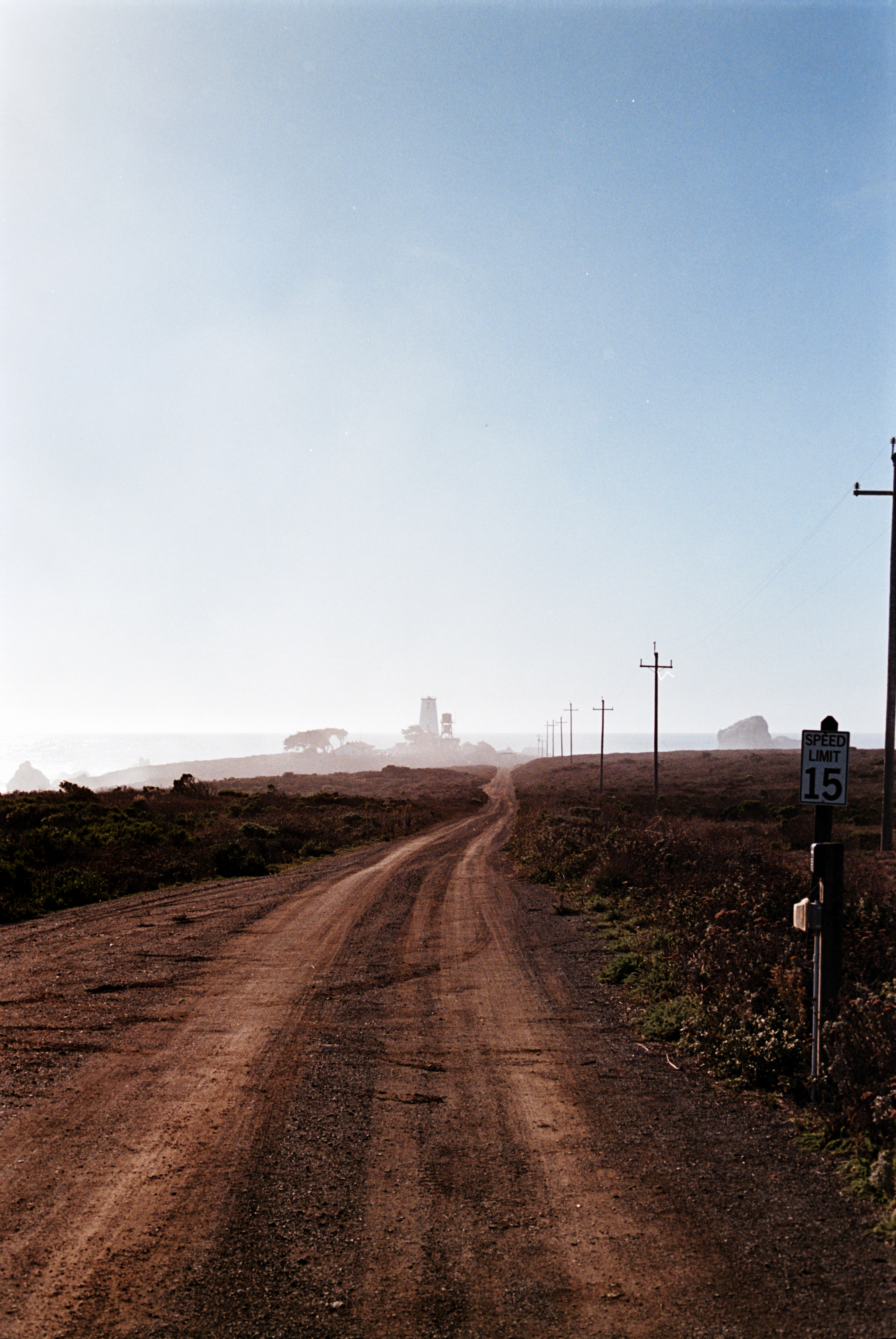
Caption Collection of some sky filled vertical photos to spice things up. I appreciate the rich tones in the dirt of the rightmost photo.
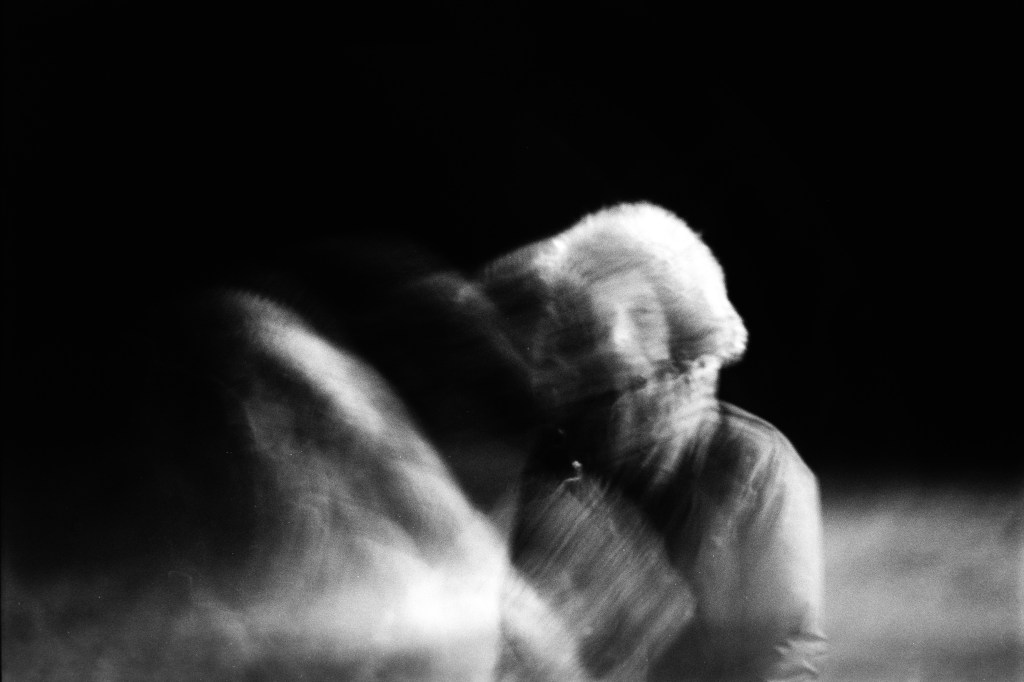
Caption This is still one of my favorite photos and one of many happy mistakes. I had the Minolta on aperture priority while outside in the winter with my mother, who was lit by our home’s flood light. I assumed the exposure would be relatively quick but it ended up being a full 8 second exposure. Part way through the shot I put the camera down, assuming it was done, before swiftly lifting it up again once I realized the shutter was still open. This created the cool effect we see here, making my mom appear ethereal, like she’s made of fog.
Going Big – Ciroflex 6×6
While shooting the Minolta I started catching a serious case of Gear Acquisition Syndrome (GAS) which motivated my looking into medium format options. As a perpetual cheap I of course avoided glamorous options like the Hassleblad c500, Fuji GWIII, or Pentax 6×7, instead settling upon Mamiya 645 as a cheap introduction to medium format film. Before getting into the Mamiya though, and remaining chronological, we have to take a quick detour to discuss the boxy and beaten Ciroflex 6×6. This graceful rectangle was gifted to my by Jack who had bought it from flea market for $5.
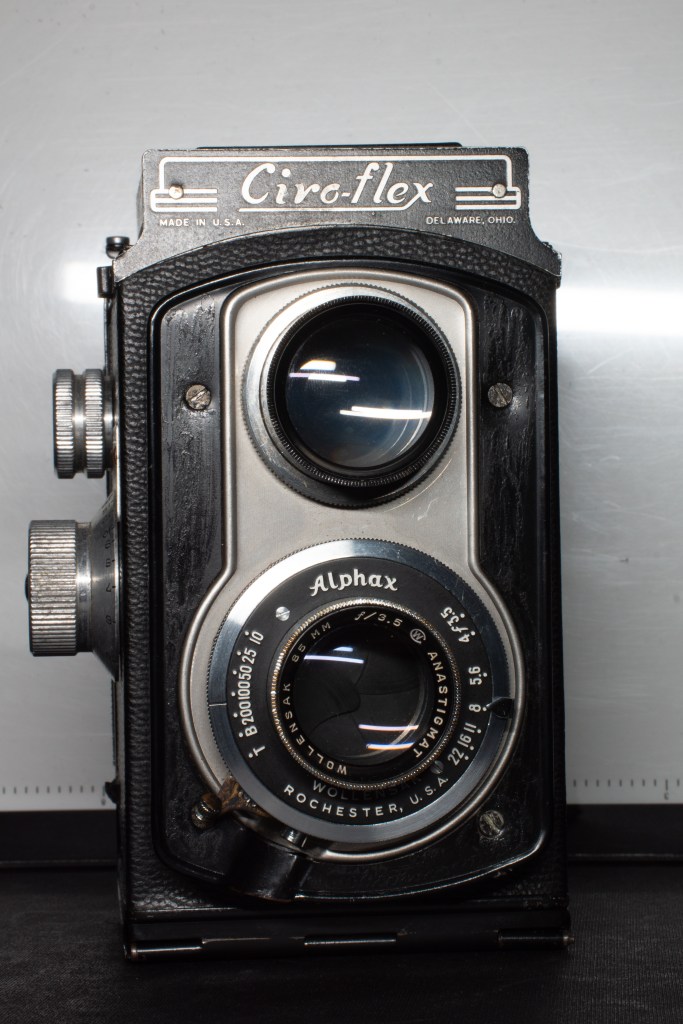
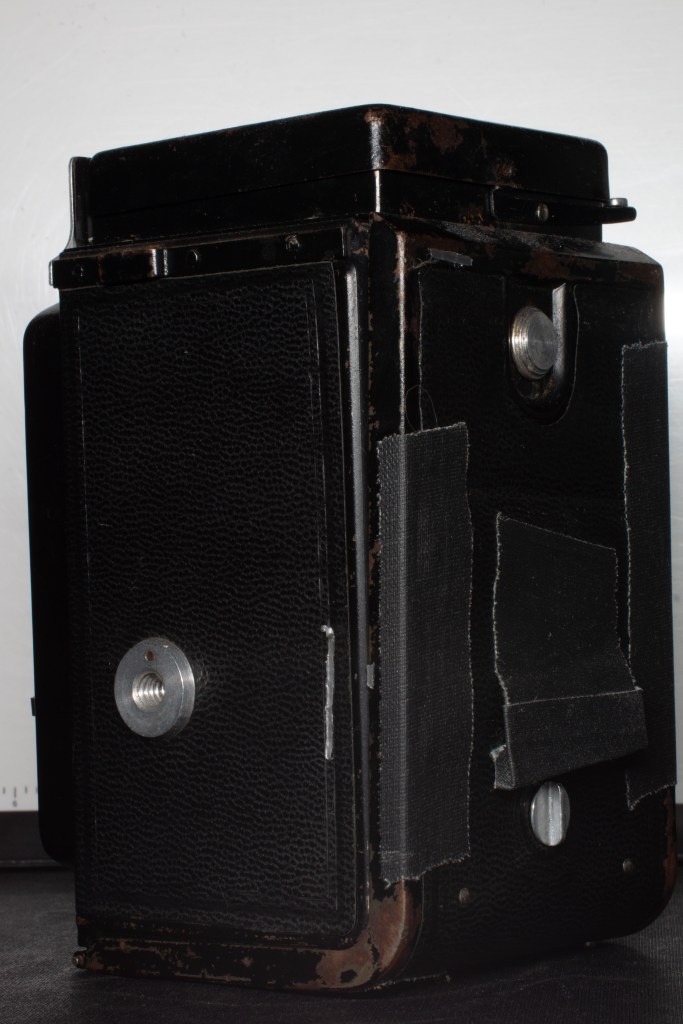
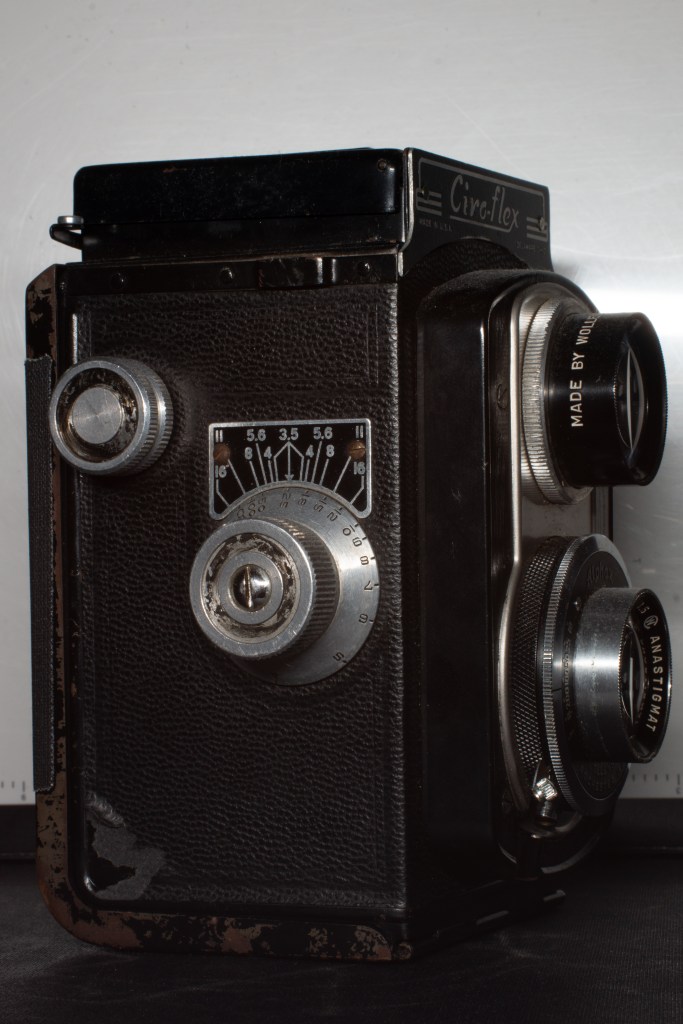
Caption The Ciroflex doesn’t pretend to be beautiful, it wears its rusted corners, taped edges, and bent framing with pride.
Subjective Review
At $5, the Ciroflex is in extremely rough shape externally. The leather is barely holding itself together and the entire camera body is bent like it was crushed at some point. While cosmetics don’t matter much, in this case the damage is severe enough to cause light leaks. This means I have to seal the camera with tape every time I load it, which makes its usage a bit more endearing. Fortunately, the Ciroflex is, as far as I can tell, extremely mechanically simple and, therefore, robust. The shutter still works fine, though it does get stuck sometimes, and the aperture and shutter speeds seem accurate enough to get well exposed photos. That being said, the worm gear used for focusing does often get disengaged, which makes focusing impossible. After this happens you just focus on subjects at infinity and narrow the aperture. It also has a tendency to scrape up my negatives which I have tried and failed to prevent many times.
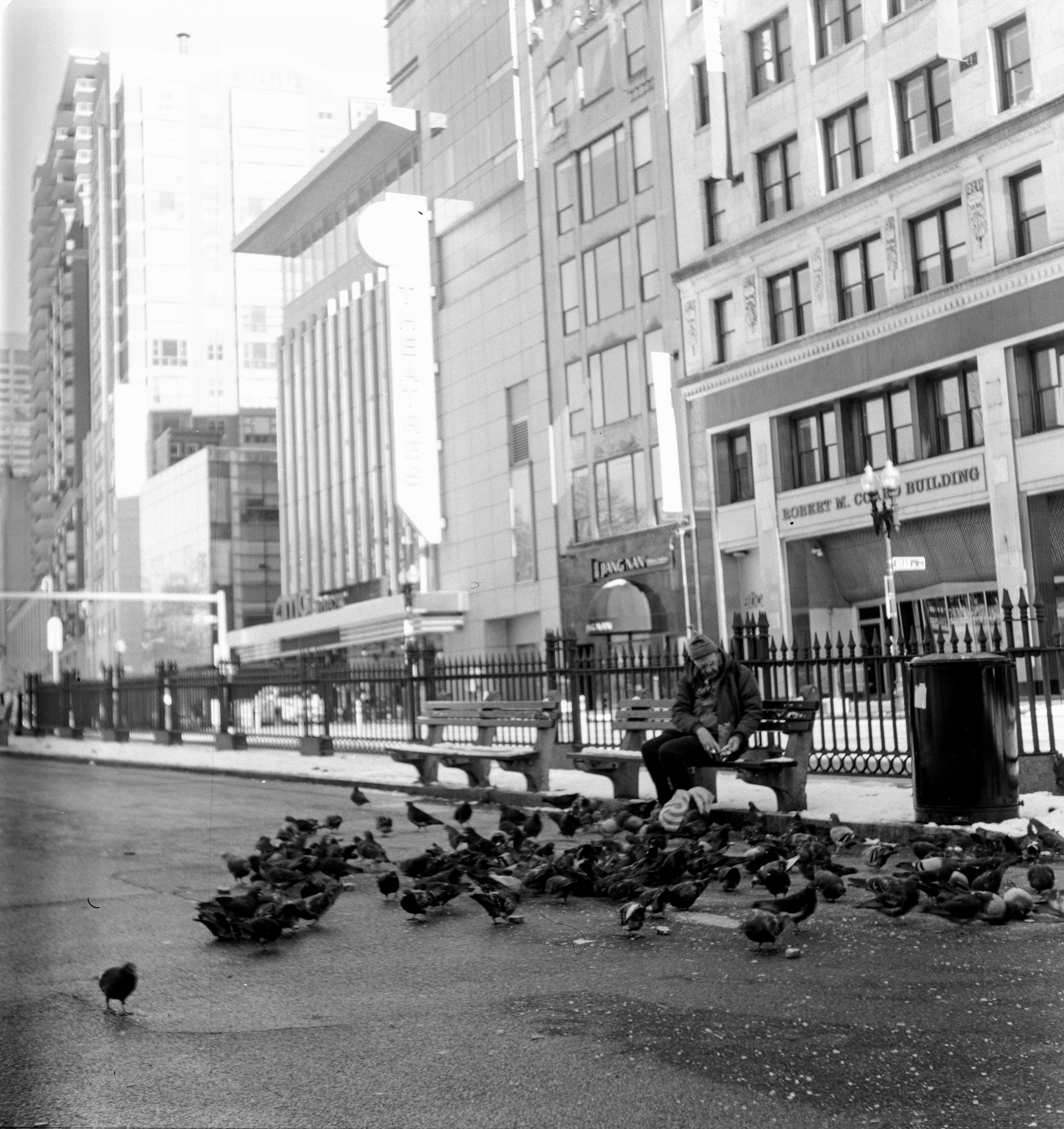
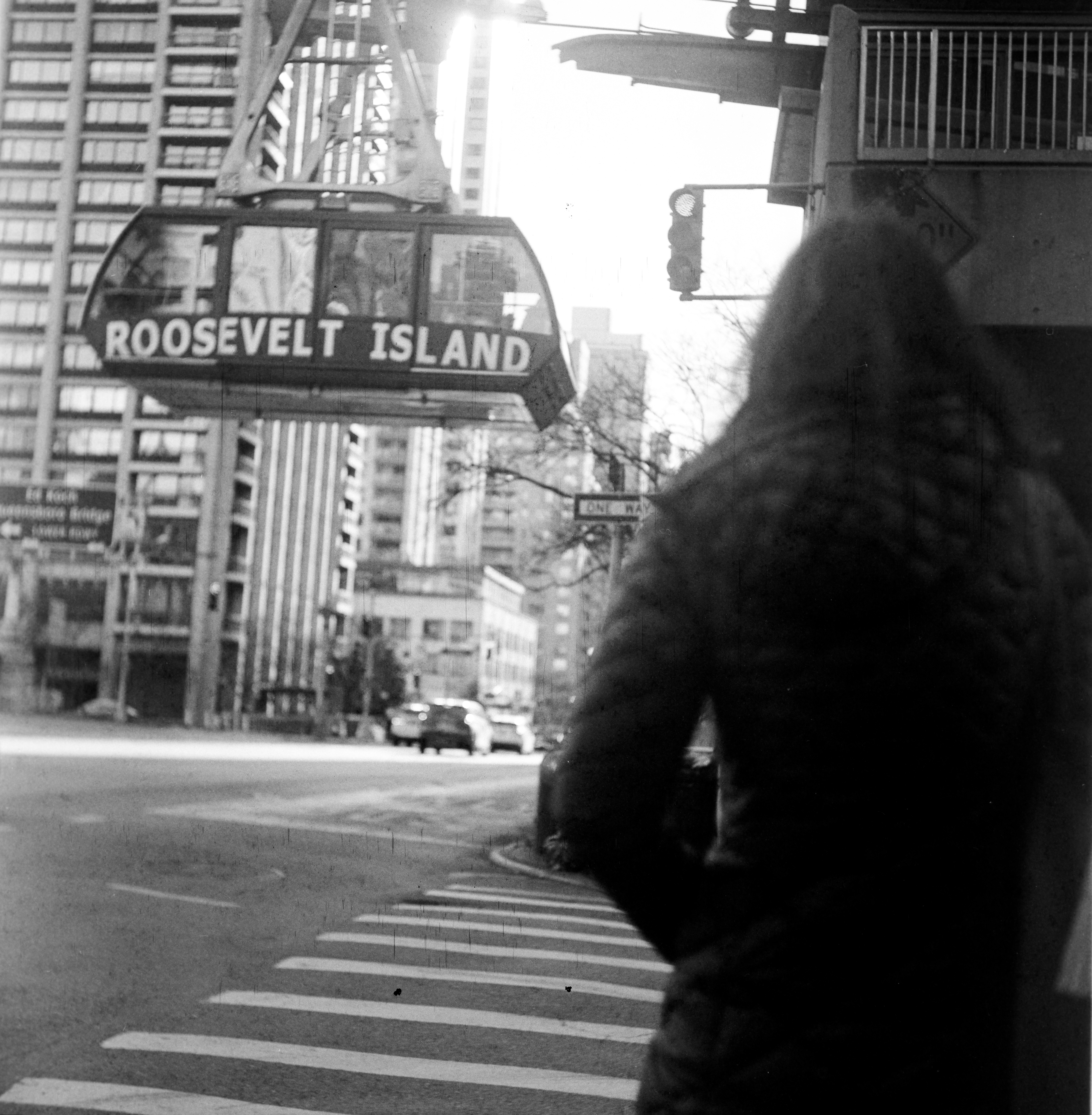
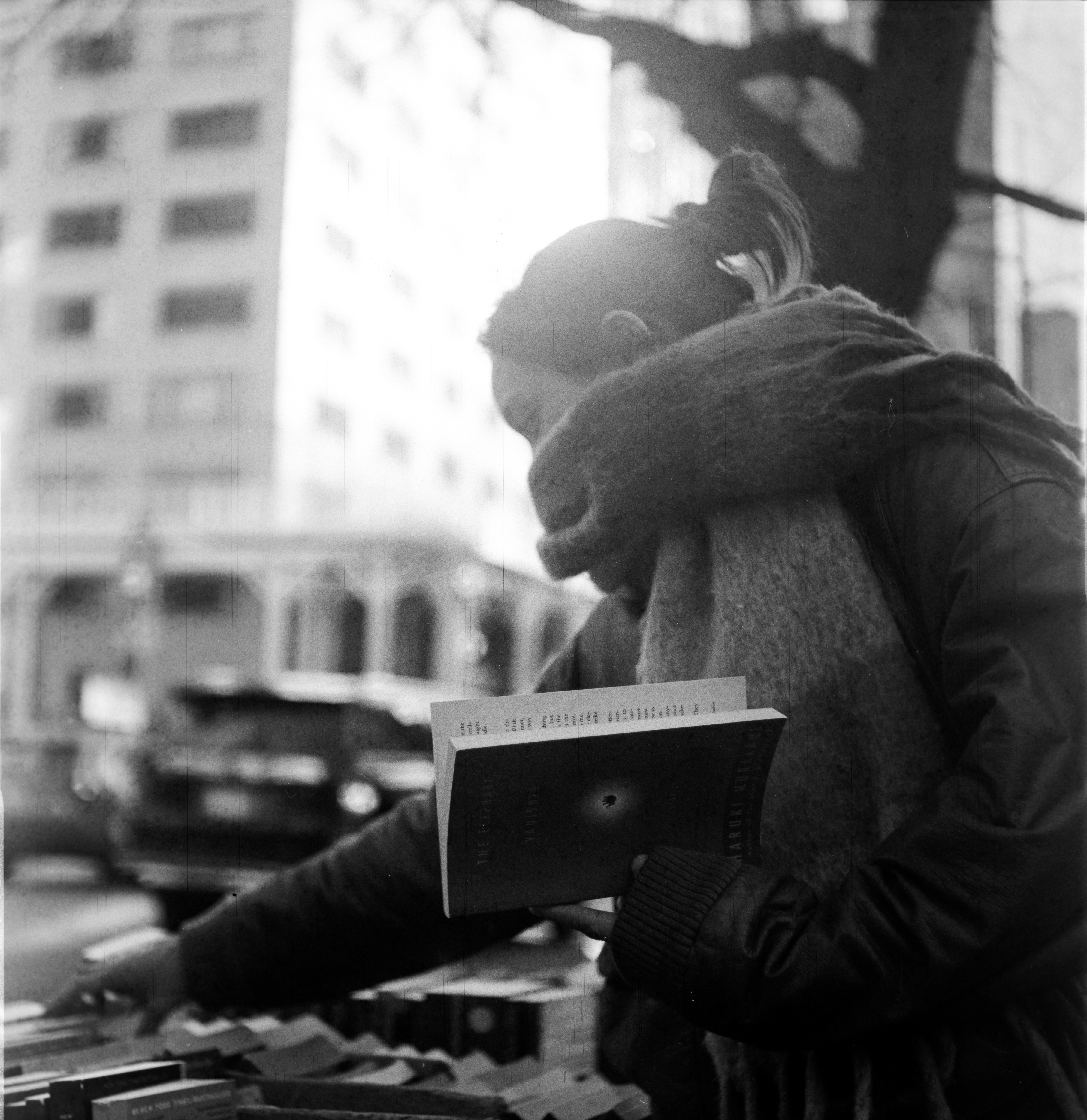

Caption The Ciroflex takes its flaws and runs with them. Nearly every photo is graced by its iconic vertical scratches and consistent ability to remain out of focus. This gives every photo a bit of charm that maybe only feels special to me, but I hope you can see it too. The bottom, largest photo, is one of my favorites, the scene is just so absurd.
Given all these characteristics, you’re never disappointed by shots that come out of the Ciroflex. Getting anything feels like a small miracle and, honestly, sometimes the photos come out really well. The glass is in pretty decent shape so if nothing goes wrong, which it often will, you can get surprisingly great results. Using the Ciroflex is also a lot of fun as someone new to Twin Lens Reflex cameras. There’s something freeing about departing the traditional, look-through viewfinder and embracing a waist-level viewfinder. You can more easily disengage yourself from the camera while shooting waist-level, allowing for more seamless engagement back into your environment. Also, when using a neck strap, you don’t even have to move the camera to prepare for a shot, it’s already in position. This makes the camera feel more discrete as well, since you no longer have to enter the easily identifiable “I’m taking a picture” squinting stance. The main downside with a traditional TLR waist level finder is that your view is horizontally mirrored, which makes framing your shot much trickier.
As my second American camera, the Ciroflex shares some of the charm of the Argus. It’s shamelessly boxy and ugly, but this makes it stand out. It’s also dirt cheap and frankly takes decent pictures. Overall the Ciroflex is a great option if you’re looking to mess around with 6×6 photography, but don’t wanna break the bank. I recommend going in with an open mind and enjoying the ensuing disaster.
Going Even Bigger – Mamiya 645
As previously mentioned, at some point I got the idea to try medium format photography, deciding upon the Mamiya 645 as a good budget option. Compared to the Ciroflex, the Mamiya technically takes smaller 6×4.5cm images, however in terms of build it is certainly larger and heavier. The Ciroflex is actually fairly light for its size, weighing in at only 942g with film, a result of it’s simple and thin metal frame. The Mamiya, on the other hand, is far more complex and weighs a hefty 1976g with a lens+film (1420g without a lens). The large viewfinder attachment probably doesn’t help with this.
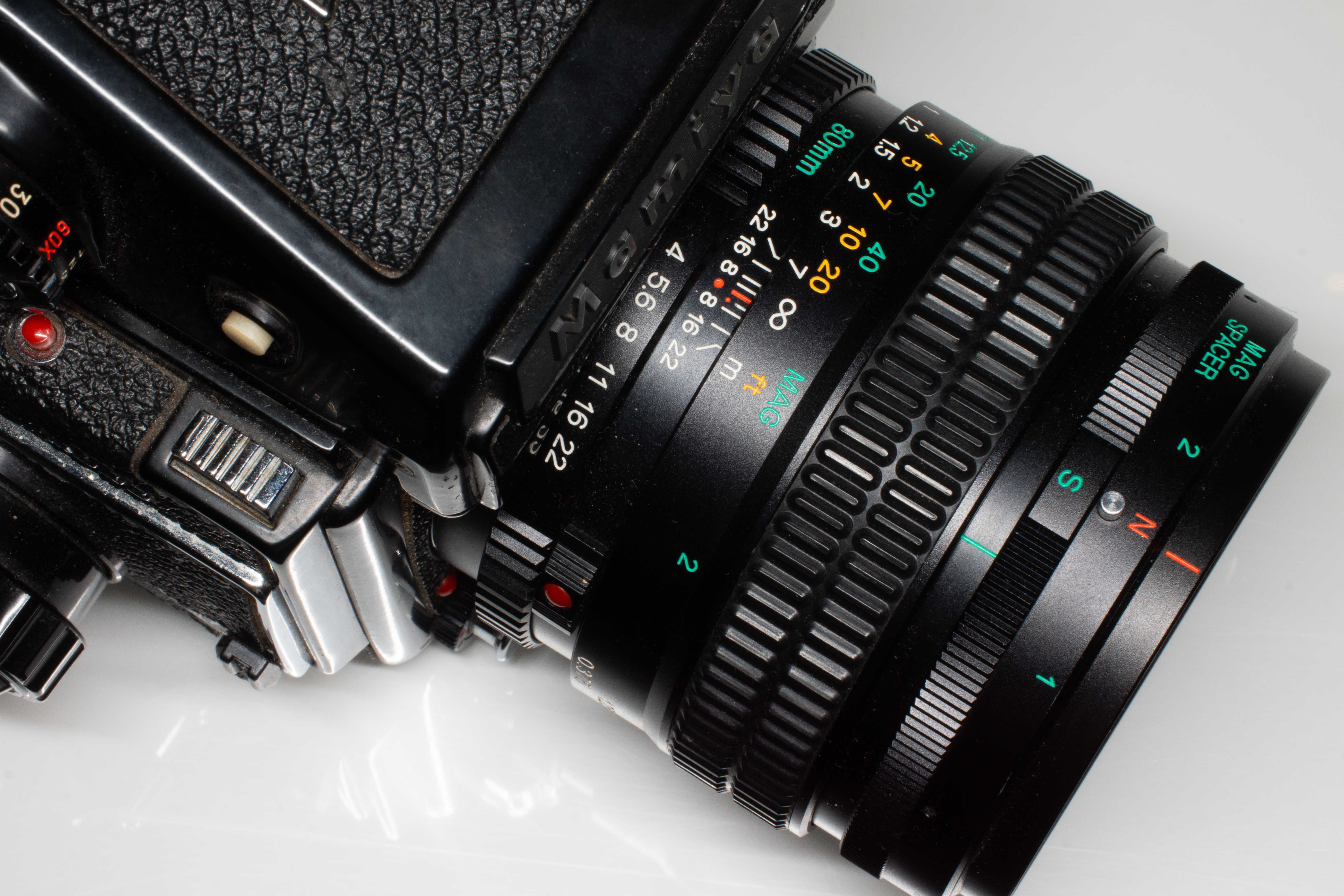
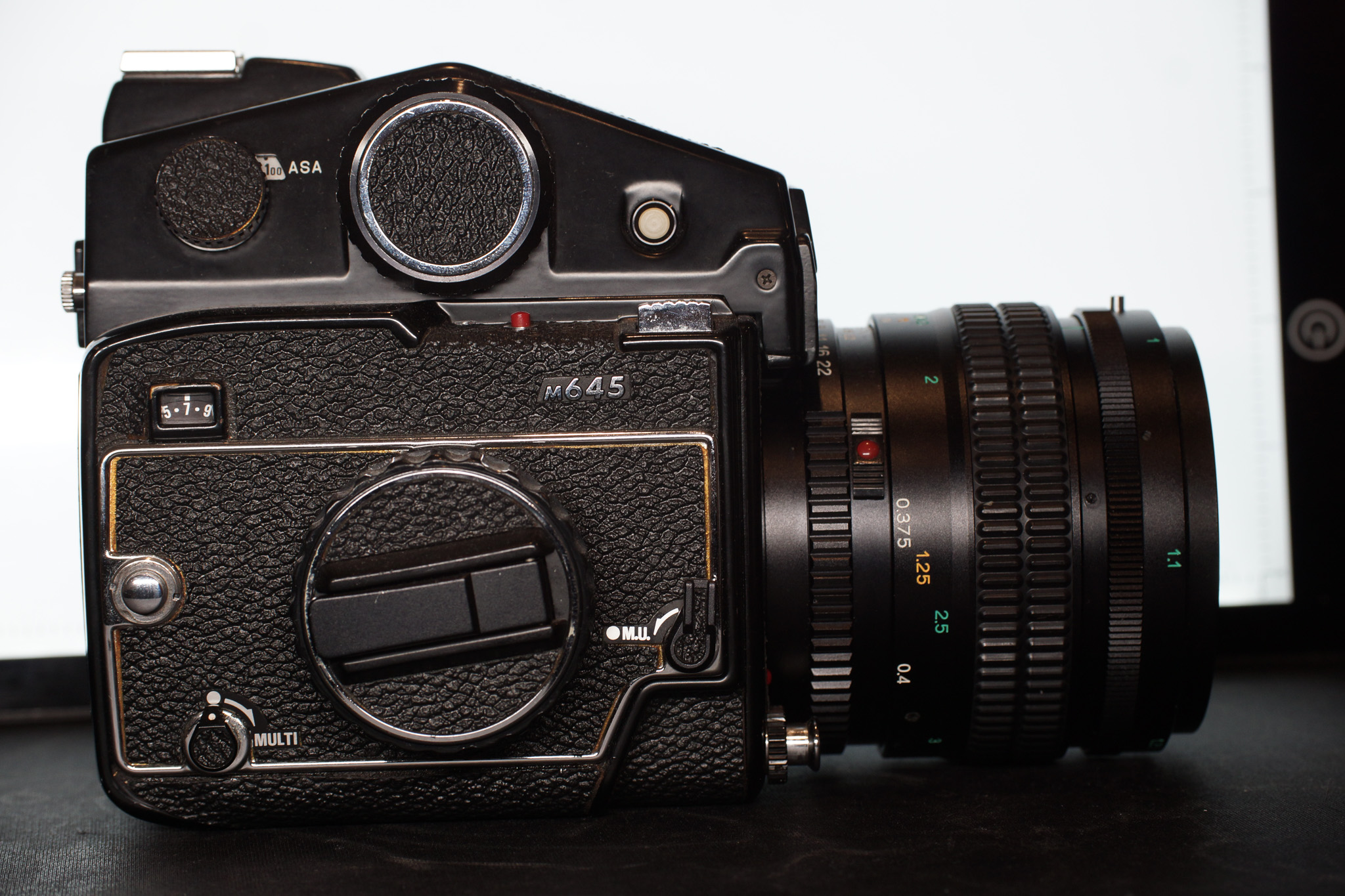
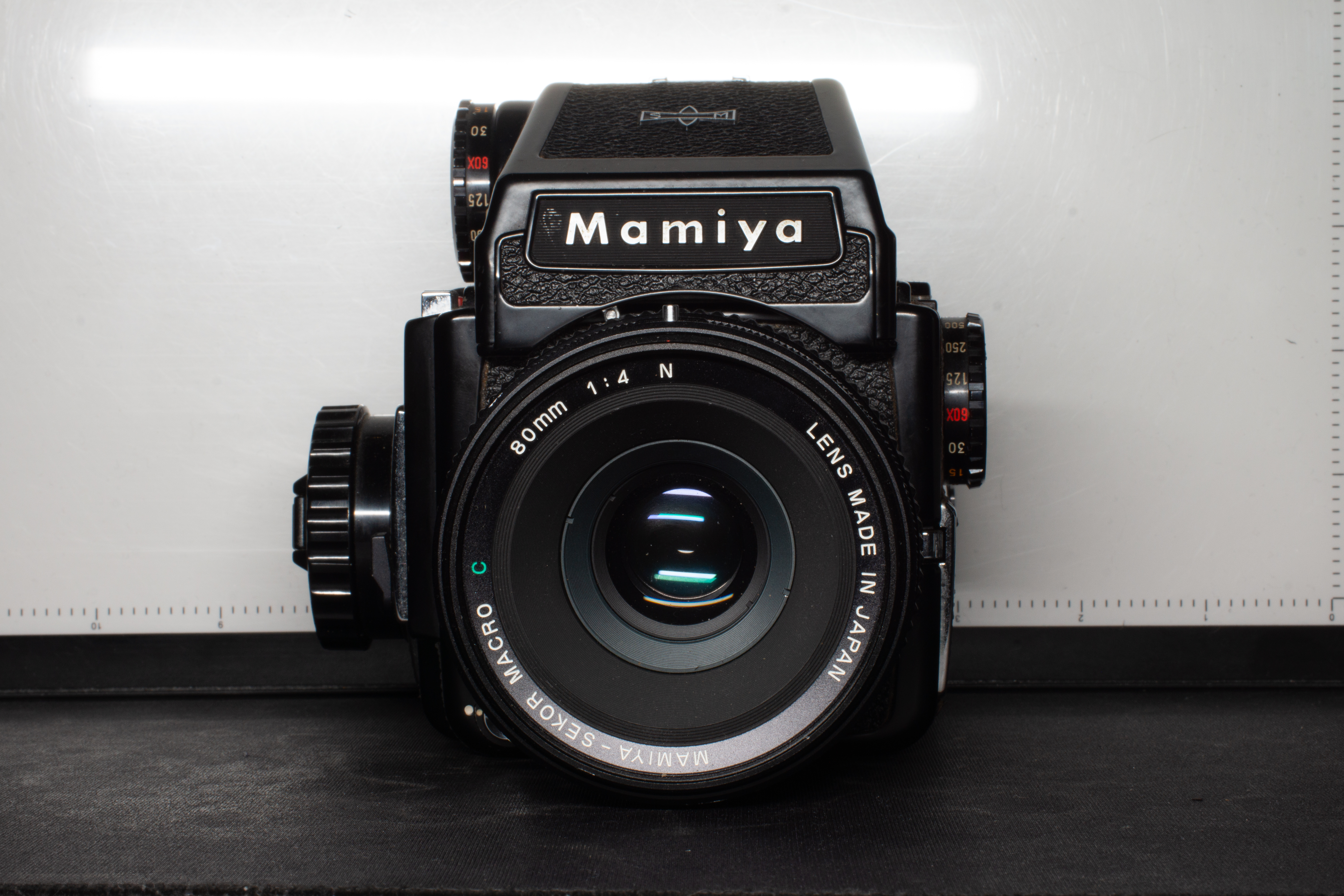
Caption The Mamiya is as heavy as it is beautiful. It has a real professional feel to it and certainly grabs the attention of those nearby. I’ve had a lot of people ask me “is that a Hasselblad”, but alas.
That being said, it is without question the more technically superior camera in every way, a likely result of its far later 1975 release compared to the Ciroflex’s release in the 1941. In fact, I’m not sure why I’m even comparing these cameras, but it does make the story more linear. Anyways, the Mamiya was actually a gift from my mother for Christmas, though I’m unsure why it was instead addressed from some “Santa”. Therefore, I won’t be including it in my running cost tally.
Subjective Review
Overall I’d say I’ve had a difficult relationship with the Mamiya so far. It is an absolutely beautiful camera to look at and it operates smoothly, but it’s just so heavy and difficult to handle in the more spontaneous settings I prefer to shoot in. As a result the Mamiya has gotten far less usage than its 35mm cousins in my collection, with me having shot 8 rolls through it in total. At 15 frames per roll that’s “only” 120 pictures over 10 months. I’ve also gotten fairly mixed results out of the Mamiya in my opinion, which I think is a result our incompatibility in some sense. I can’t keep the Mamiya in my pocket and run into interesting moments or scenes, I need to plan to bring it on trips and think a bit further ahead about its relevance. I also think my shooting style would benefit from a much wider lens, perhaps I’ll look into a 50mm or wider some time soon.
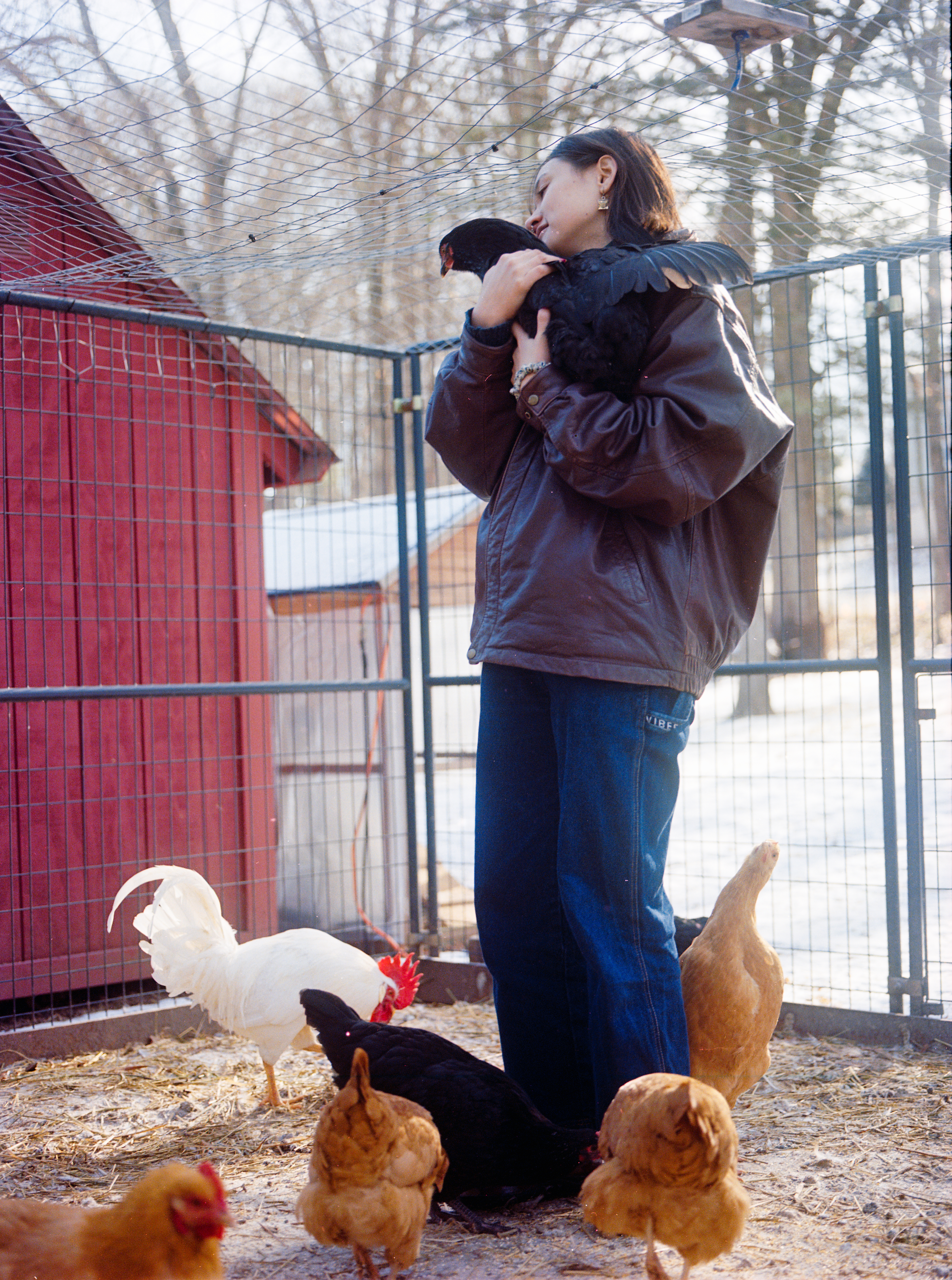
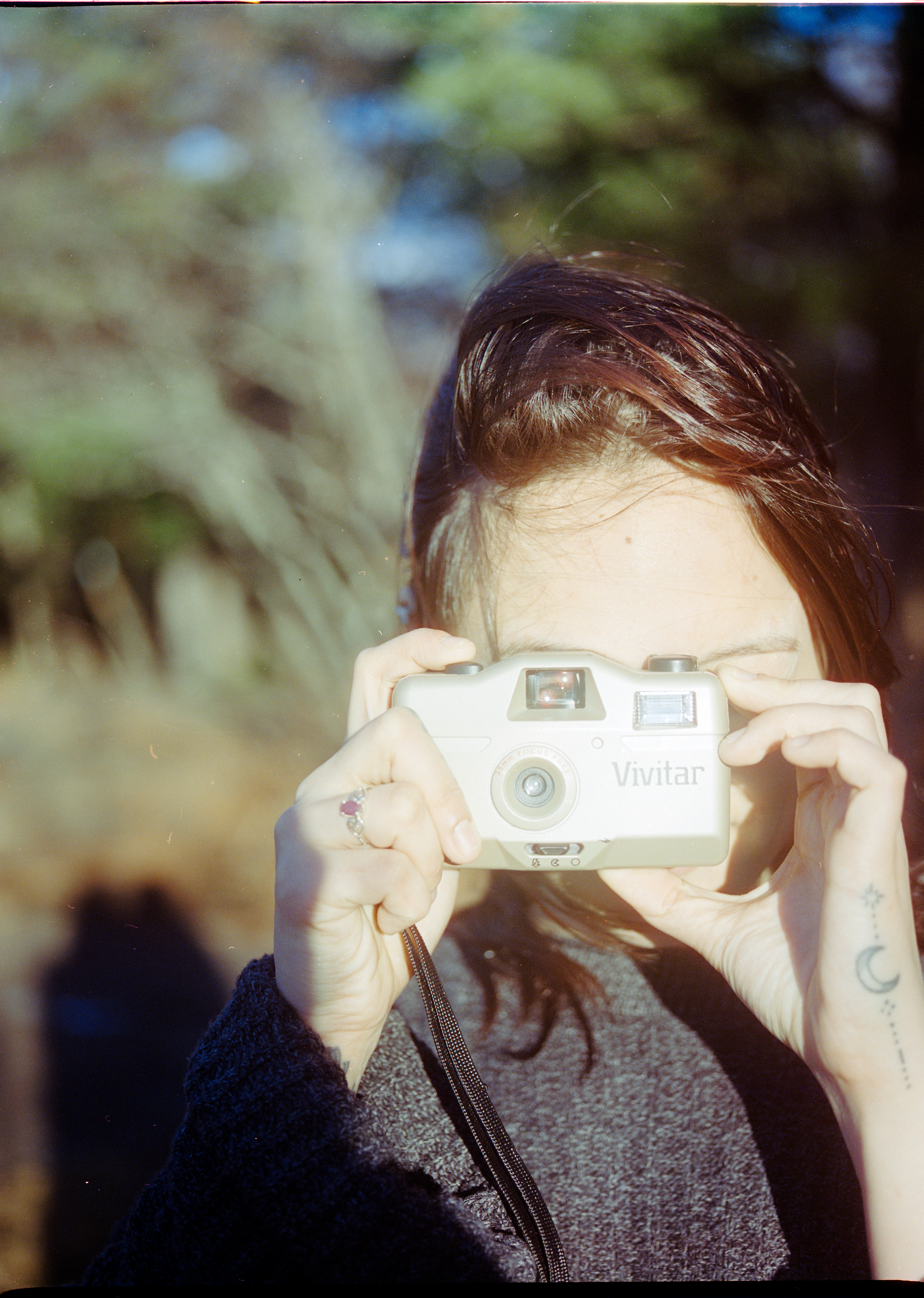

Caption Getting good color photos out of the Mamiya has been a struggle due to issues with the older scanning setup I was using. Luckily now I have an Epson Perfection v750, which I was able to pick up for an absurdly low price, so the colors are much more vibrant now.
All that being said, I have certainly gotten some great photos out of the Mamiya. When everything goes well you can get amazing photos out of this thing with much higher fidelity than 35mm. It’s probably the perfect place to start with medium format. The Mamiya system has an excellent selection of fairly priced lenses (for the current market), so it isn’t too much of an investment. It certainly is not a great travel camera though, unless you’re looking for a workout.
Shrinking Things Back Down – Yashica Electro 35cc
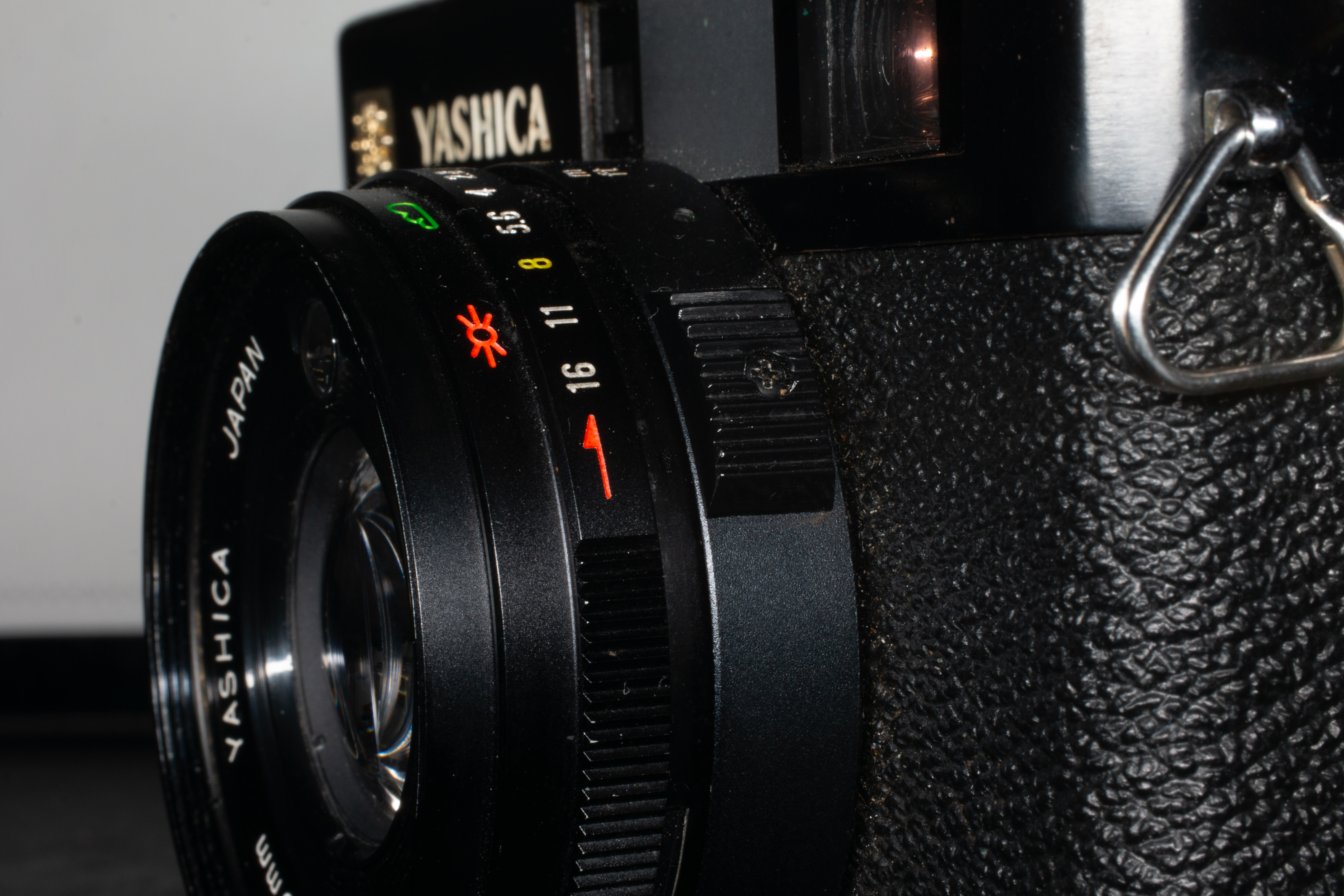
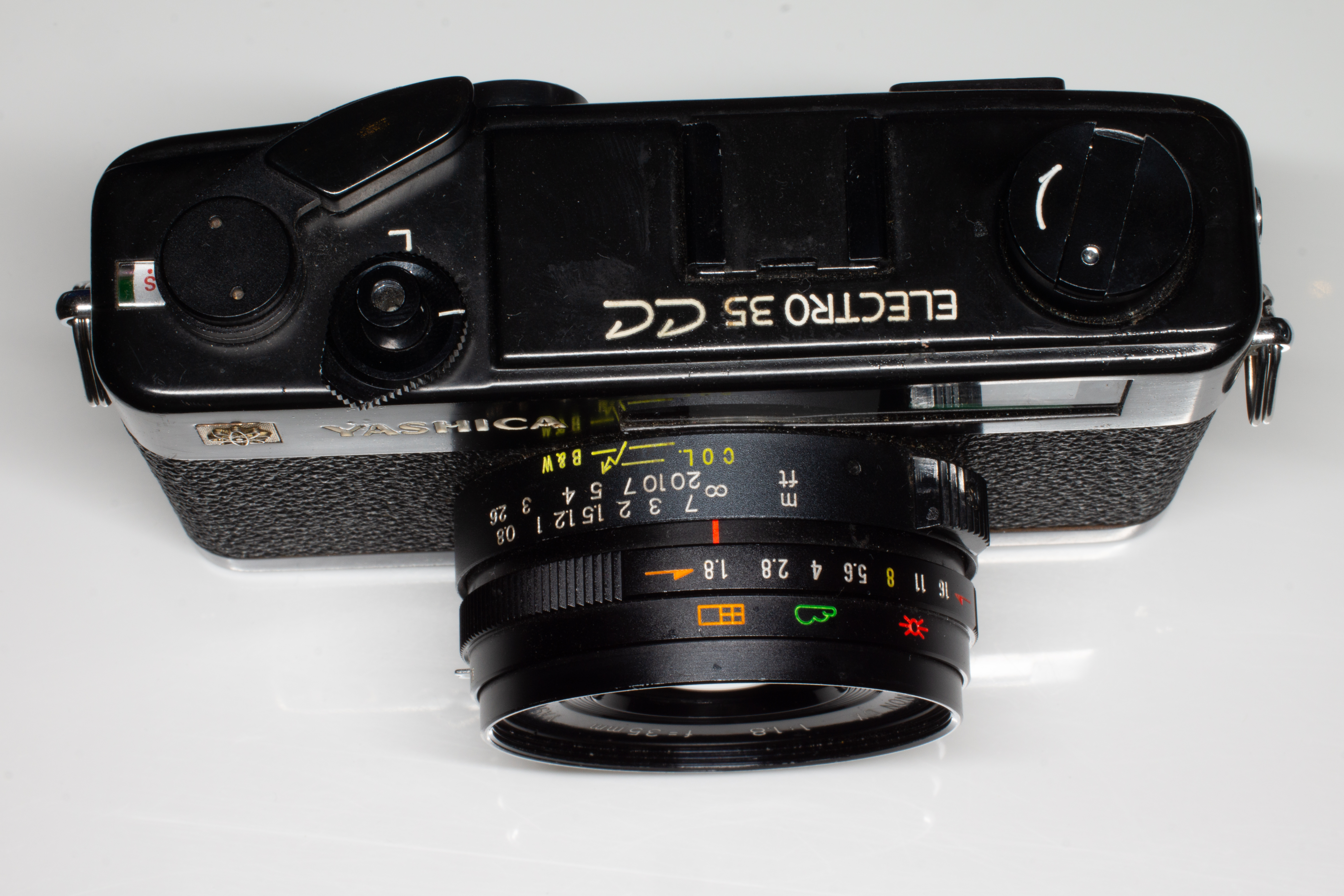
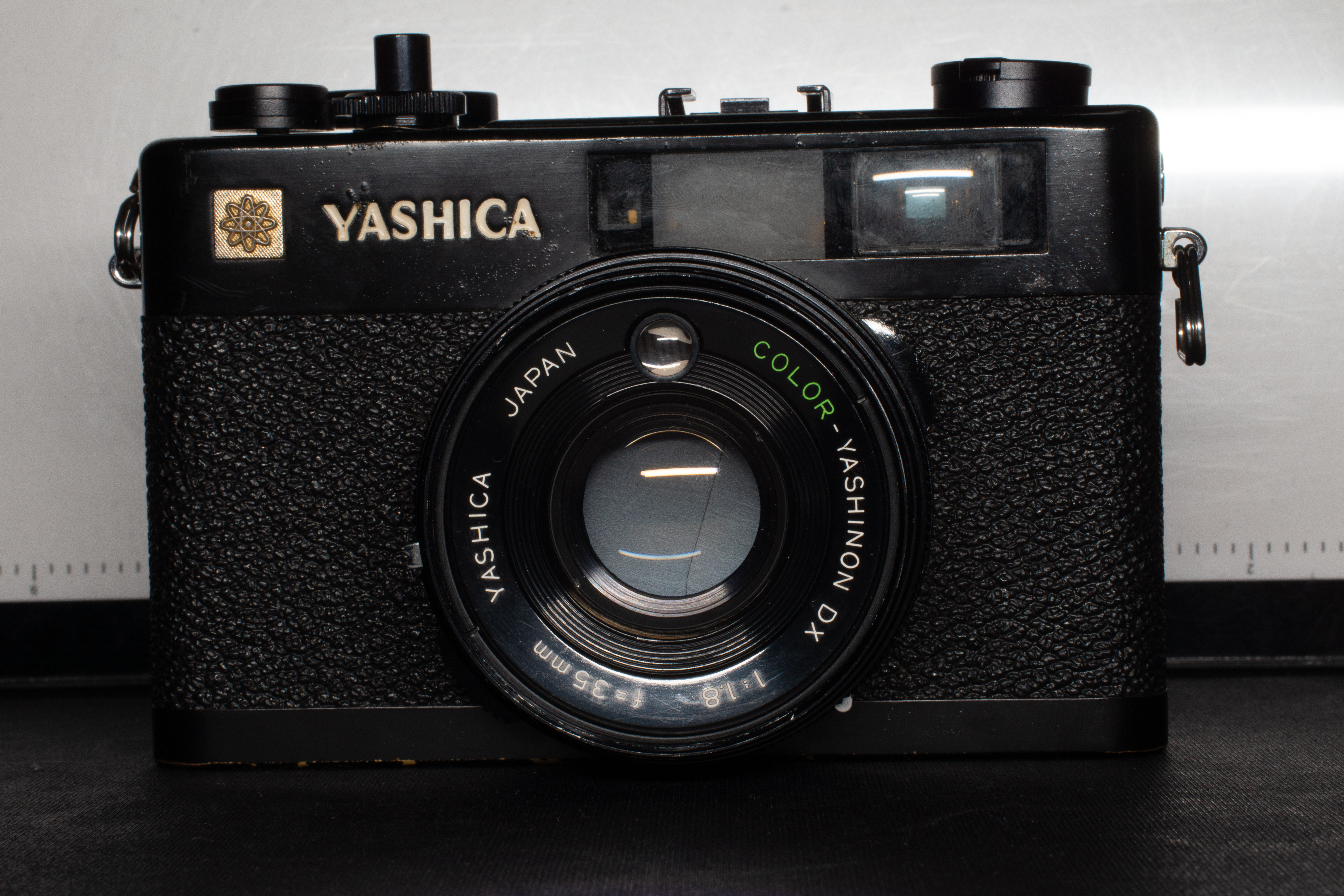
Caption The compact and precise Yashica Electro 35cc. By far my most reliable camera and also one of the best looking.
As I mentioned in the Minolta X-700 section, at a certain point I started to get a bit tired of the large and noisy SLR style of shooting and started looking for smaller alternatives, eventually realizing that rangefinder cameras were my best bet. Considering my first ever film camera, the Argus C-44, was also a rangefinder, this makes our story a neat little circle.
Freeing oneself from the mirror based design of an SLR comes with innumerable benefits in my opinion. The design of rangefinder cameras and lenses are far simpler and more compact as the body no longer has to house and move a large mirror between shots. They’re also much quieter. No longer do you announce your photos with the slap of a mirror, instead letting out a nearly inaudible click. And don’t forget, the energy it takes to quickly move that mirror doesn’t just disappear, it does cause a slight shake of the camera every time you take a shot.
Of course these benefits do come with a cost. You no longer see directly through the lens, instead looking through an optical viewfinder with a superimposed rangefinder patch for focusing. This inherently puts more responsibility in the user’s hands. No longer can you trust the image you see in the finder, you now have to account for parallax error, ensure your lens cap is off, and remember to focus even though the image looks clear. All these costs are more than worth the benefit of having a smaller and quieter camera in my opinion, however. It is infinitely easier to bring the Yashica on a quick trip, tucked neatly into my pocket, than it is to pack up the Minolta or wrap it around my neck.
Speaking of the Yashica, we haven’t properly introduced it yet. While searching for alternatives to my Minolta, and doing some internet research, I ended up finding the Yashica Electro 35cc. I think what struck me most was both the compactness and beauty of its design. Compared to the Minolta, the Yashica is smaller in all dimensions, as you can see in the image below. I immediately bought one and don’t regret it. I was fortunate to find a “mint” model on Ebay with no fog, fungus, or scratches on the lens. This was the first time I paid attention to the condition of the lenses I bought and it certainly paid off.
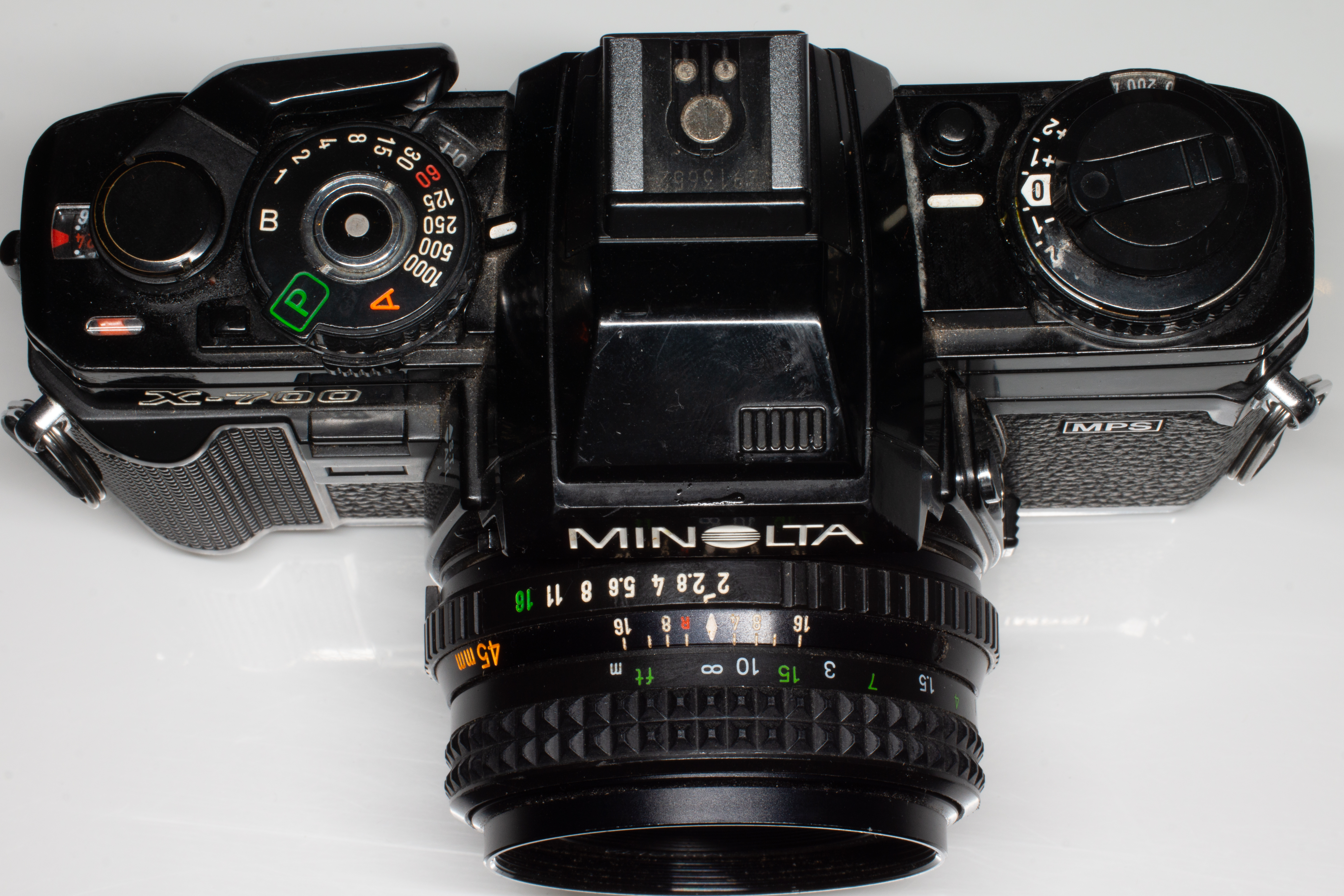
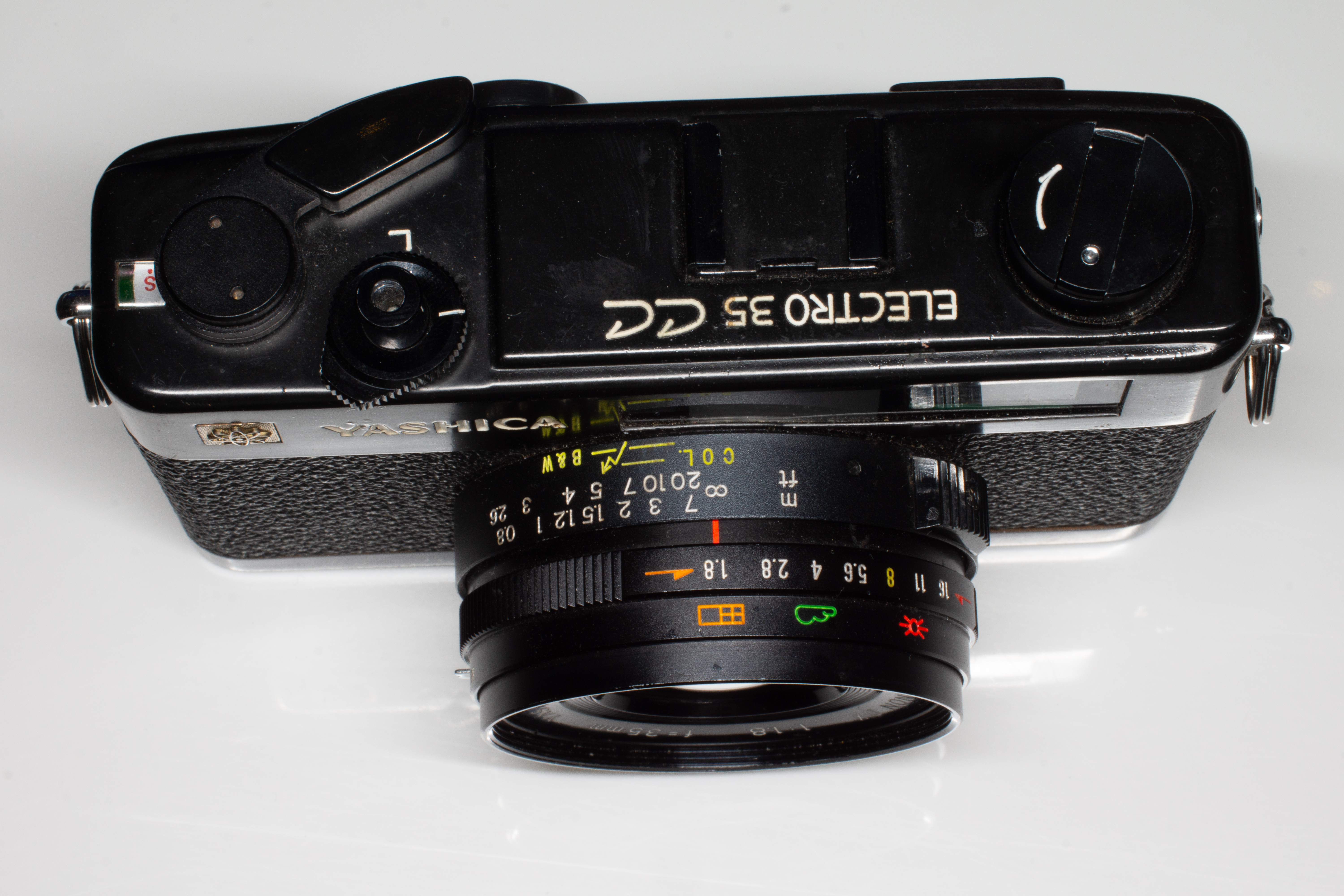
Caption Comparison in size between the Yashica and Minolta. Both photos were taken from the same distance away, though they aren’t perfectly aligned. You can still see pretty clearly how much larger the Minolta is.
Subjective Review
The Yashica is probably the most consistent high performer out of all the cameras in my collection. No matter what I shoot I just know for sure the exposure is going to be perfect and image quality is going to be immaculate. This is a result of its sharp f 1.8 35mm lens and an ever-reliable aperture priority shooting style, all packed into an absurdly small frame. After shooting 11 rolls and 396 pictures through this camera, I can say with certainty that it has never let me down, even in difficult, low light settings. I’m not sure what those Yashica designers were up to back in 1970, but they nailed it with the Electro 35cc.

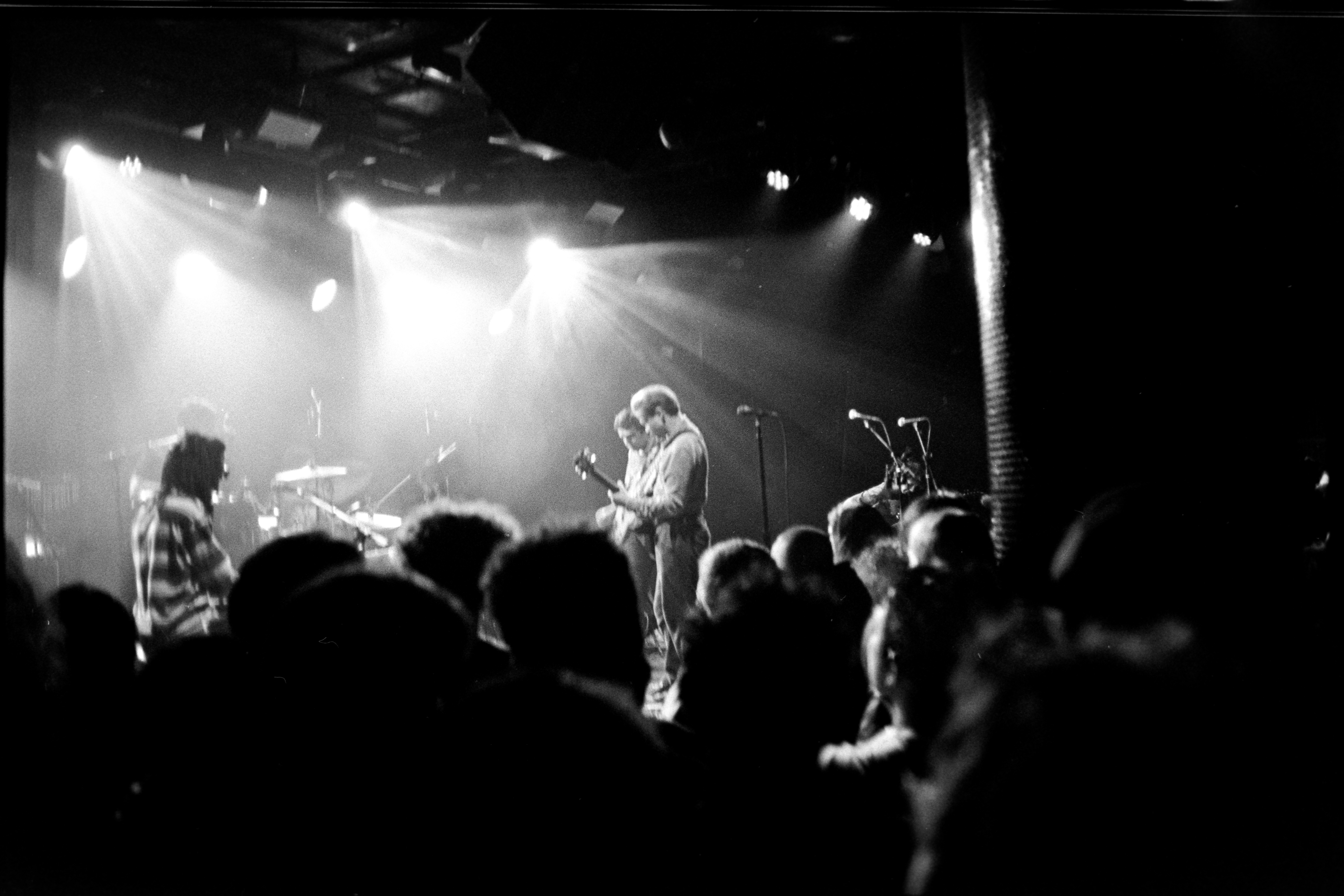
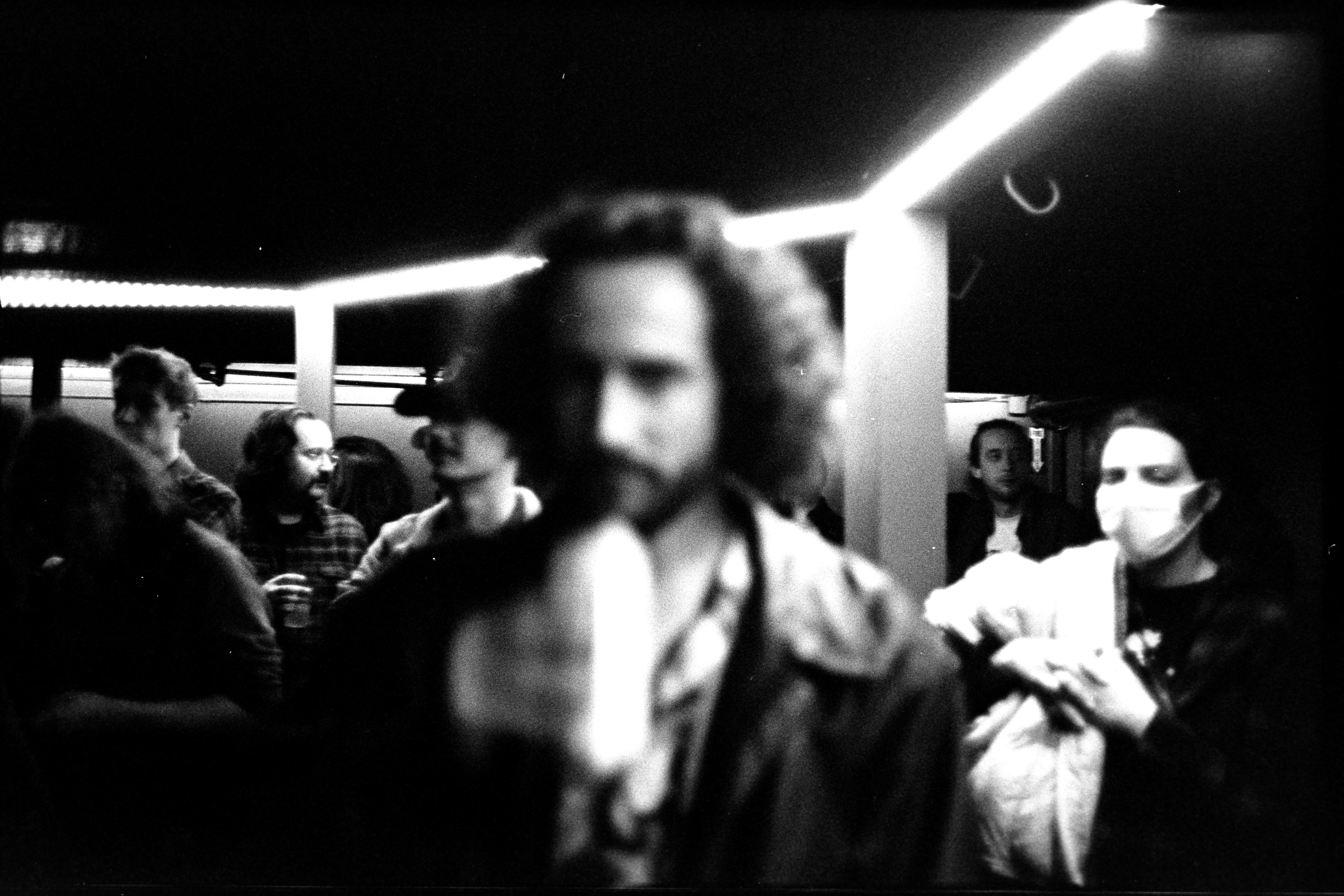
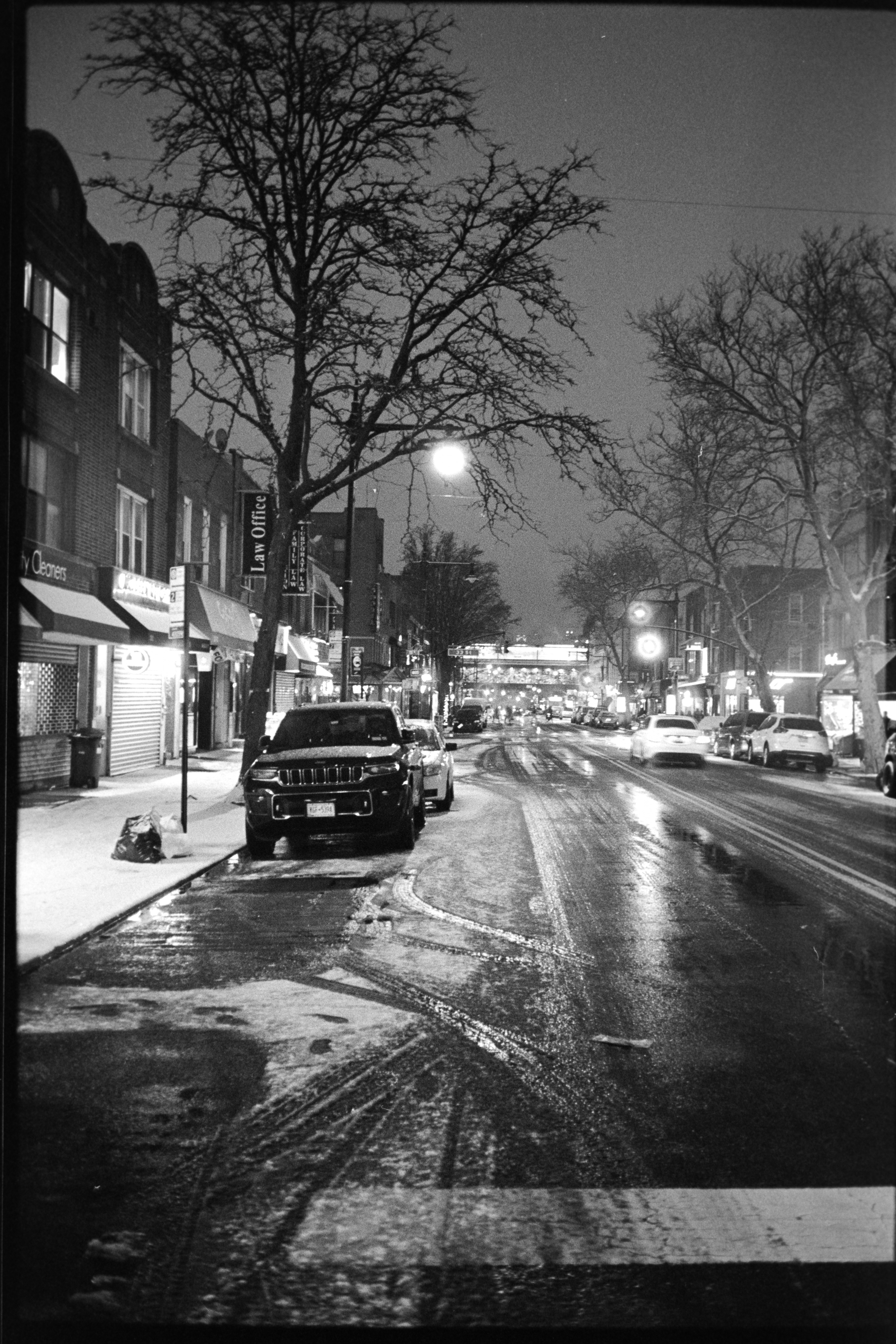
Caption Examples of the Yashica’s excelent performance in tough lighting situations. All these photos were taken at night or in dark music venues, and yet the Yashica is able to find the perfect exposure to capture plenty of detail without blowing out the highlights. The camera’s range finder design and leaf blade shutter also help immensely here, minimizing mechanical disturbance while shooting at slow shutter speeds.
It’s a perfect performer in all settings I’ve tried: portraits, landscapes, street photos, the list goes on. This makes it an ideal travel camera or even an overpowered, pseudo “point and shoot”, since the aperture priority allows you to somewhat ignore exposure. I don’t have the internet cred to significantly change the price of this camera, so I’m just gonna say it’s an absolute steal. I was able to grab mine for around $120 which, in this market, and in mint condition, is daylight robbery.
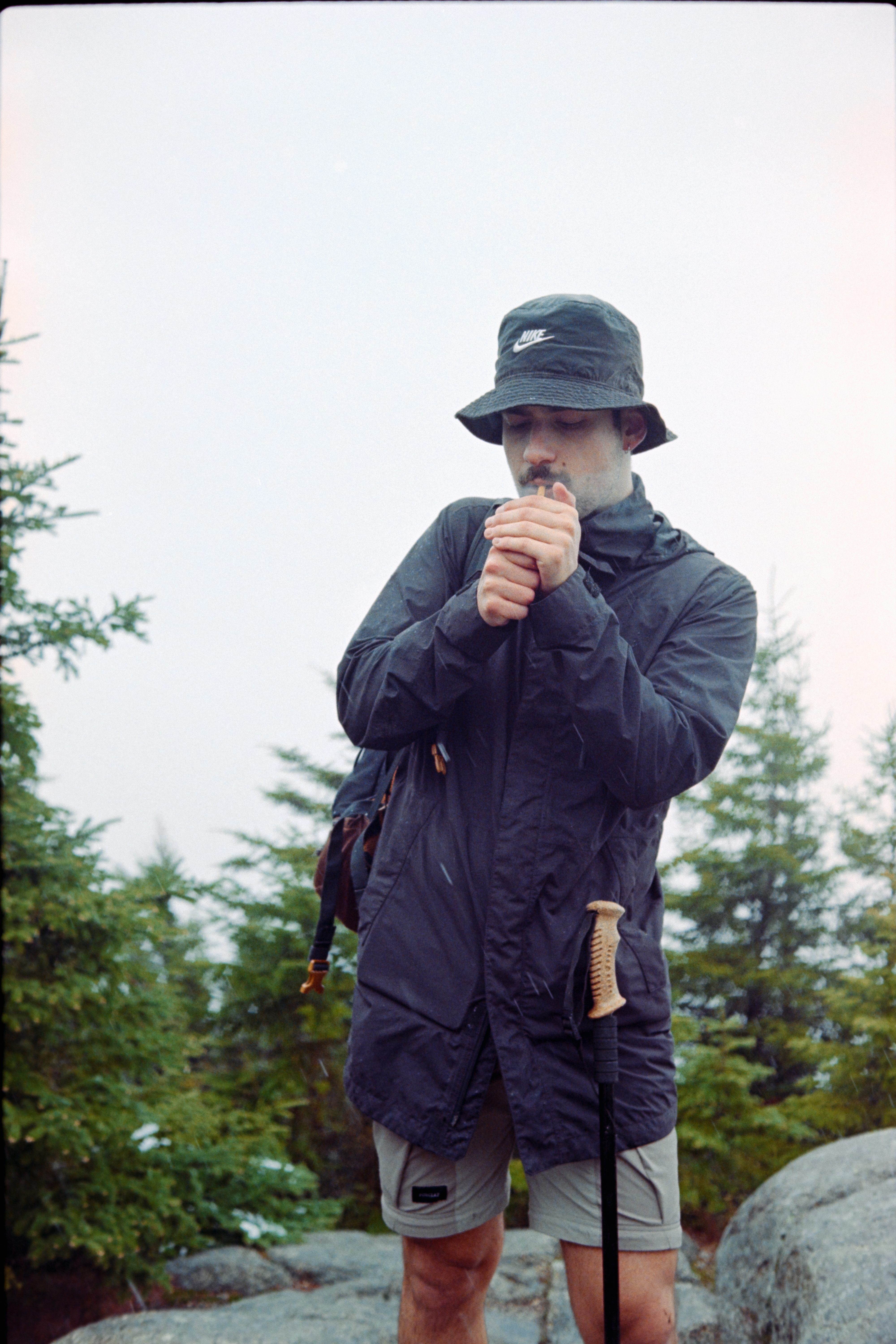
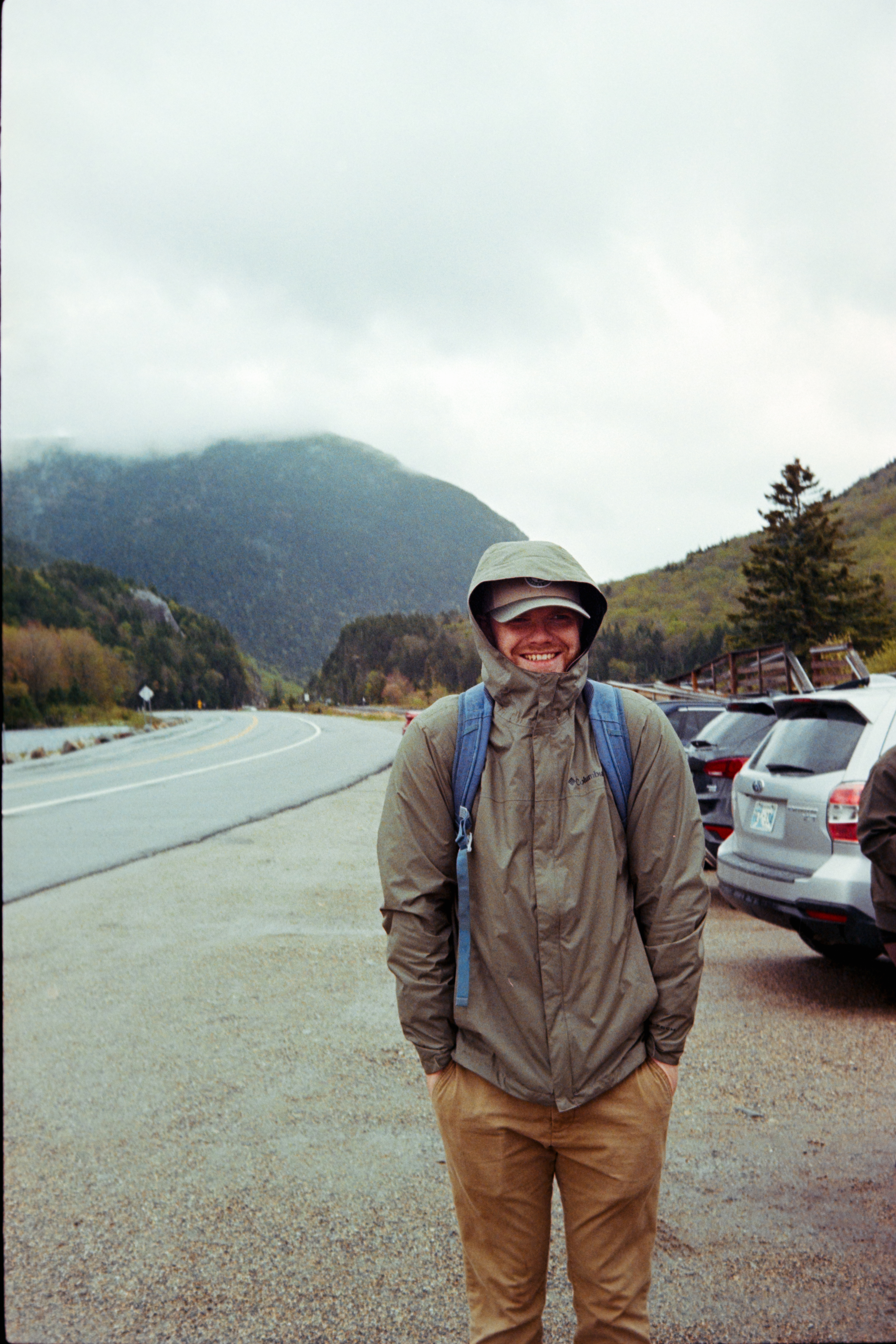
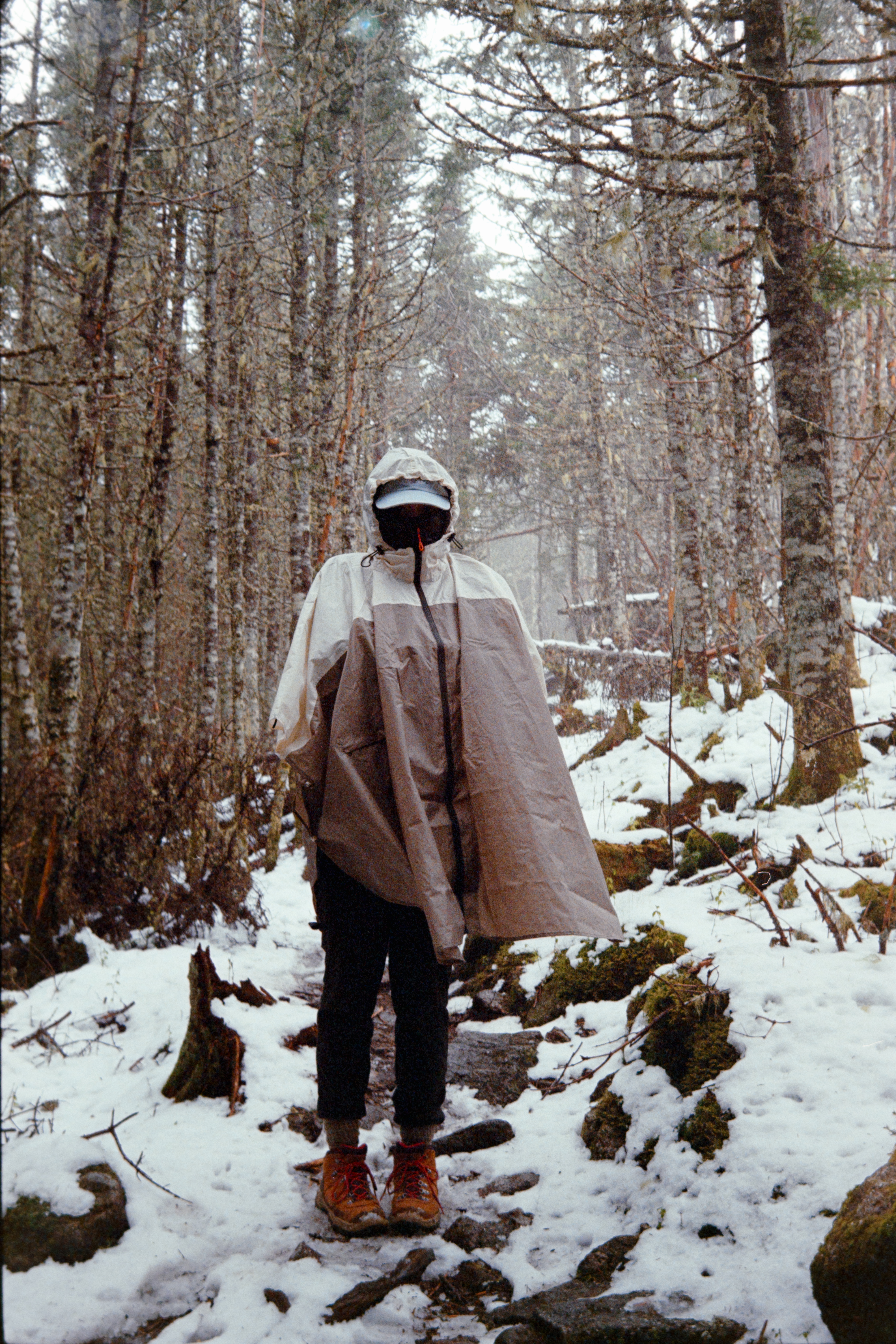
Caption Some of my favorite portraits, all taken with the Yashica during the same trip to Mt Washington. We weren’t prepared for snow in the fall so our ascent to the summit was a failure, but we had way more than enough fun to make up for it.
That being said, the Yashica does come with some drawbacks that makes it less of an “all round” camera, in my opinion. The shutter speed is fully automatic, with no option for manual override, and the camera’s iso setting, which impacts the automatically chosen shutter speed, only goes as high as 500 iso, preventing experimentation with higher film speeds. Because of this the Yashica lacks a lot of versatility that many photographers will be looking for.
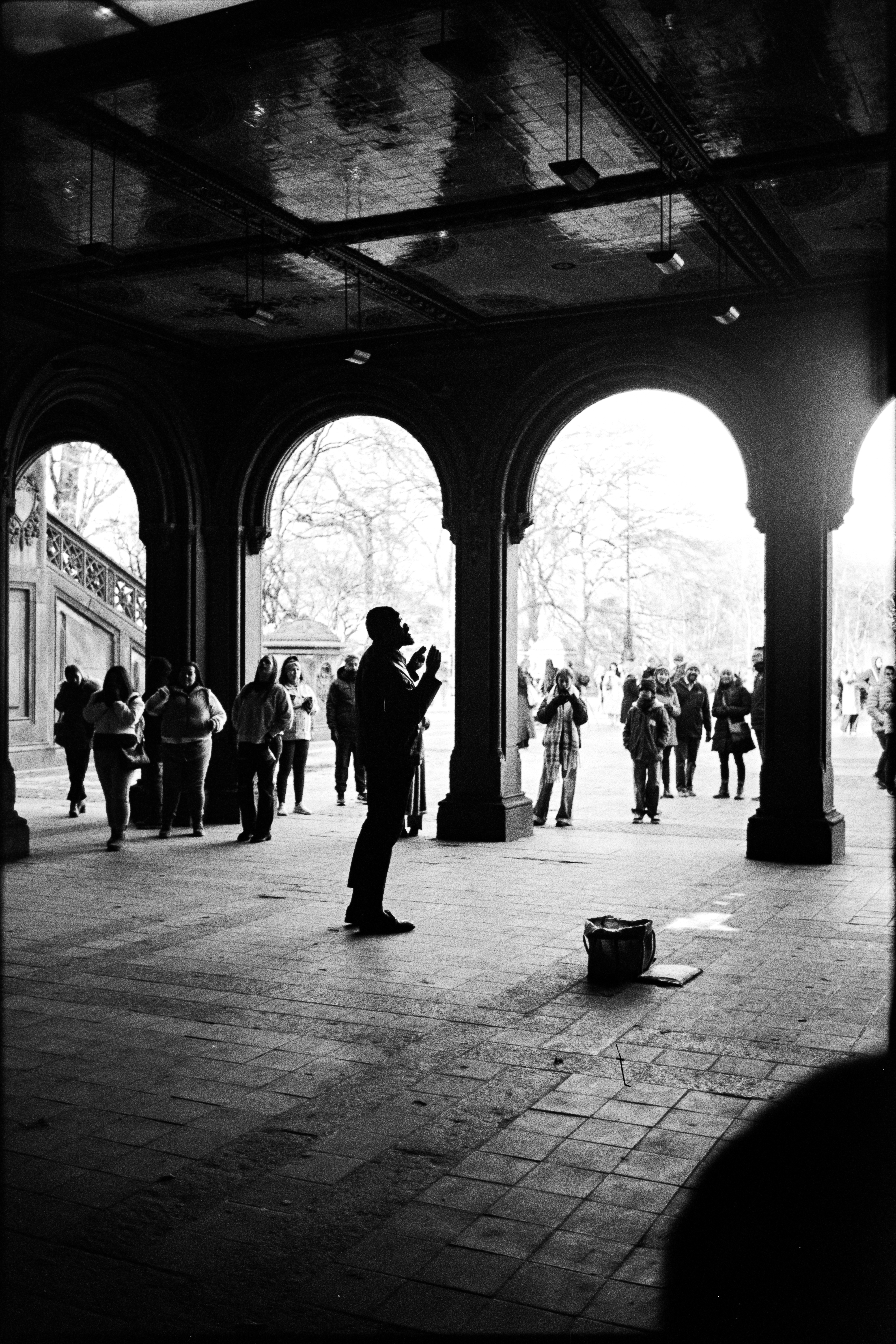
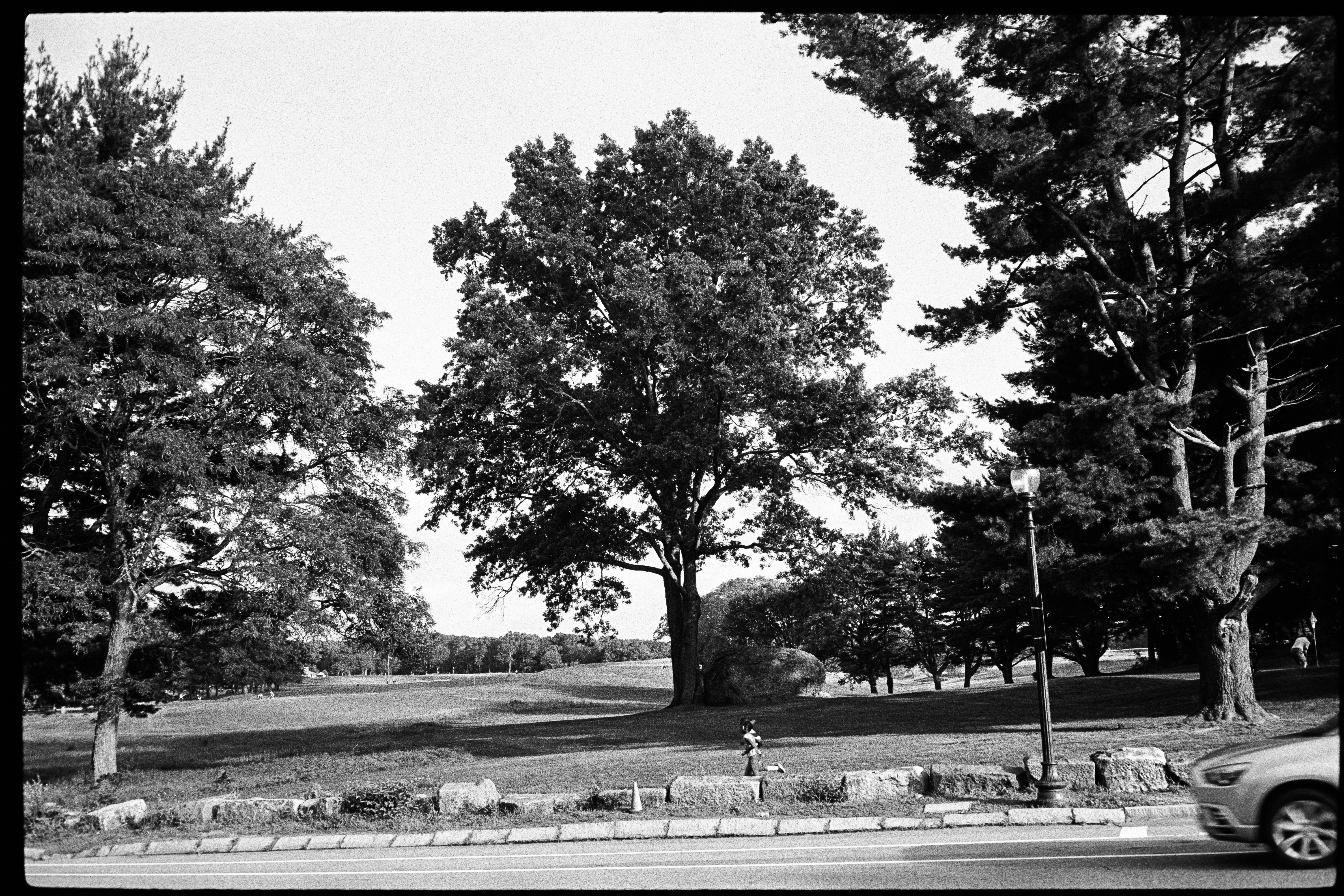
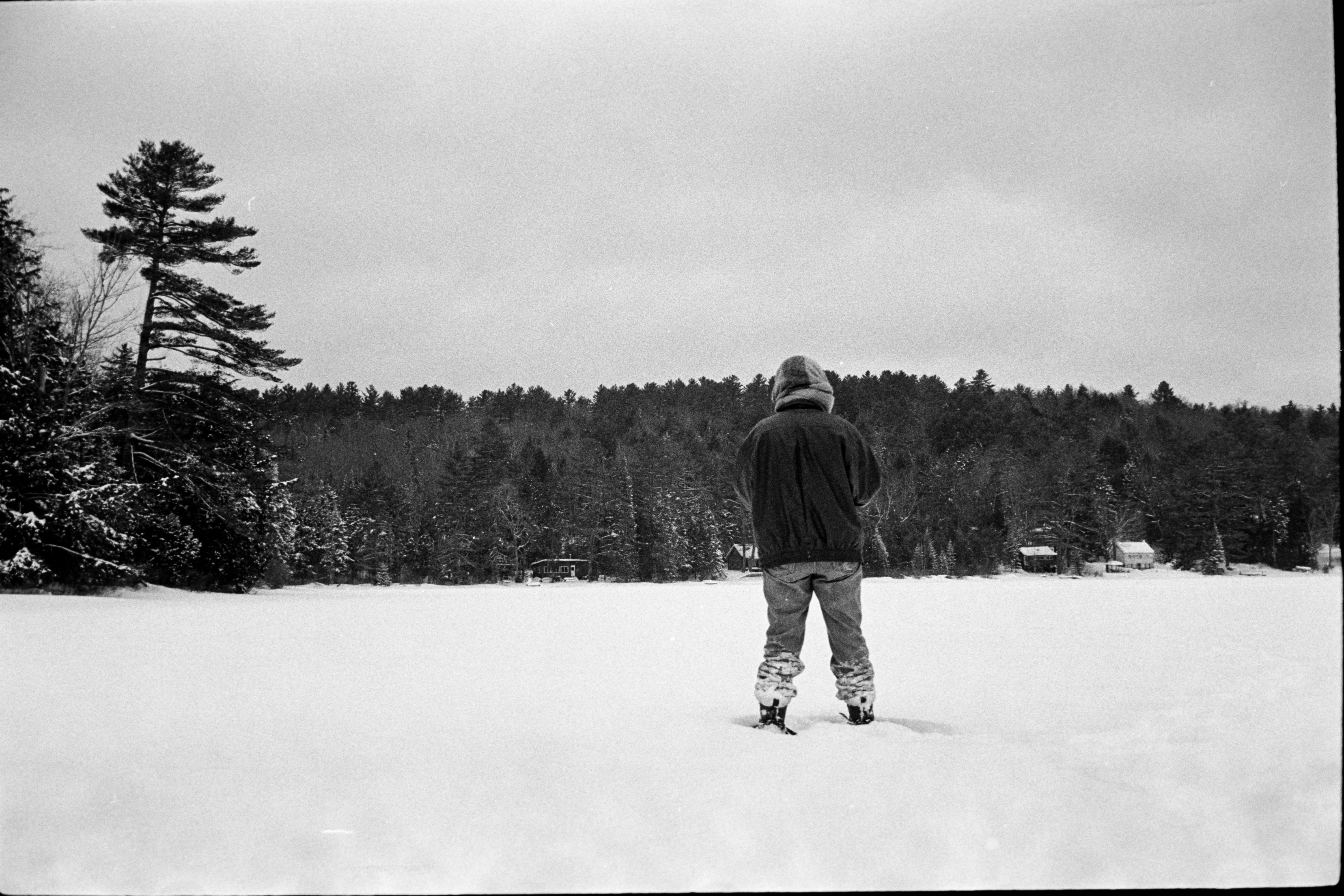
Caption A mix of Yashica photos from New York City, Boston, and Vermont respectively.
This means most photos coming out of the Yashica will be more “perfect” from a technical perspective, in terms of exposure, so you won’t be able to experiment or bend the rules as much. Therefore, the Yashica, as you know, is not my only camera. It truly excels in more spontaneous settings, or as a daily, backpack camera, but I wouldn’t want it to be my only camera. This is all to say, I absolutely love my 35cc.
The Way it was Always Going to Be – Leica iif Red Dial
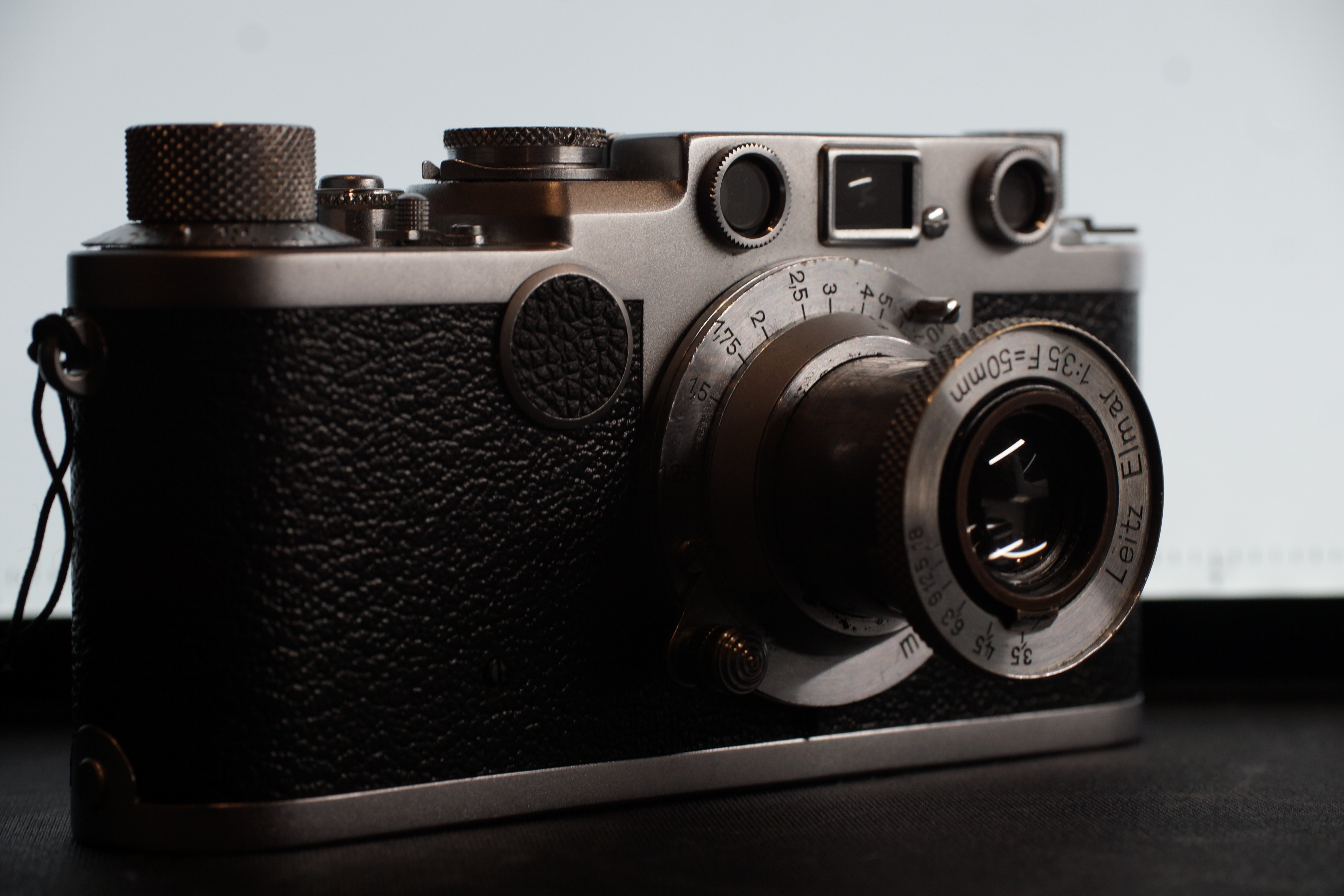
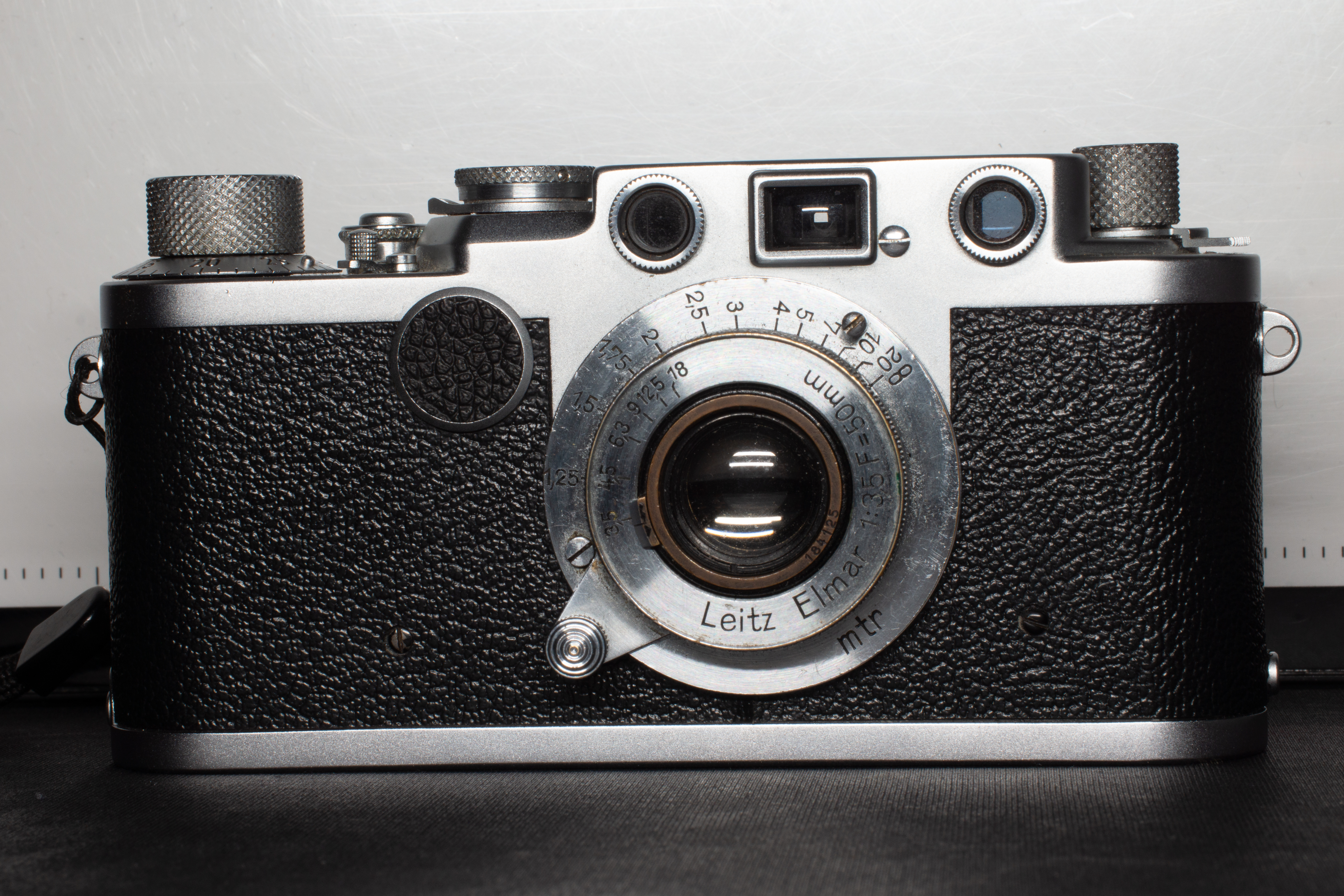
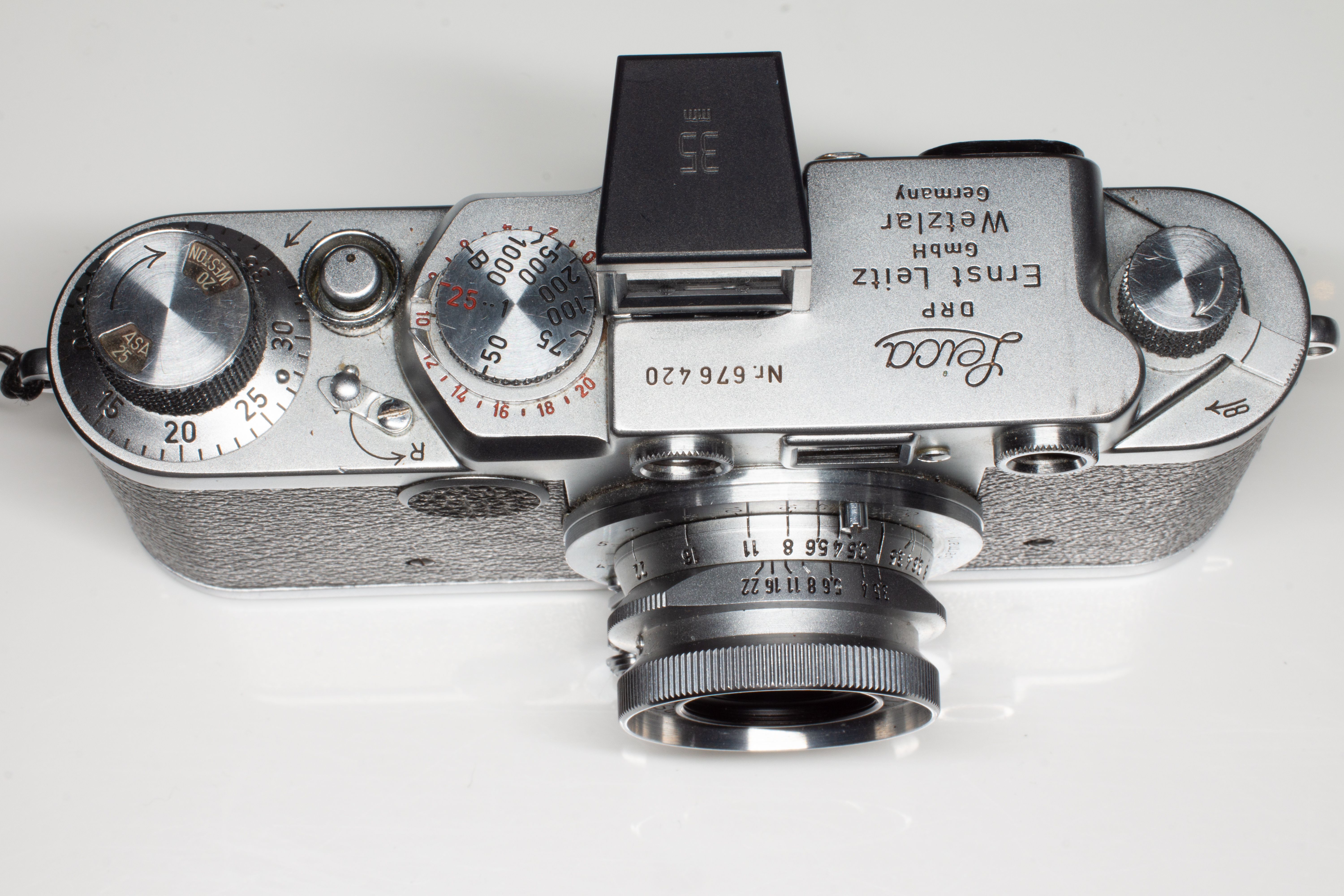
Caption The Leica iif is a brilliantly simple yet infinitely effective camera. In the first two photos we see it equipped with an Elmar 50mm f3.5 from 1933(!). The lens is collapsible, allowing the entire camera to fit neatly in your pocket. The 35mm f3.5 Summaron lens, pictured on the bottom right, is unable to collapse and is therefore a bit larger, but it is still fairly small. In that picture we can also see the external viewfinder I attached to the camera, allowing me to more accurately frame shots at 35mm.
When I first started with film photography back in October of 2024, I’m not going to lie, I hadn’t even heard of Leica, they weren’t even on my radar. But eventually, after spending enough time with the wrong crowd, the handsome devil will show his face. Much of this is a byproduct of my age, all the cameras I’ve been talking about are ancient relics as far as I’m concerned — imagined, crafted, worn through, and forgotten far before my mother was born. That means I had to learn the history of photography through word of mouth and myth, slowly moving backward in time rather than experiencing a linear progression of life in front of me. I don’t remember when I first heard of Leica, though the first person I’d blame is Jack, but I knew immediately that I was almost certainly never going to own one. Everywhere you go online you see fancy people with their multi-thousand dollar Leica camera bodies and several multi-thousand dollar lenses. I’m a grad student, Leica isn’t really in my budget.
For those following the story, I’ve been keeping things fairly cheap, only choosing cameras and lenses I felt were under priced rather than investing in any expensive systems with large amounts of hype around them. At this point in the story, which is to say early February 2025, I had only spent about $360 on working film cameras and lenses. With this money I was able to get 4 working camera bodies and a slew of lenses, mostly for the Minolta. This is in addition to the Mamiya and Ciroflex, which I was fortunate to receive as gifts from my mother and Jack respectively. I don’t know about you, but to me that’s value. Especially coming from the digital space, where high end cameras cost eye-watering prices in the thousands, being able to get multiple, professional level cameras for only $360 felt like I was breaking the system.
And, perhaps because of this, I was proud of the collection I had accrued on such a tight budget. I certainly wasn’t spending optimally, I’m sure some better deals were to be found at estate sales or Facebook marketplace, but I was definitely getting a lot of value per dollar. Yet one day, I received the fateful email — KEH selling an a newly cleaned Leica iif Red Dial for only (only) $298. I couldn’t believe it, certainly this was a steal, my chance to get the ultimate, budget Leica, and a real one at that.
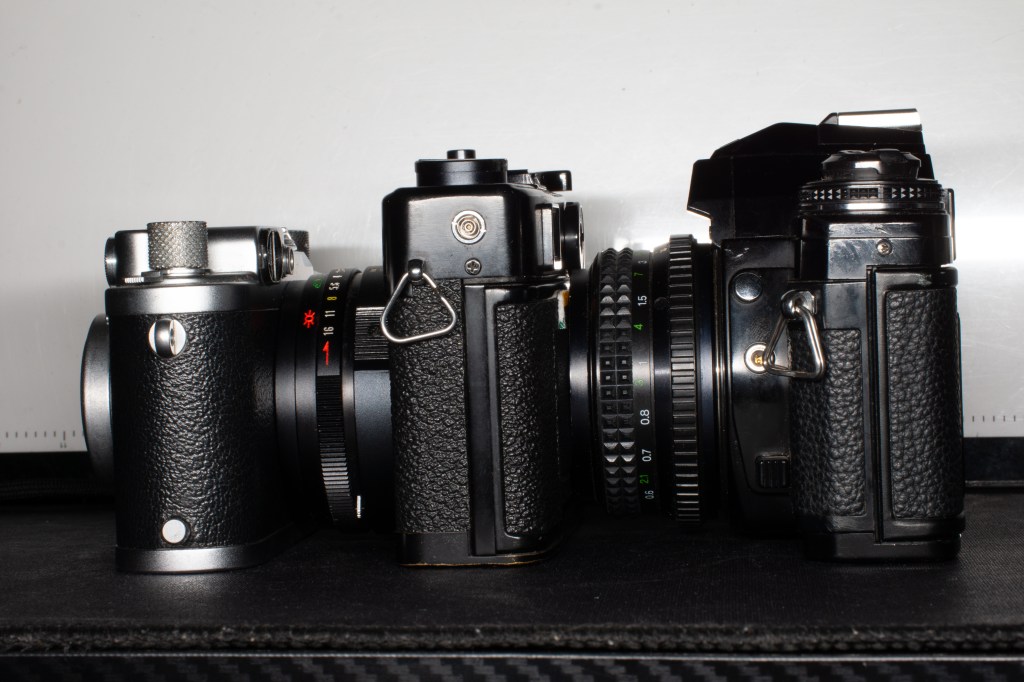
Caption Size comparison between the Leica iif, Yashica Electro 35cc, and Minolta X-700 (from left to right). The difference is stark. The Leica is by far the smallest camera with the Elmar 50mm lens equipped, fitting easily in your pant’s pocket. Pocketing the Yashica is possible with a jacket while the Minolta has no hope of fitting in any but the largest of jacket pockets.
Of course, I hadn’t heard about the Leica iif, one of the many “Barnack” Leicas as they’re known. But after some research it became pretty quickly apparent why they were so much more affordable than Leica’s famous M line of cameras. In many senses (mostly literal) the iif, and its siblings, are the prototypical ancestors of the far more advanced and technically superior M cameras. We can go down the list: the M cameras have an integrated viewfinder and rangefinder, a faster system for loading film, more shutter speed options, some have integrated light meters, and they have a more modern, bayonet style lens system.
But with all that, what it really comes down to, as always, is the lens selection. When using the much older Barnack Leicas you’re forced to use the Thread Mount system which, due to spacing constraints, cannot be adapted to work with M lenses. This cuts off your access to more modern optical advancements in coatings, glass, and overall design, producing images that are slightly less sharp and more “Vintage”. But, if you’re shooting film, this is probably what you’re looking for anyways.
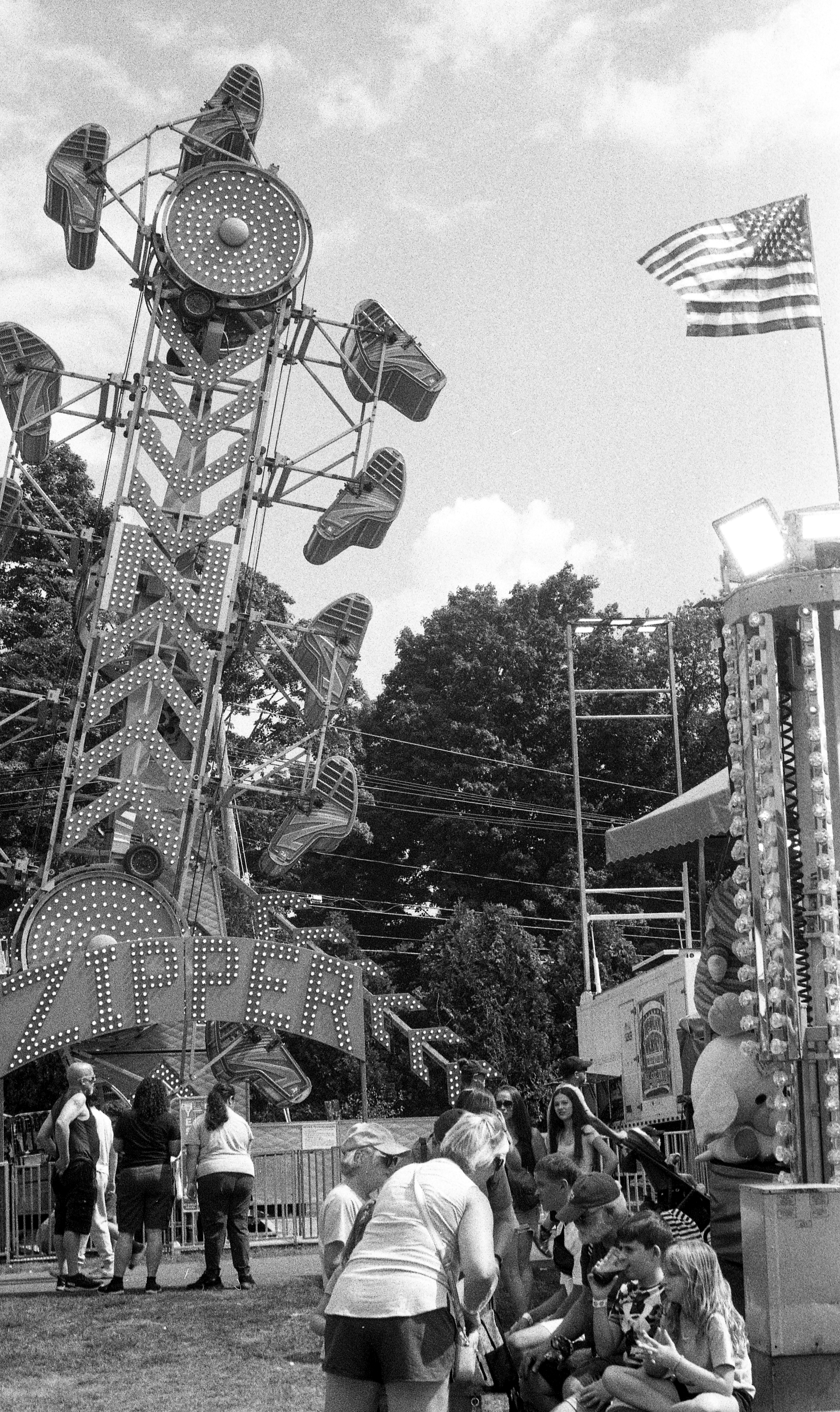
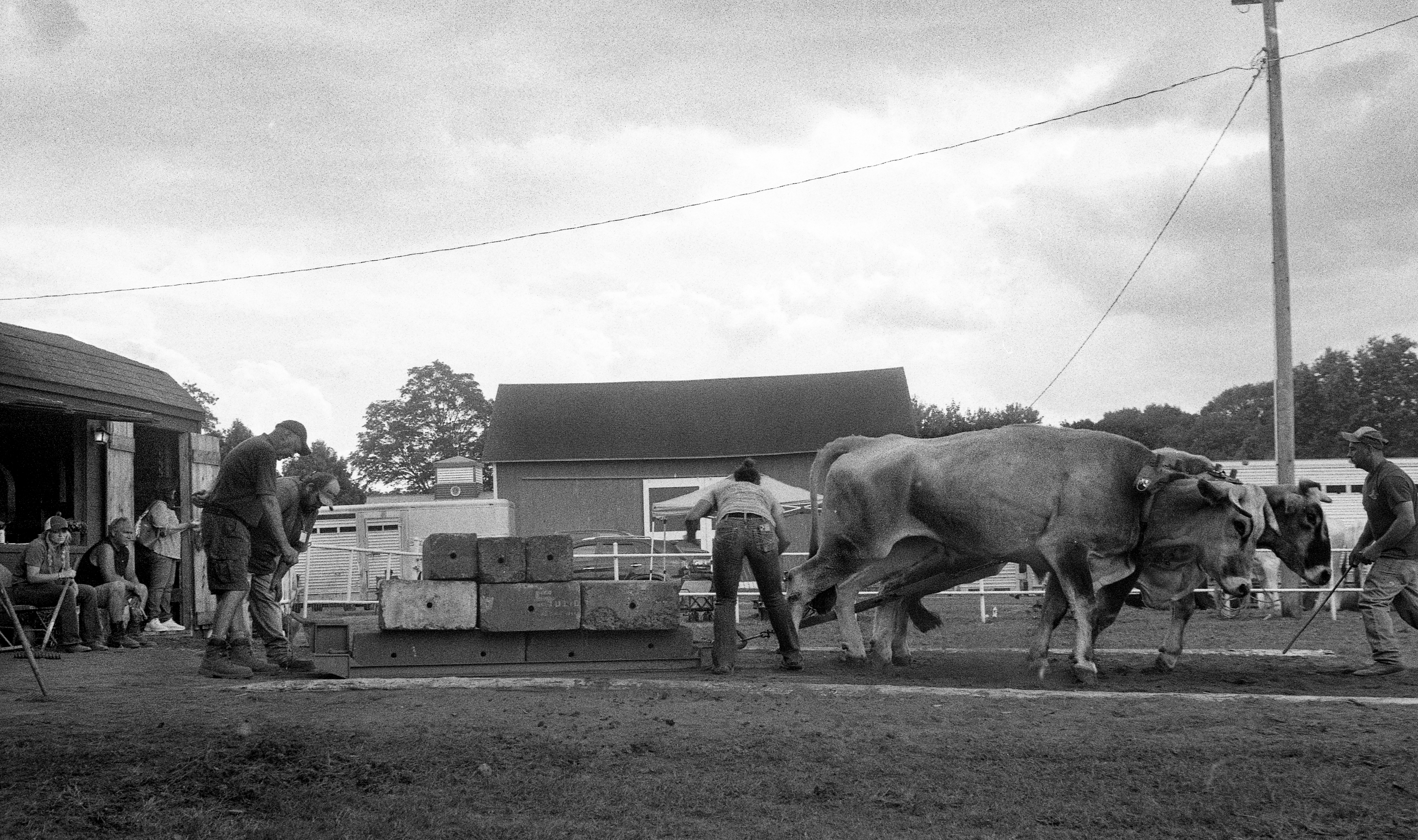
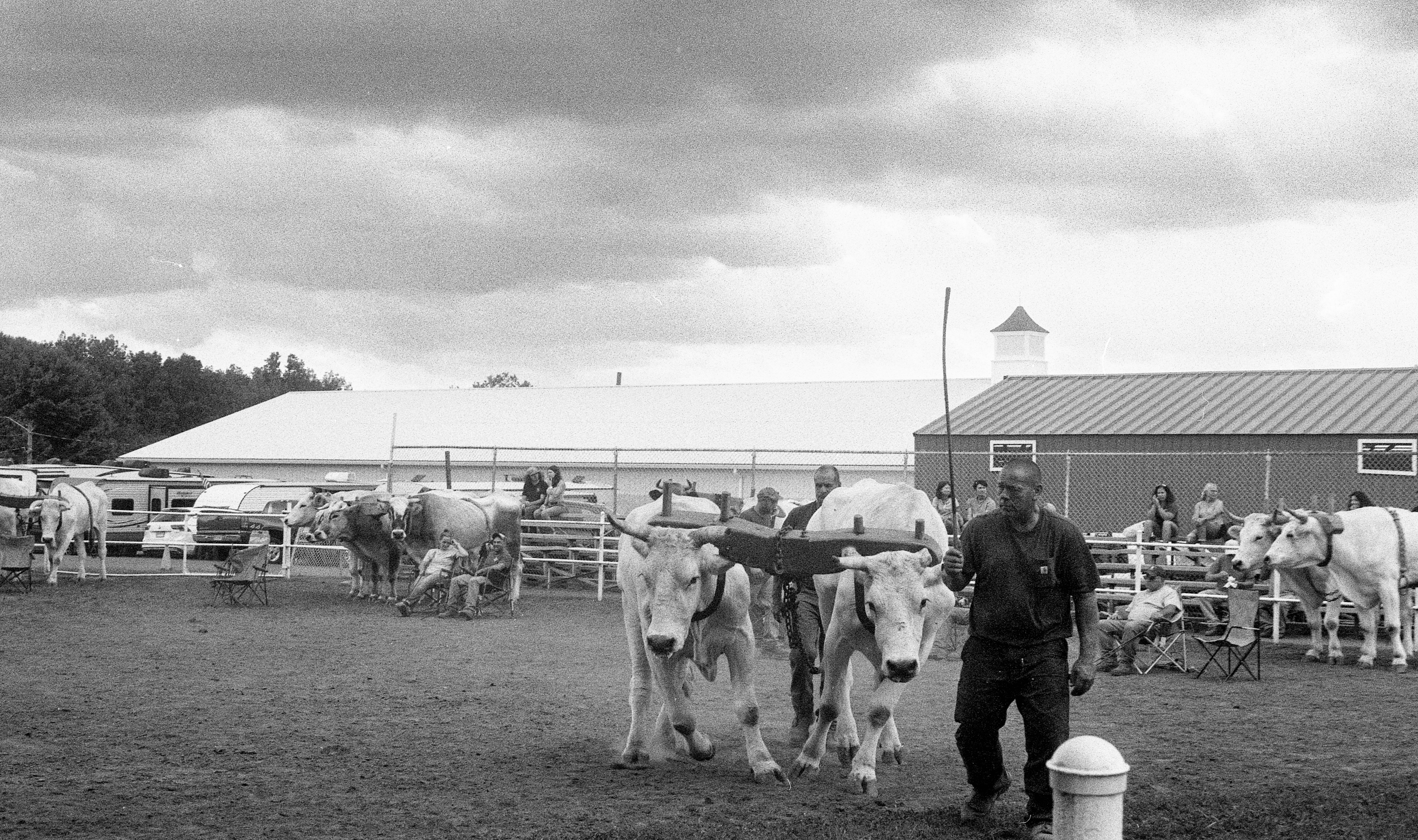
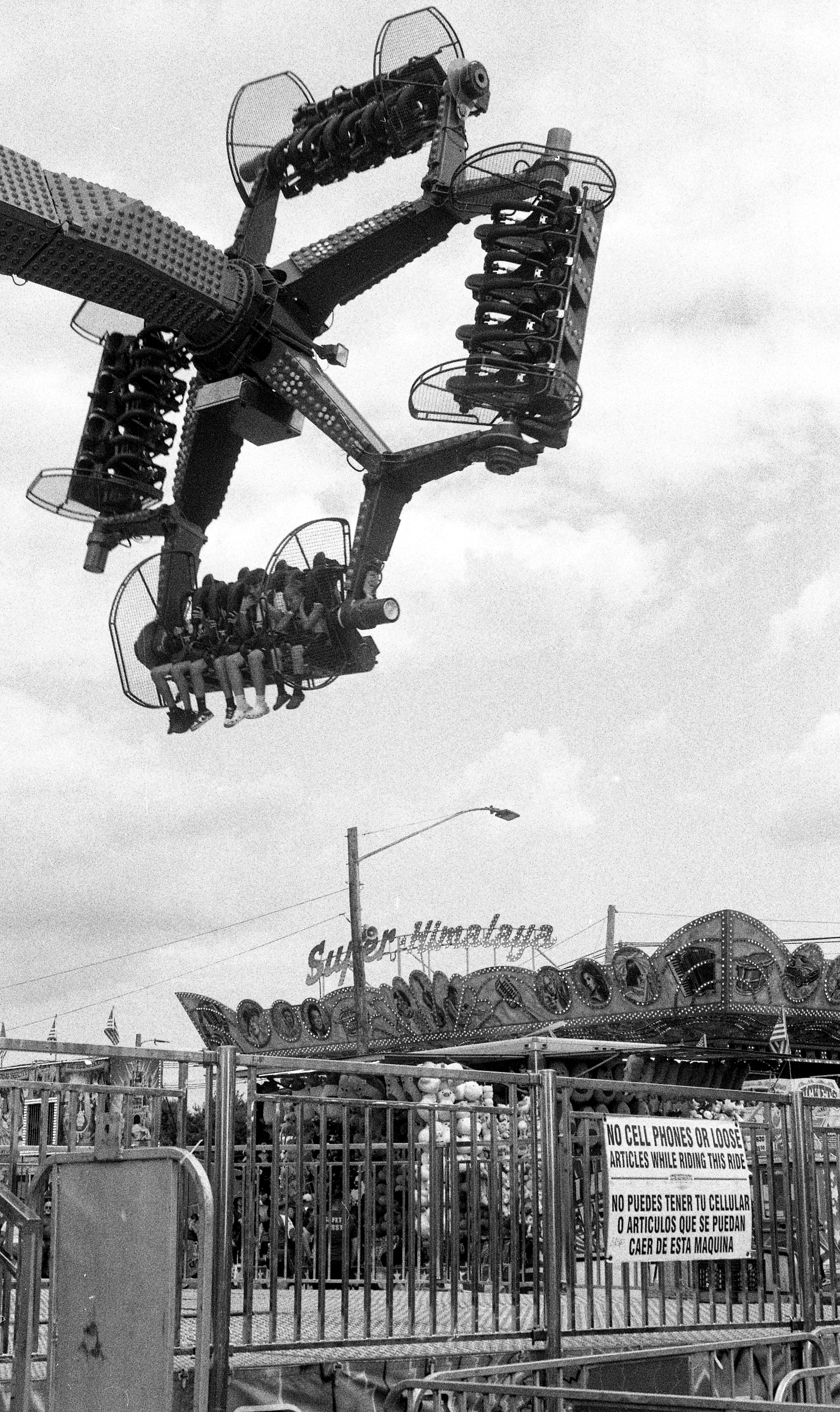
Caption Our trip to the Berlin fair was certainly well worth the photos that came out of it. I’m not quite sure which is my favorite. To me these photos are certainly less experimental than some of those below, but they feel a lot more dynamic than many of my previous shots.
The iif is a far more minimalist camera than many of the others I’d been using. In a sense it distills photography down to the bare essentials. It offers no assistance and says nothing when a mistake is made. It gives you its full trust and simply opens the shutter when you tell it to. Perhaps because of this, at risk of melodrama, my Barnack Leica feels much more like an extension of my imperfect, human vision, both physical and creative. In a world of countless automated and computerized systems and men, all vying for your attention, all offering their opinions as advice, all trying to shape your perspective and decisions, the Leica iif feels like stepping outside on a cold winter morning and hearing nothing but the wind. It’s just you and your ability to envision, frame, expose, and capture the world around you, to simply “put a frame around it” as Garry Winogrand once said.
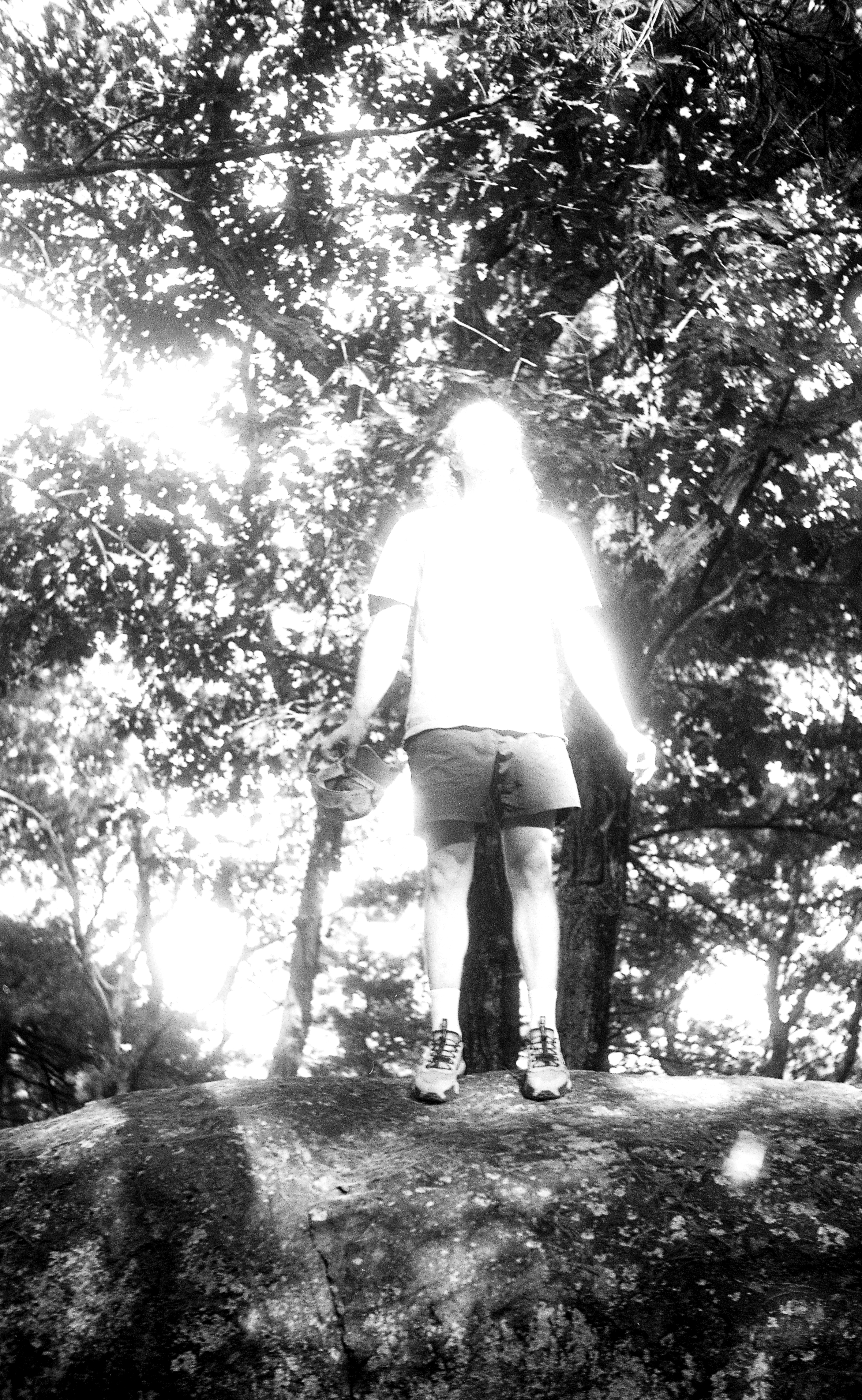
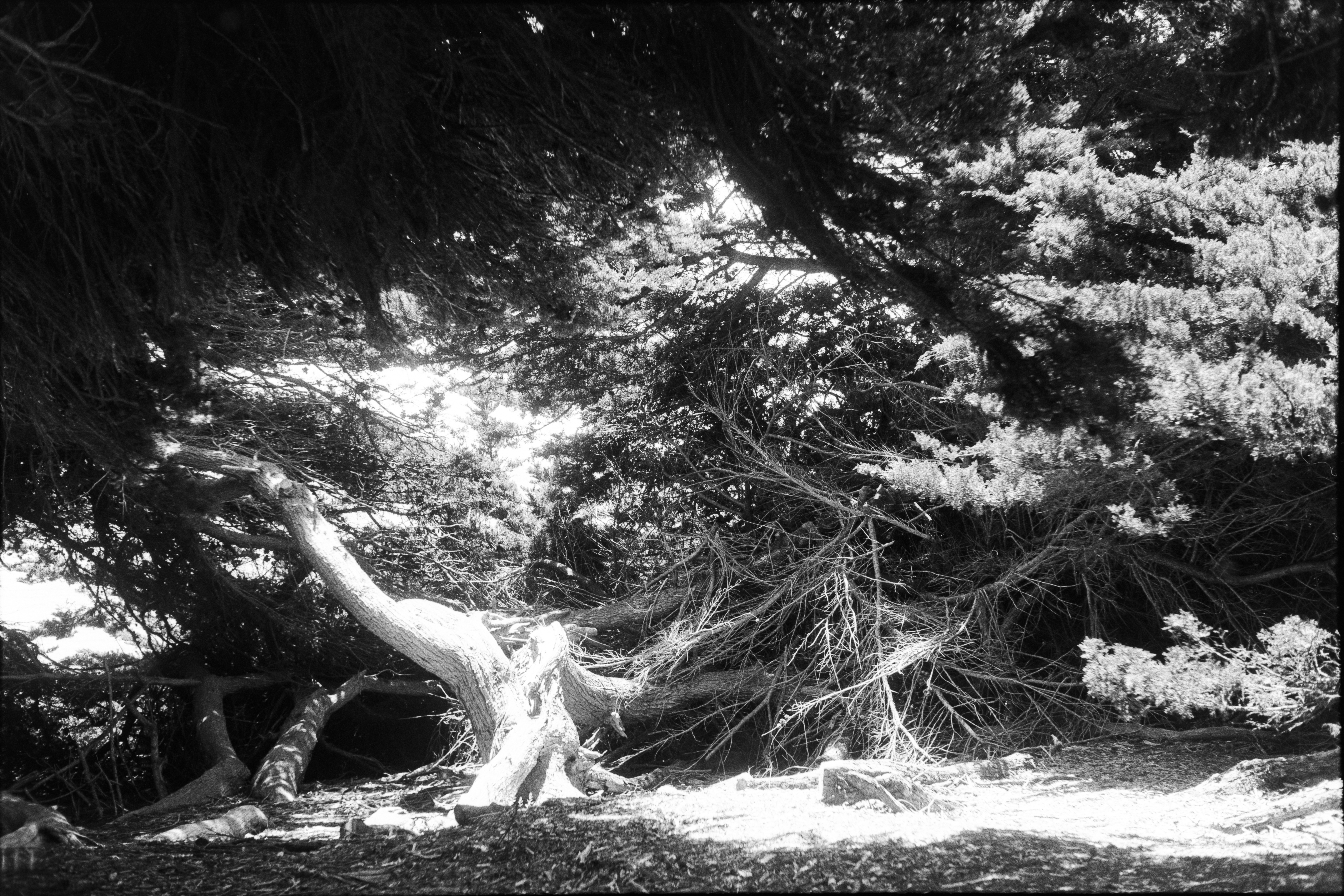
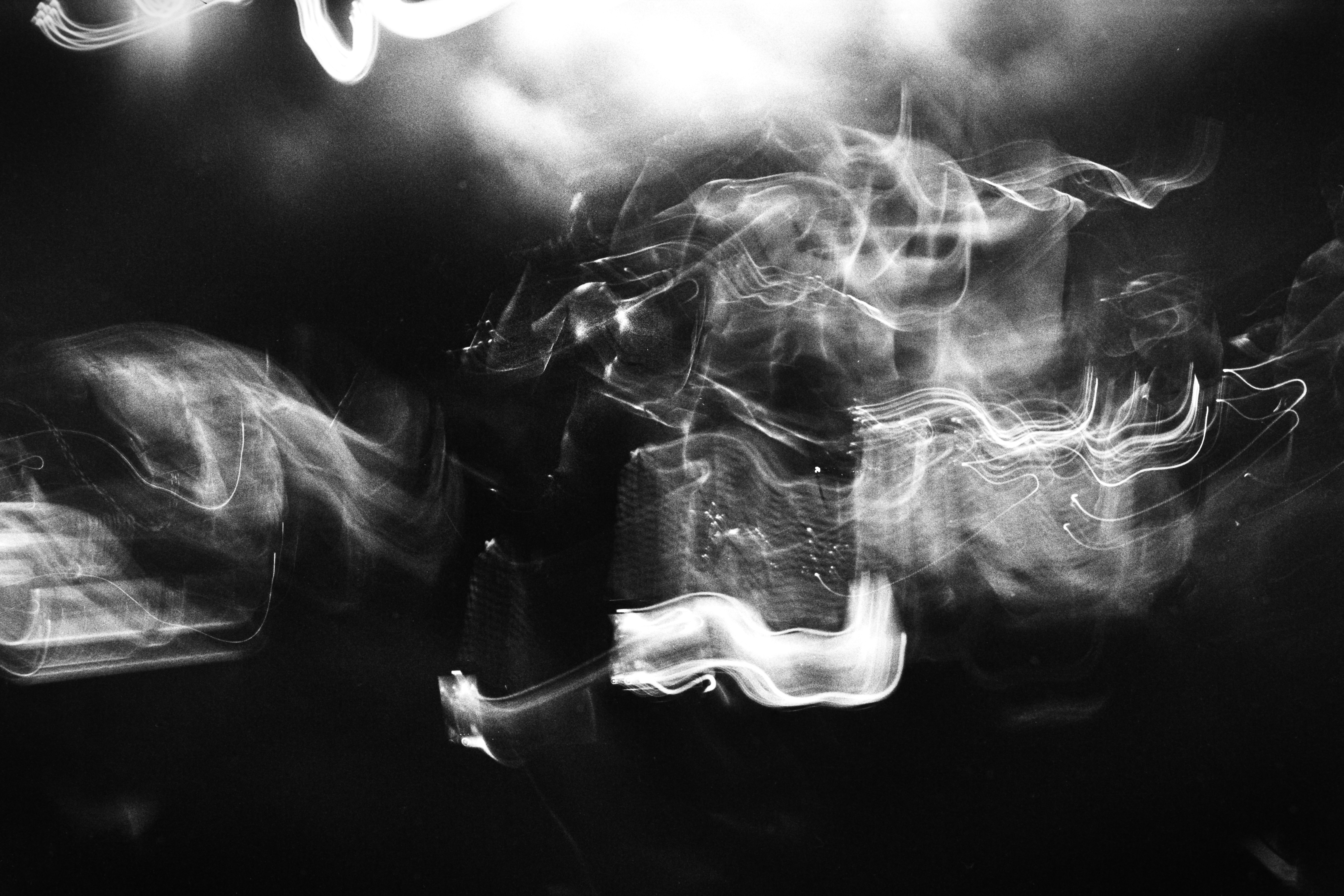
Caption With the iif I’ve also been able to experiment a bit more with selective and weird exposure settings. I’ve really been enjoying over-exposing extreme highlights or trying to make something out of very low light situations with bulb exposure.
Anyways, I’m probably getting too carried away with all of this, but I do feel I’ve made a more serious and genuine connection with my Leica iif than I have with any other camera or piece of equipment, and I feel it goes beyond the mere prestige and legacy of the Leica name. These cameras are truly and utterly special. They were designed with decades of operation in mind by engineers with both artistic and practical sensibilities. The pure elegance and efficiency of its design draws your attention because you immediately know what it is and can tell what everything is for. There are no extra buttons, settings, or features — Just shutter speed, focus, and f-stop, photography in its most stripped down yet versatile form.
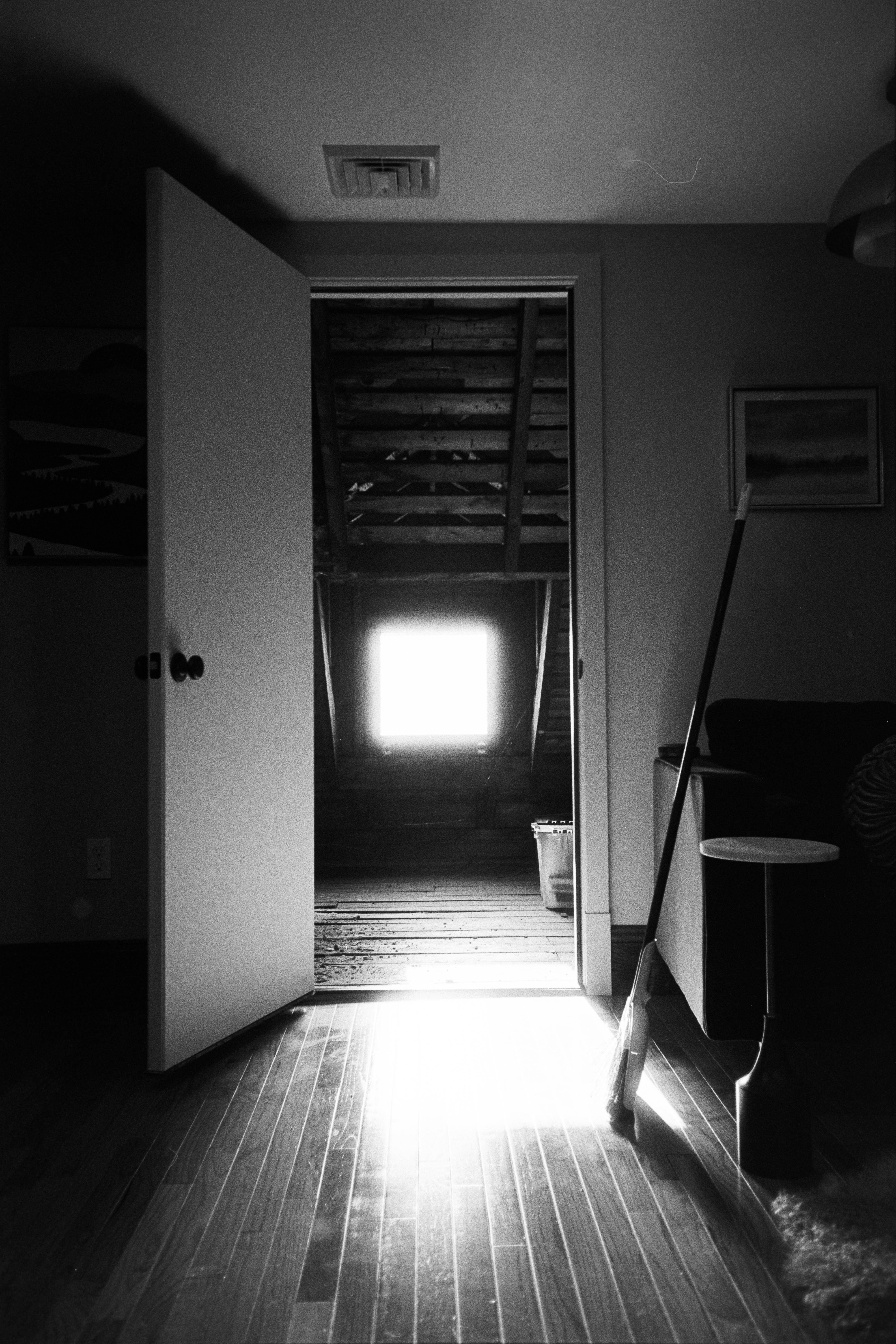
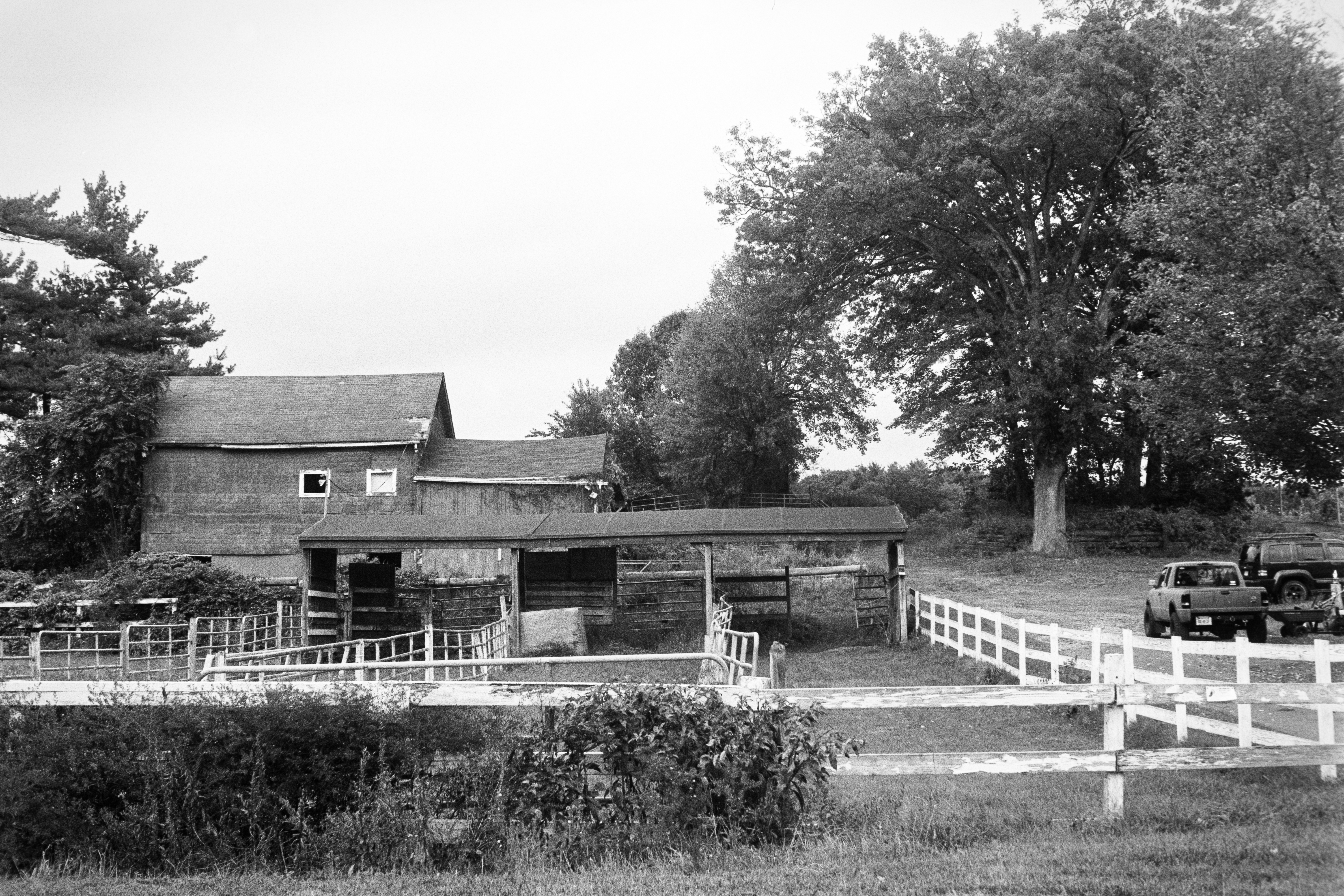
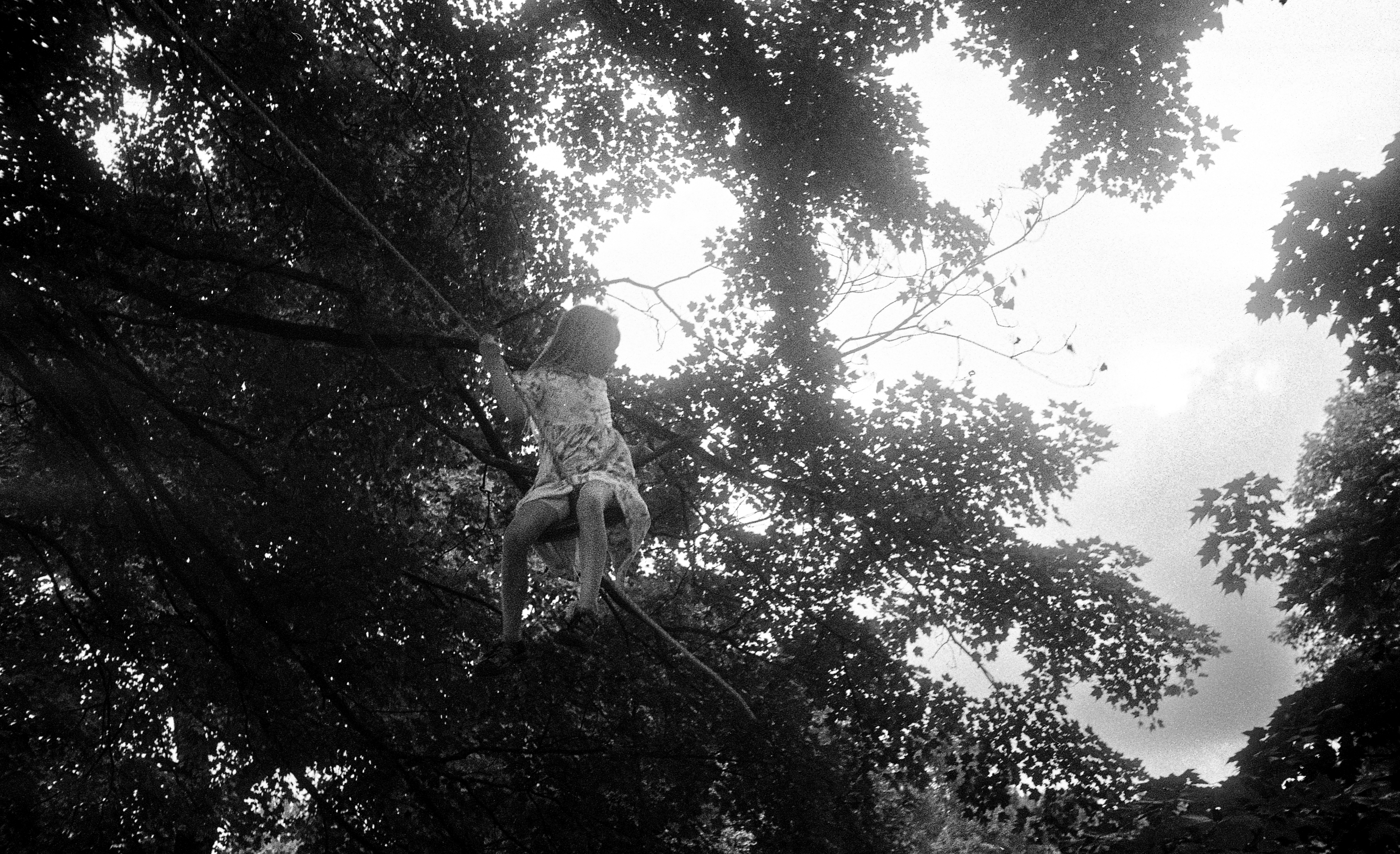
Caption Some more photos I’ve been enjoying out of the iif. Both the Elmar and Sumaron lenses have such high micro contrast and character that it makes even mundane scenes pop, not that I’m calling these scenes mundane. I particularly love how highlights bleed into the surrounding, giving a more magical feel. The Leica always manages to eek out more detail than any of my other 35mm cameras and lenses, it’s really impressive.
In addition to all that melodramatic praise, what really sold me on this camera is the practical portability of it. Equipping the collapsible Elmar 50mm f3.5 lens lets the iif slip into my pocket just as easily as my phone or wallet. It can be brought anywhere, without complaint or compromise, while remaining hidden from those nearby. Watching digital photographers, with their collections of massive zoom lenses and bulky camera bodies, makes me feel proud of my compact range finder, like we’re breaking the system together.
This isn’t to say my relationship with the iif has been one of perfection. In fact, it got off to a very rough start. While it did indeed work straight out of the box from KEH, it certainly hadn’t been internally cleaned or adjusted for a long time. This meant all the internal lubricants started to slow down once I brought it on a trip to Vermont over the winter, leaving dark streaks across my photos which would haunt me for some time. It all culminated in my trip to Europe after which two whole rolls, including one with Ektar 100 which I had saved for a special occasion, came back completely blank. The time had come, I brought the camera to Youxin Ye, the legendary Leica repair man, who did his work. Unfortunately, while I did get pictures back this time, the streaks remained at higher shutter speeds. Luckily, I live quite close to Youxin, so he took some time to adjust the timings further. He warned me that my camera may be too old and overused to completely fix the shutter speeds and prevent streaking, he said “You can’t drive an 100 year old car and expect to go 100 miles per hour”. So I’ve shot at 1/200 or slower ever since.

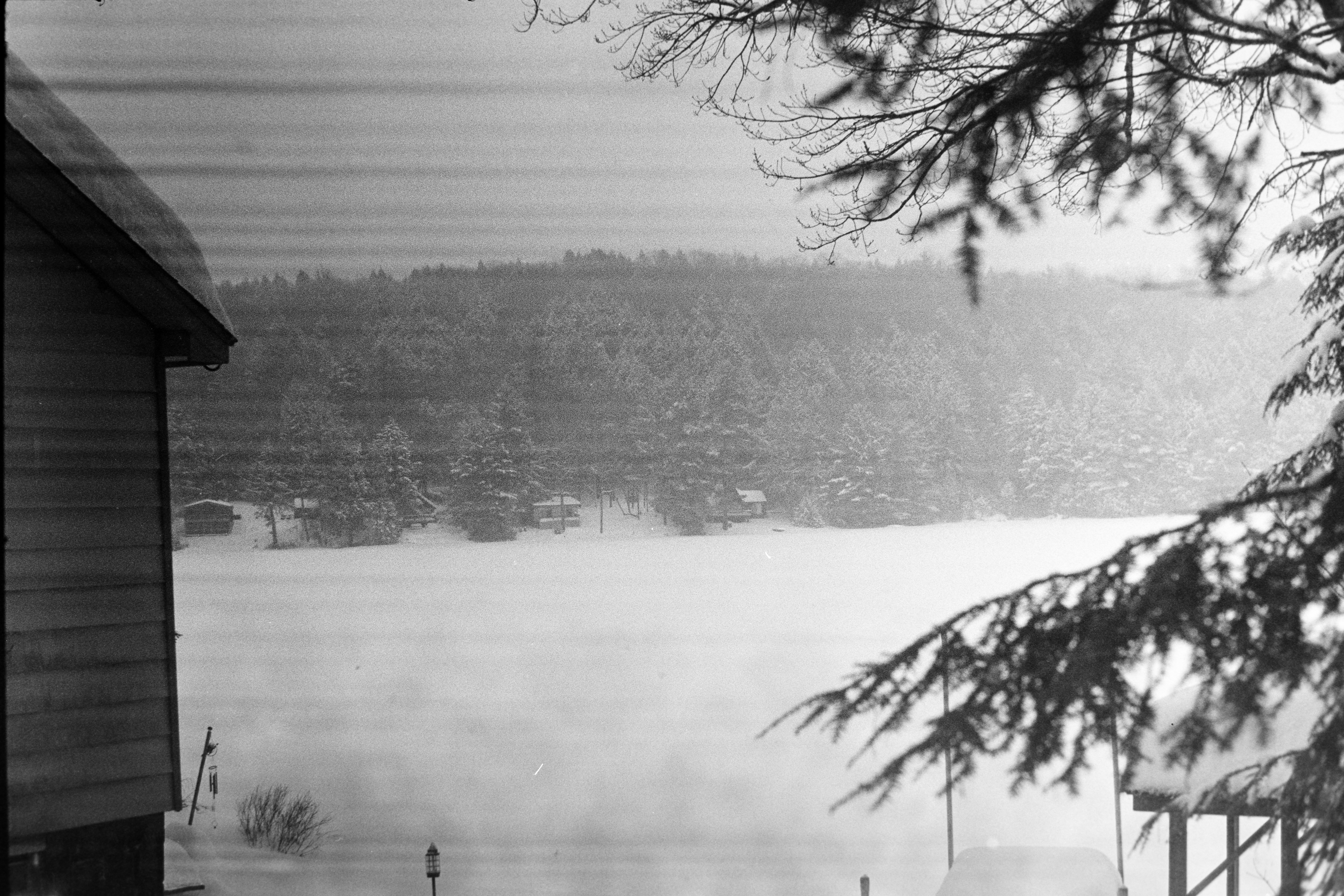
Caption Examples of the mechanical issues I’ve been having with the Leica. In the left image we see a pretty aggressive light leak on the bottom left corner that I tried to smooth and darken away digitally. In the right shot we can see the streaking issue I’ve been talking about. Seemingly both of these issues have since been solved by Youxin Ye, but I still don’t trust the camera at shutter speeds faster than 1/200.
Despite all this hassle, the Leica iif is still my favorite camera in my collection. The ability to just throw it in my pocket, along with a light meter, is just so convenient that I can’t really imagine shooting anything else, let alone return to the Minolta X-700. Some of my favorite photos have come out of the iif as well, there’s something about the character and contrast of the 50mm Elmar and 35mm Sumaron lenses that make the photos feel special. Maybe I’m just biased by name value and my improved eye as a photographer, but I do think these lenses made Leica famous for a reason.
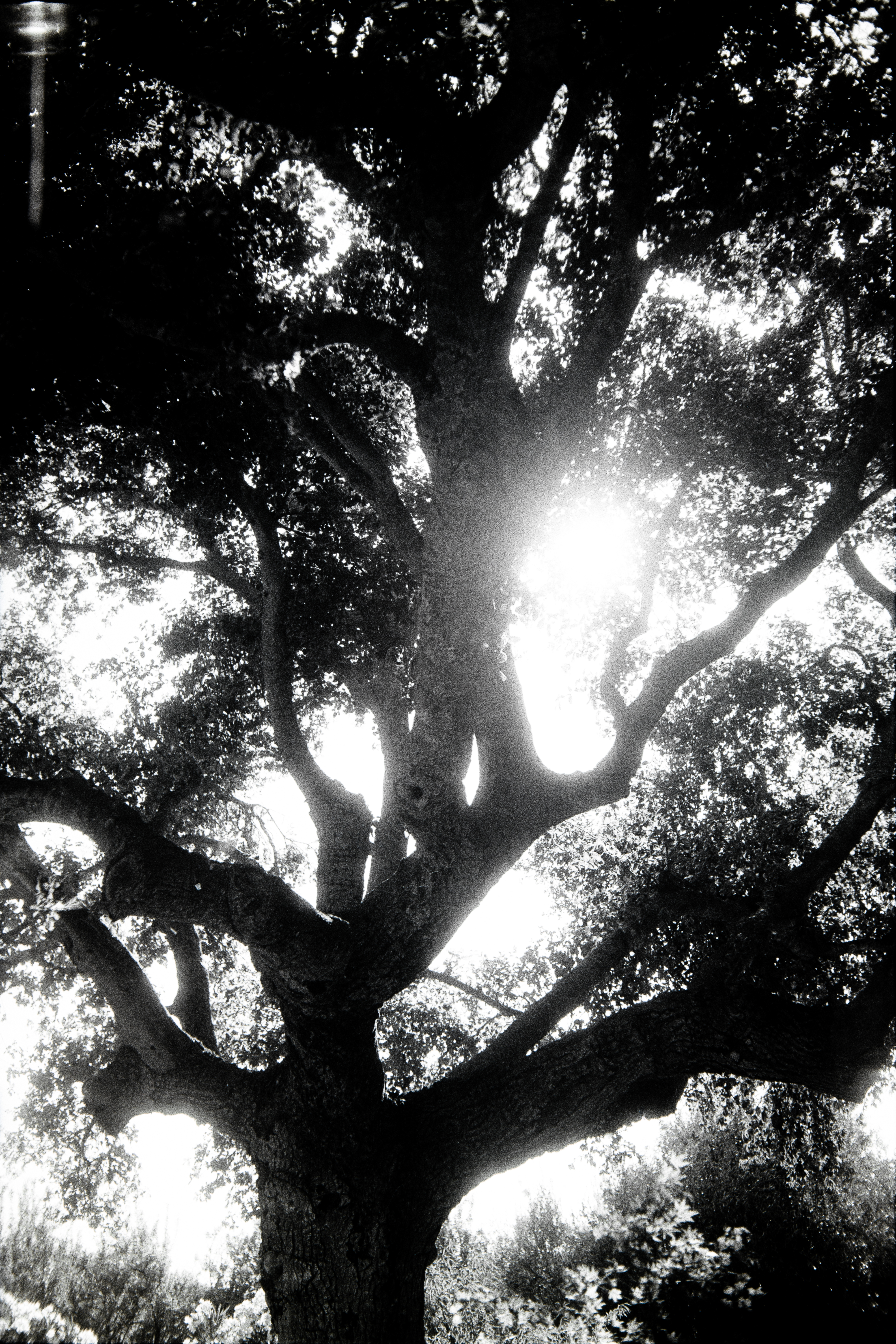

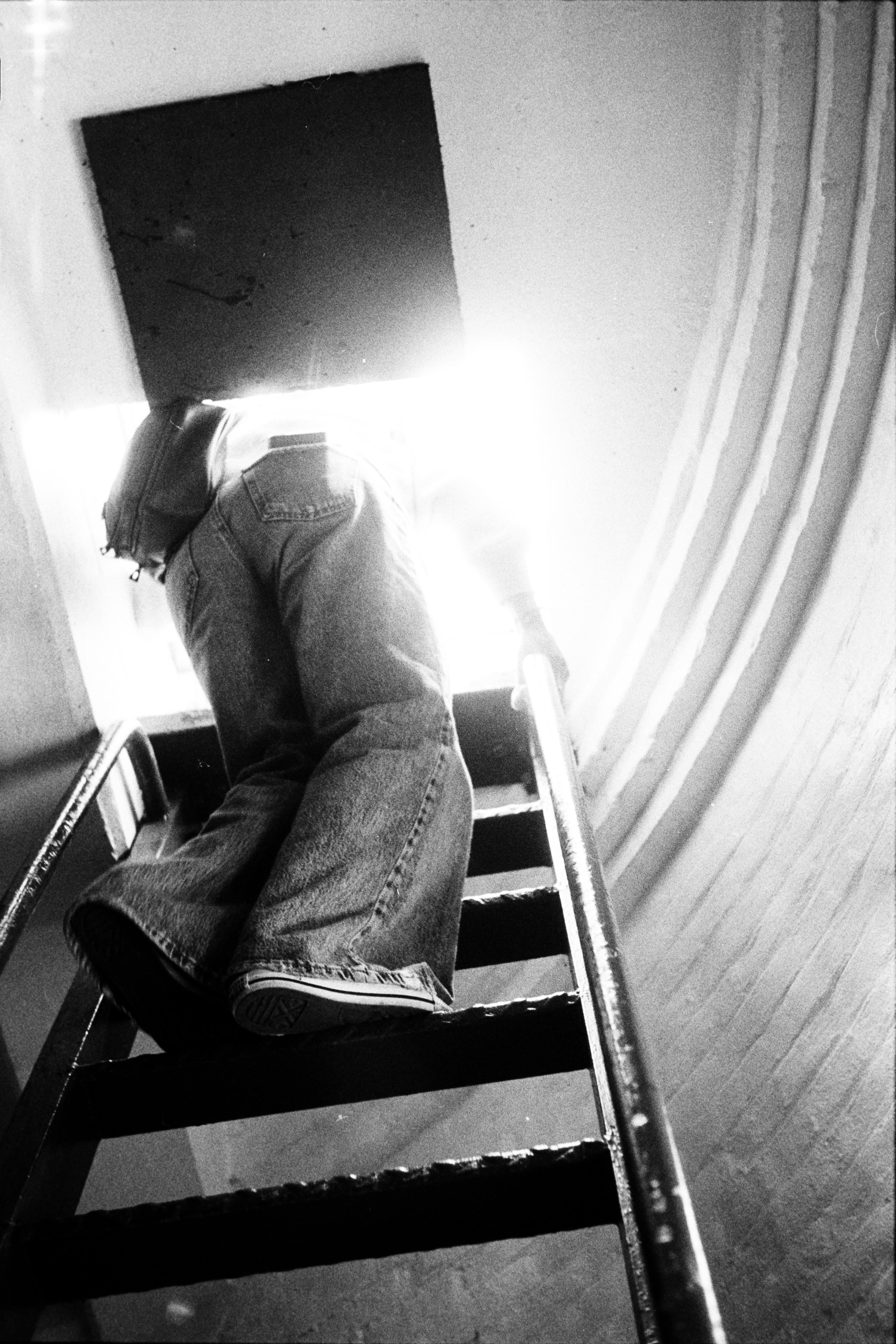
Caption Some vertical photos out of the Leica. The right and left pictures show that light leak again, but it isn’t too noticeable. Also, the micro contrast on my mom’s pants in the rightmost picture almost makes it look digital. It’s quite impressive for a 1933 lens.
Why Film?
So now you know the, more or less, full story of my last year of film photography. Through all of this there is still one question which may remain in your mind: “why shoot film”. Every film photographer probably has their own answer to this question, but to me it comes down to physical tactility, up-front affordability, artistic freedom, and visual imperfection. All these factors blend into each other but I’ll try and address them directly.
Physical Tactility – The word tactility likely elicits images of physical sensations, but for me it is more about the mind-camera connection. When shooting film you’re more directly engaged with the medium — your mind and the camera’s mechanics feel much closer. With fully manual cameras everything is in your control and determined by you alone. You have to consider your settings carefully without the benefit of instant feedback or preview images. You’re forced to envision yourself, potentially months from now, looking at your negatives as they come out of the development tank, wondering was the subject interesting, the framing correct, the exposure and focus properly set?
This means you’re also far less liberal with the shutter button. Every shot costs a non-trivial amount and takes about 2 hrs to develop, scan and edit. Wasted shutter presses mean more wasted time and money down the line. But with this time spent comes a deeper connection with the end result. When photos come out well it feels like a triumph, everything from the framing, exposure, development, scanning, and editing is yours alone to claim. It’s hard work, but it pays off.
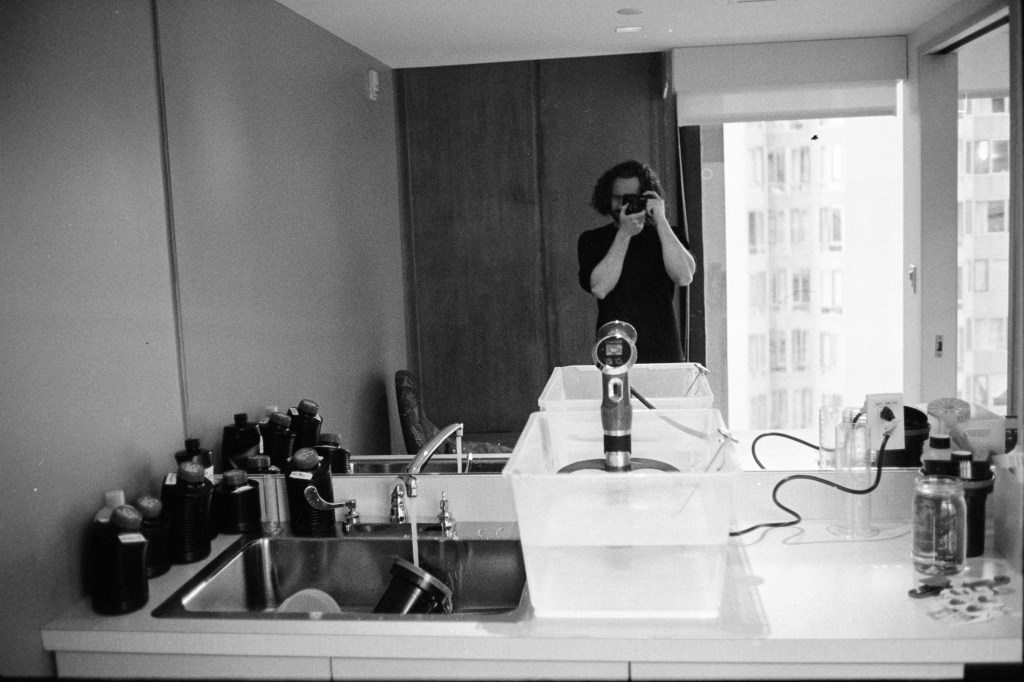
Caption The not-so-dark room setup I used with Jack at work. Janky setups like this are what I love about film, the rules are always bent.
Up-Front Affordability – Some readers, more familiar with film photography, might scoff at the premise of this hobby’s affordability. That’s why I carefully chose the qualifier “up-front”. It is true that the overall cost of buying, developing, and scanning film does add up, likely to prices above even the most expensive digital cameras given enough time. But this doesn’t overcome the cheap nature of the second-hand camera market, where you can get 4 full frame (35mm), manual camera bodies and multiple lenses for under $400. There’s also certainly something addicting and fun about scouring Ebay for good deals and diving into long-forgotten forums for advice and opinions. Again, you get a much more “self made” feeling with your gear, you had to dive into the archives and do your research yourself. There are no over promising camera ads trying to steal your attention or sway your opinion.
Artistic Freedom – This point ties in pretty closely to the “Physical Tactility” section. As I’ve mentioned twice now, everything leading to the final product is your making alone. On a fully manual camera there are no automatic systems to auto-focus the lens for you, adjust the exposure, or tell you how your shot should look. You’re fully on your own, and in many ways this is incredibly freeing.
Especially now, with the invasion of AI technology into everything we use, it’s nice to work with a system that fully trusts you. I think many digital photographers may see automatic settings as freeing since they allow one to “just focus on framing”, but for me it’s actually the opposite. Framing is only one piece of the final product — when you’re forced to engage with every photographic dimension it enables you to reason about how each of them interacts with each other. Of course you can still do all this with digital, but with film you have no other choice.
Furthermore, Entropy in the film process is inevitable and unavoidable from shutter press to scan. It’s in accepting and embracing this entropy that I find the most freedom. You cannot be shackled by a pursuit for the “perfect shot” if you know every picture is going to have imperfections. Many times these imperfections are what make certain photos unique, allowing it to tell another story or hold another meaning.
Visual Imperfection – While “imperfection” may seem like a negative attribute of film photography, I believe it is one of the medium’s greatest strengths, especially on 35mm film. This may feel like an unrelated digression, but consider for a moment some of the most famous and mystifying horror novels/stories: Chambers’ “The King in Yellow”, Danielewski’s “House of Leaves”, and Lovecraft’s innumerable Cosmic Horror classics. Their power comes not from the text they contain, but from the details they leave out. By forcing your mind to fill in the gaps these stories create horrors far beyond the constraints of ink on paper alone. They harness humanity’s most powerful asset, our imagination.
Film, to me, harnesses imprecision in much the same way as these authors. By limiting fidelity your mind begins to fill in and resolve gaps between the silver grains, forming a more personal reflection of one’s imagination. Therefore I believe something has been lost in the constant pursuit of perfection, resolution, and sharpness in modern, digital photography. By clarifying the details of the image and resolving all the ambiguities you prevent the viewer from making an image their own. The truth becomes concrete and indisputable, answers to many questions can be found by simply zooming in.
Of course, this doesn’t mean I believe film is a strictly superior format over digital. Digital photography is excellent when those micro details are important to tell the full story or when precision and speed are a must. I just find the texture and imperfection of film to be more appealing in many cases. Human vision is imperfect, our brain plays countless tricks on us to believe otherwise. So too is our memory flawed. To me film does the best job of capturing these ambiguities and imperfections, creating something that ultimately feels more real and perhaps more human.
Ending Credits
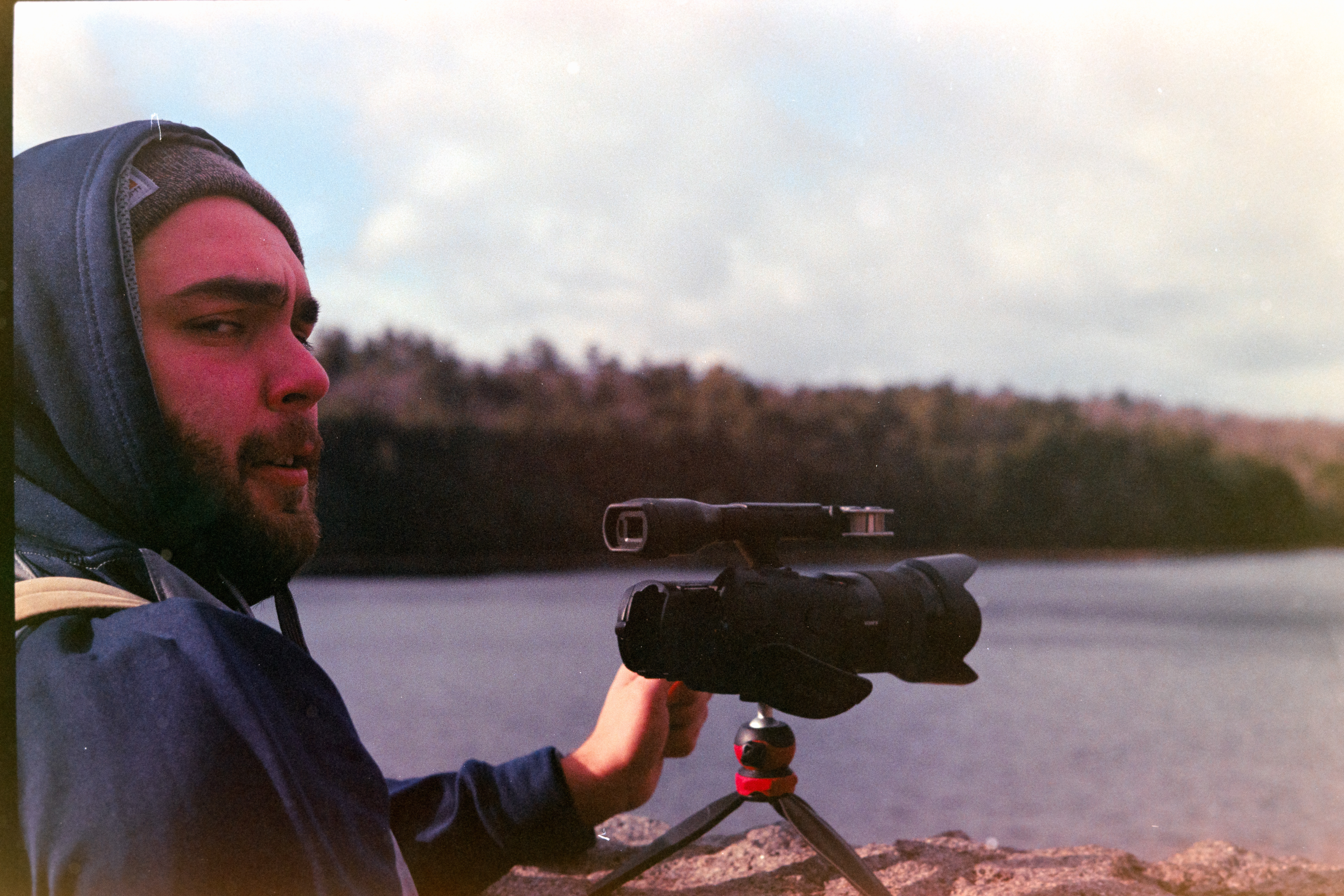
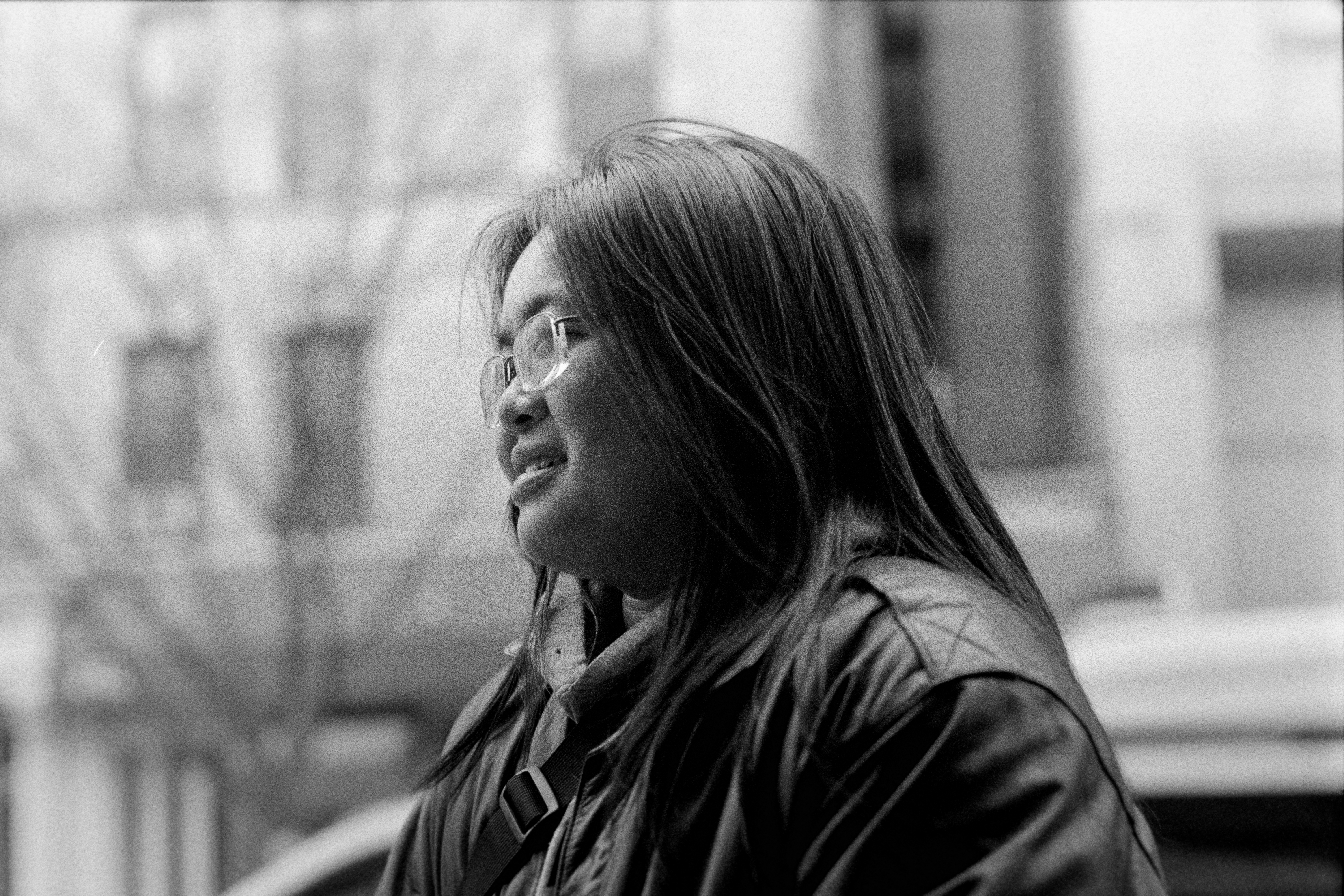
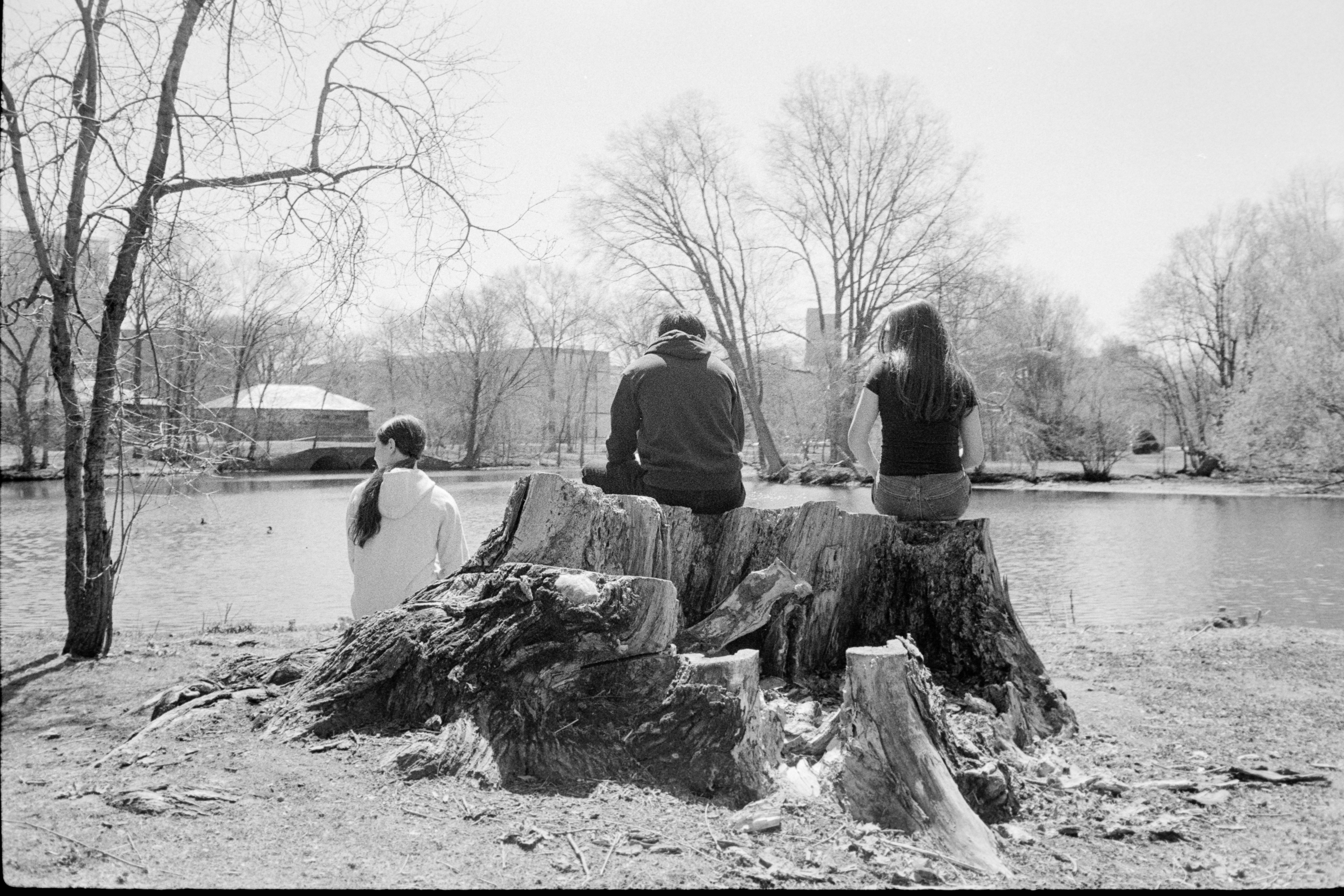
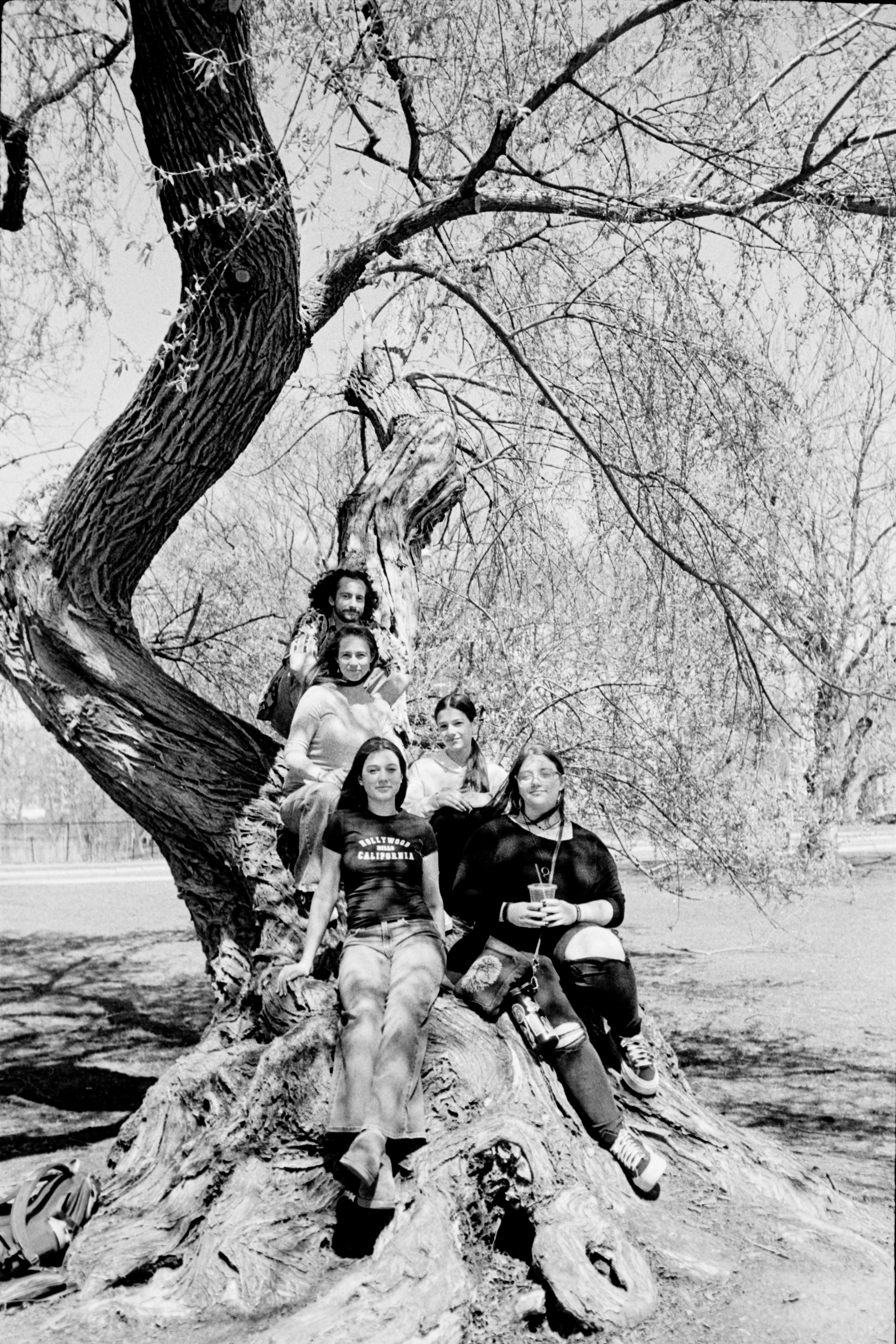
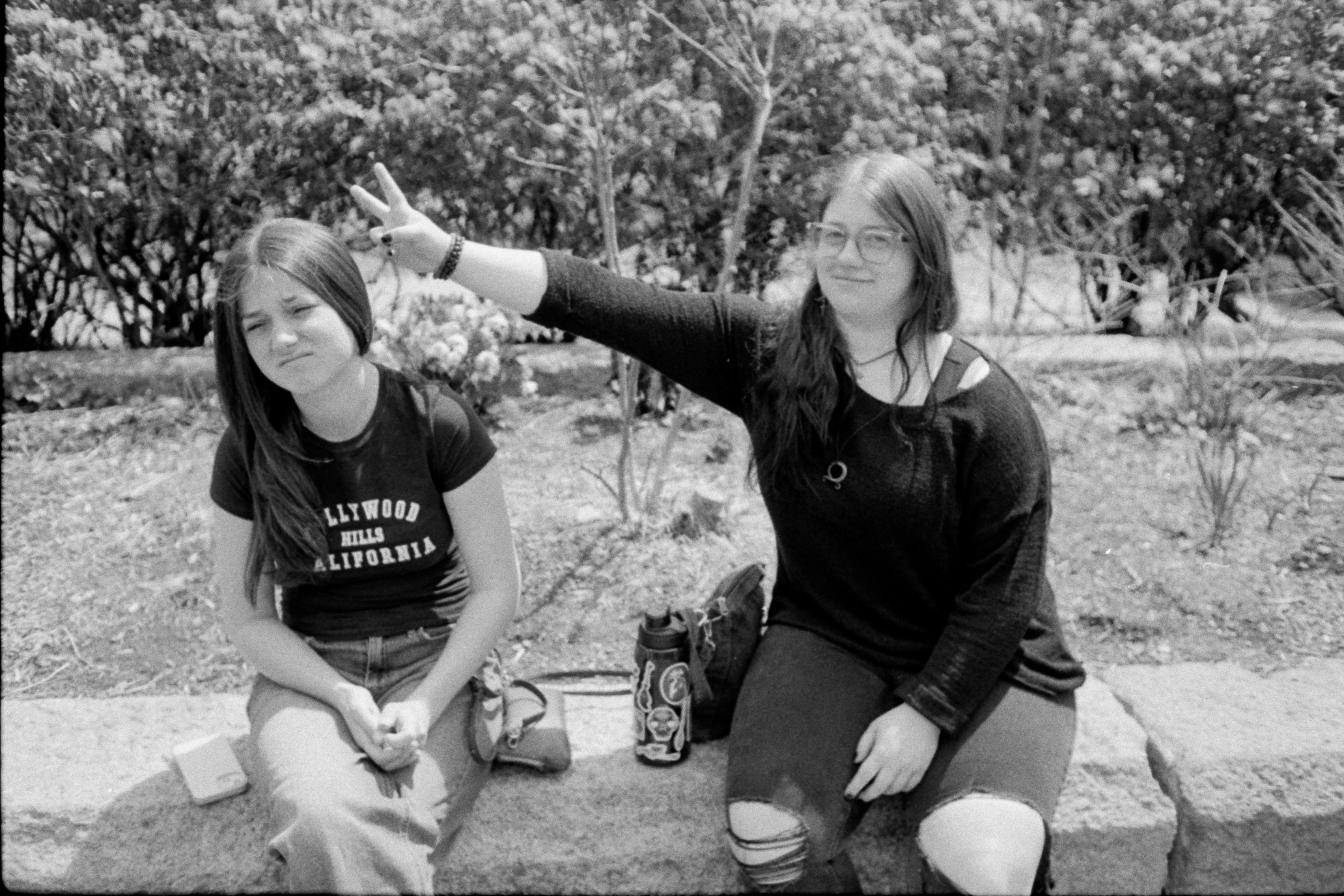
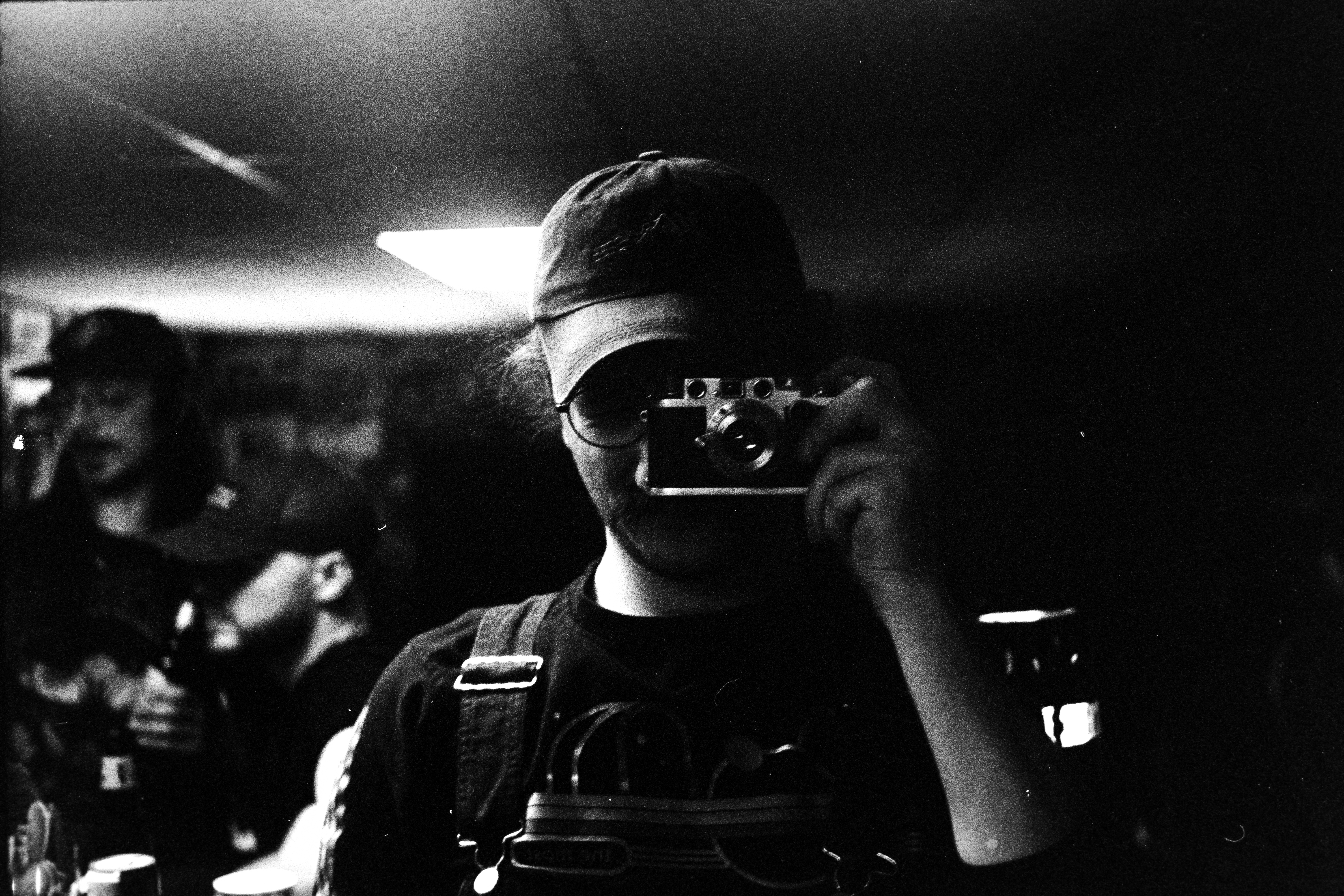
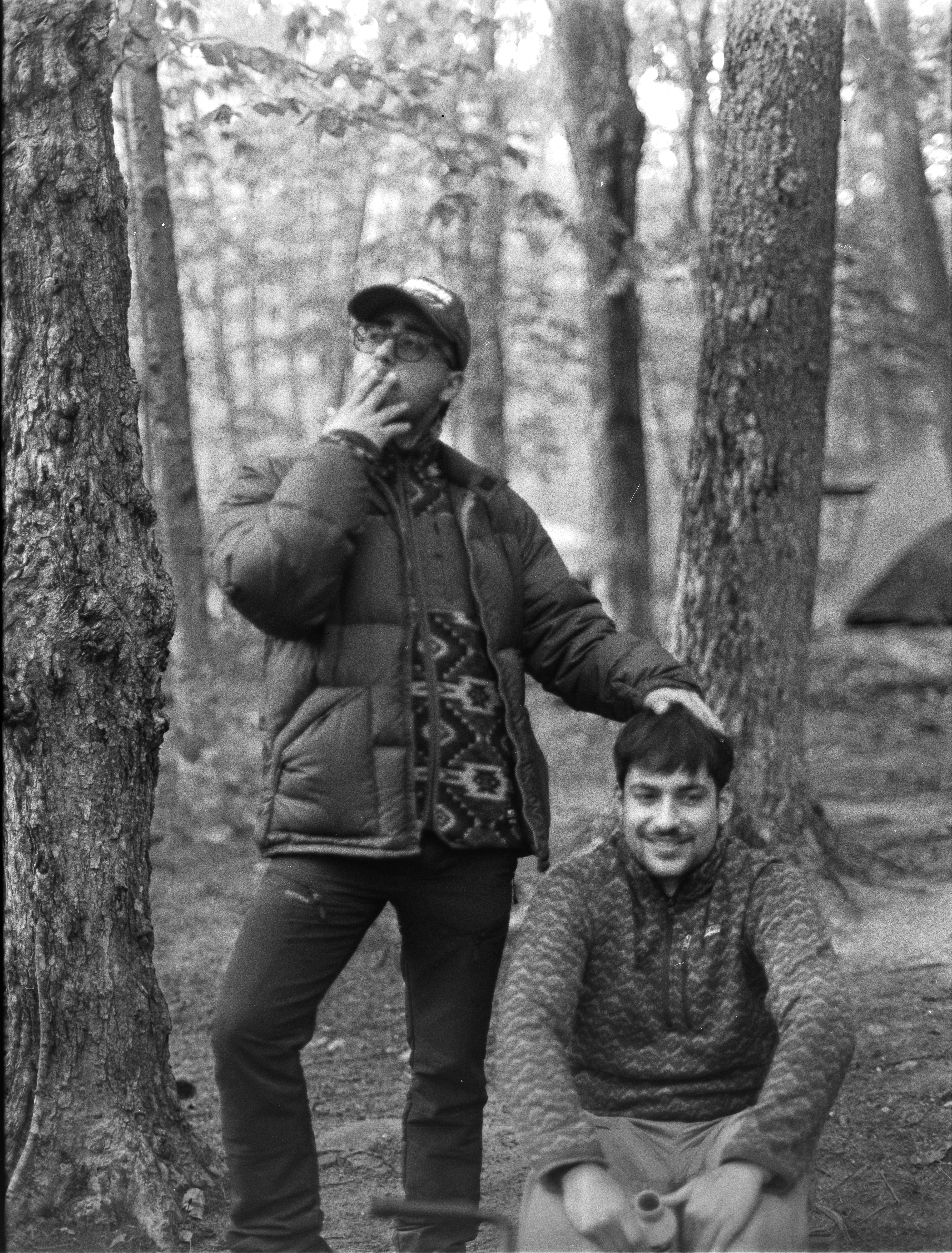
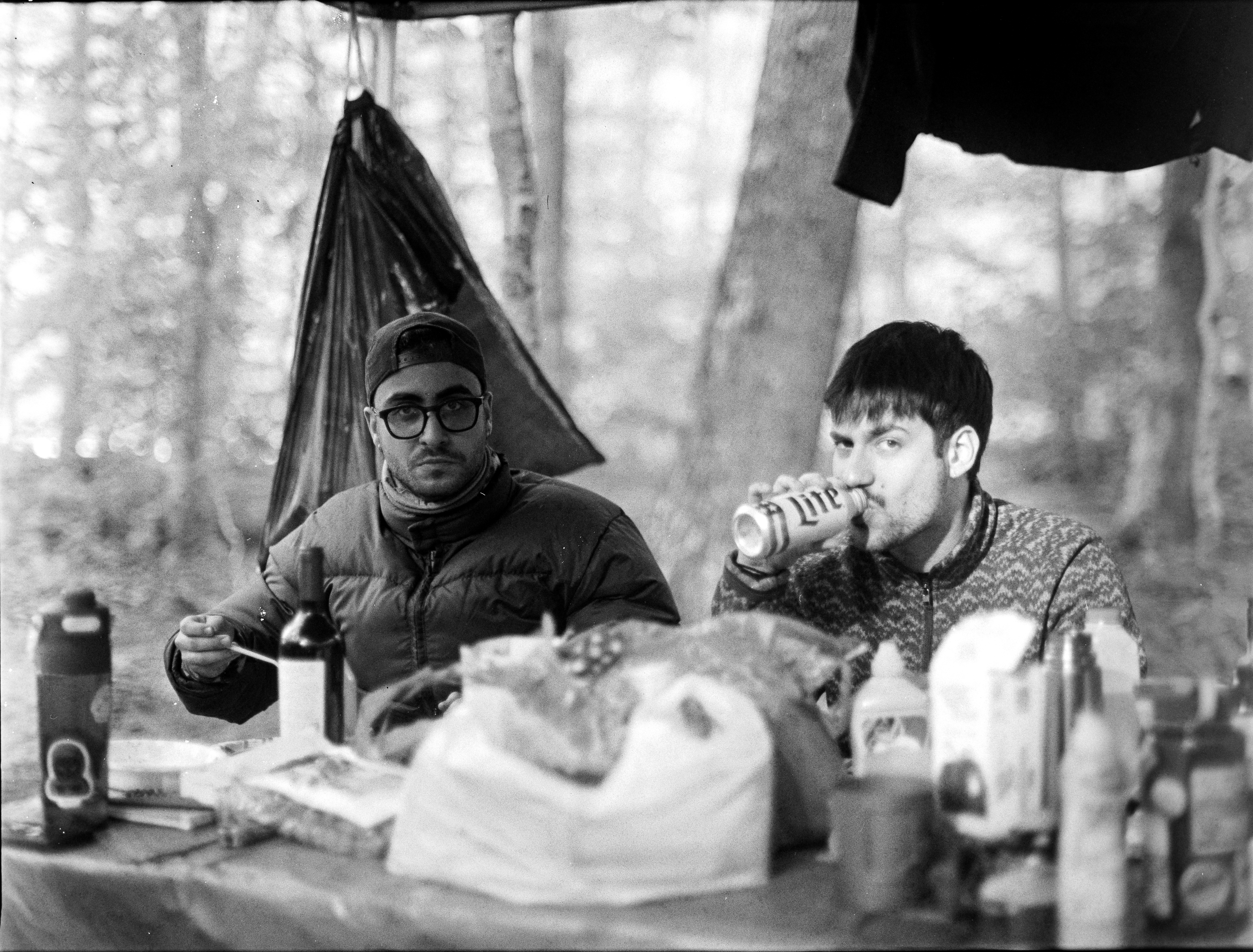
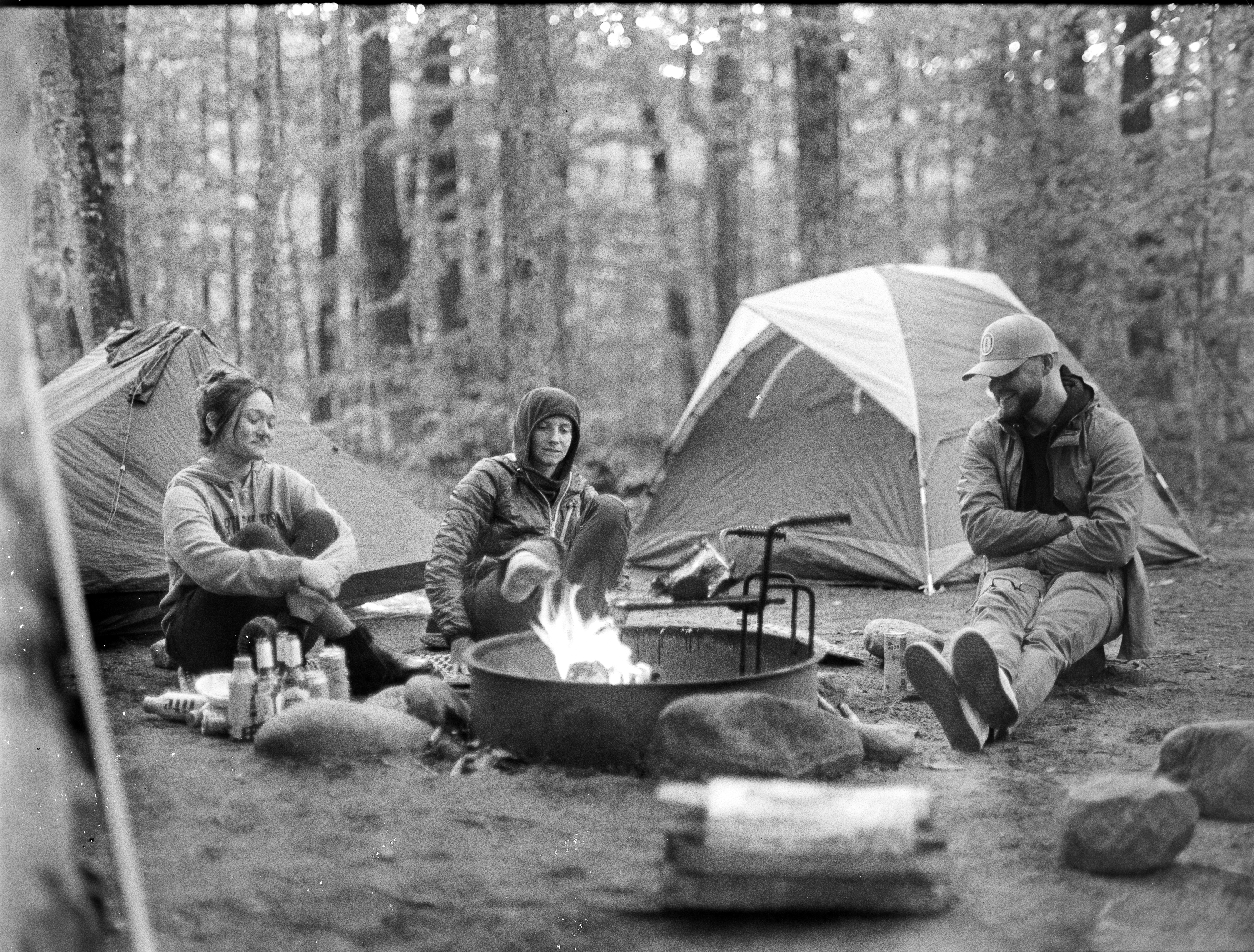
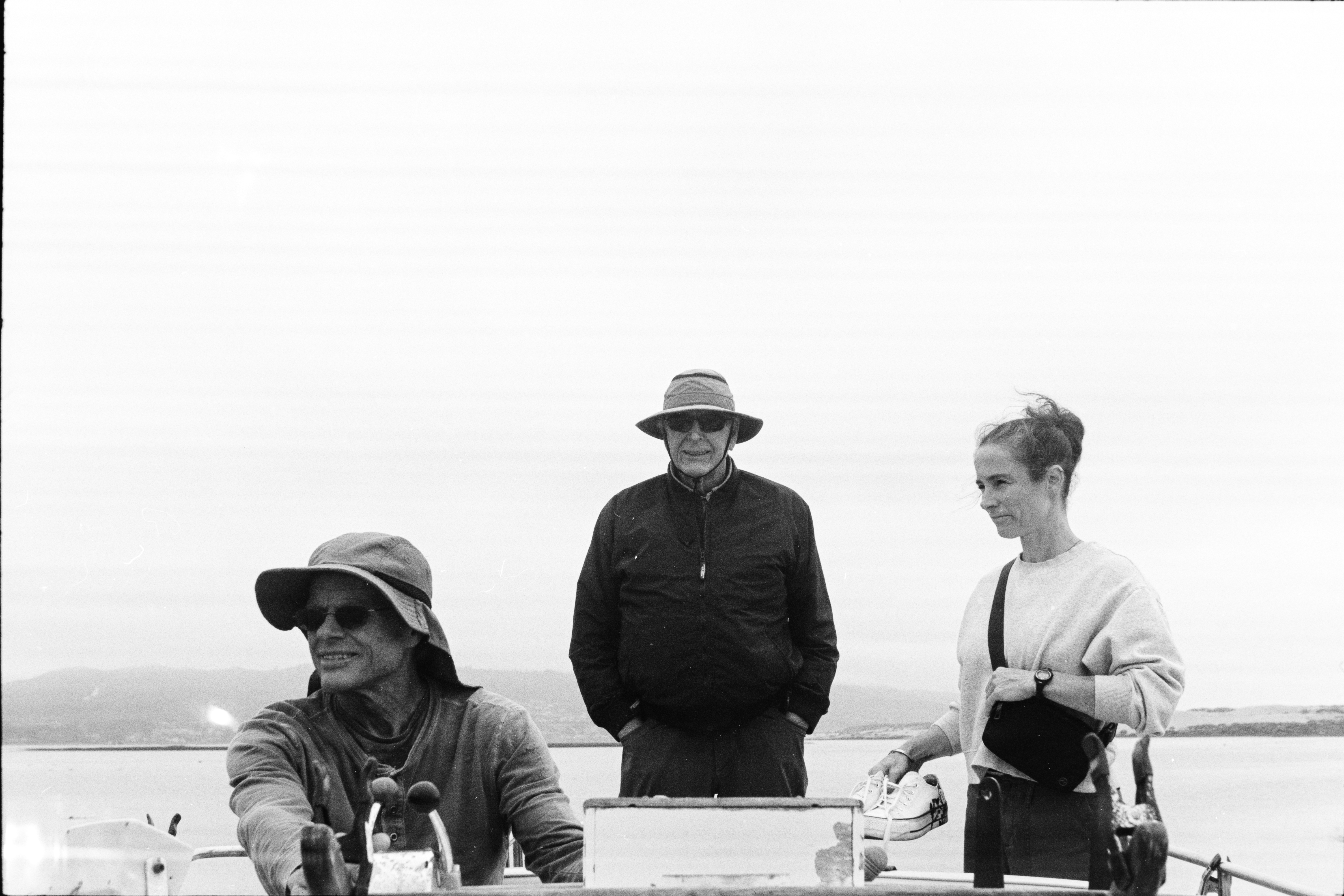
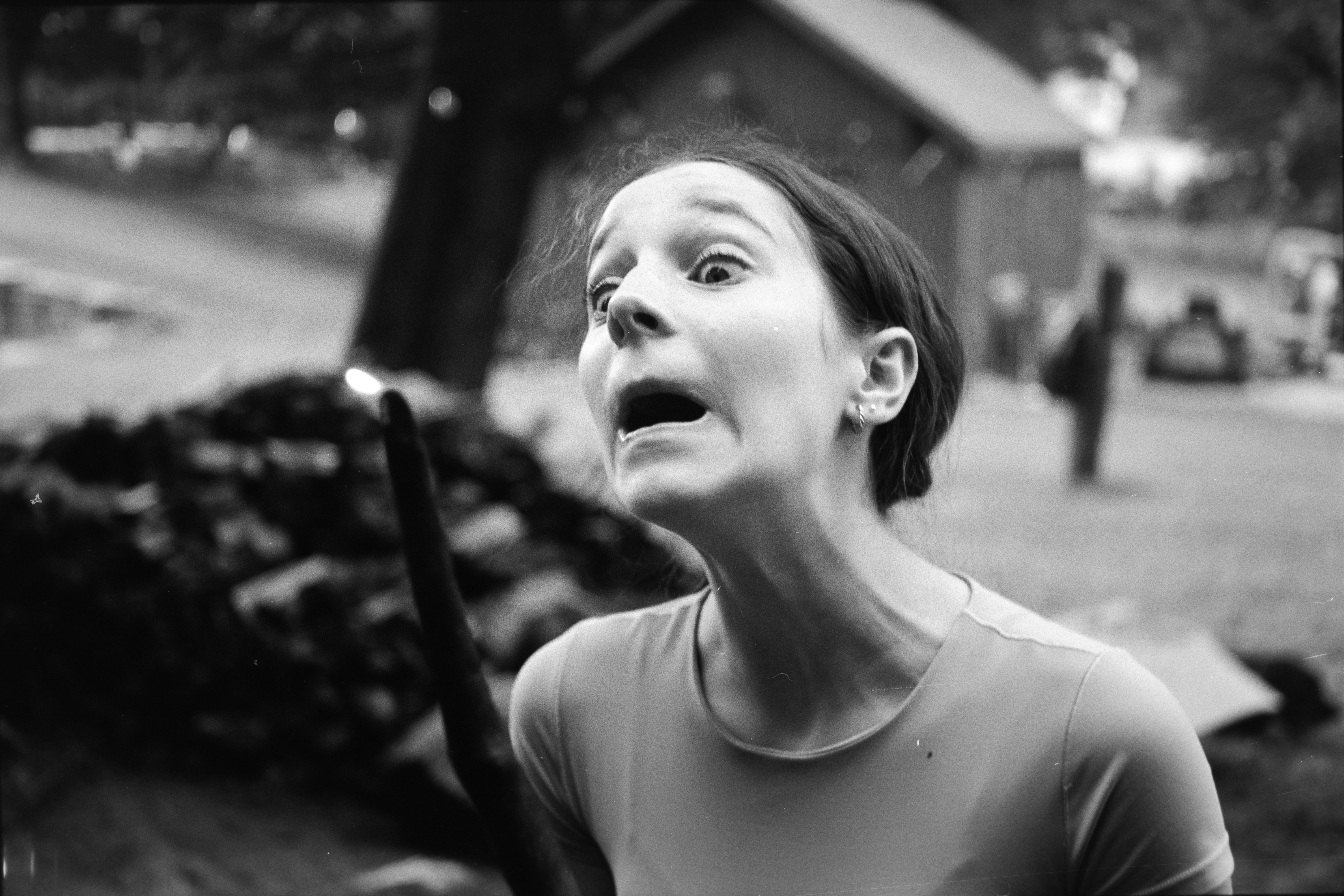
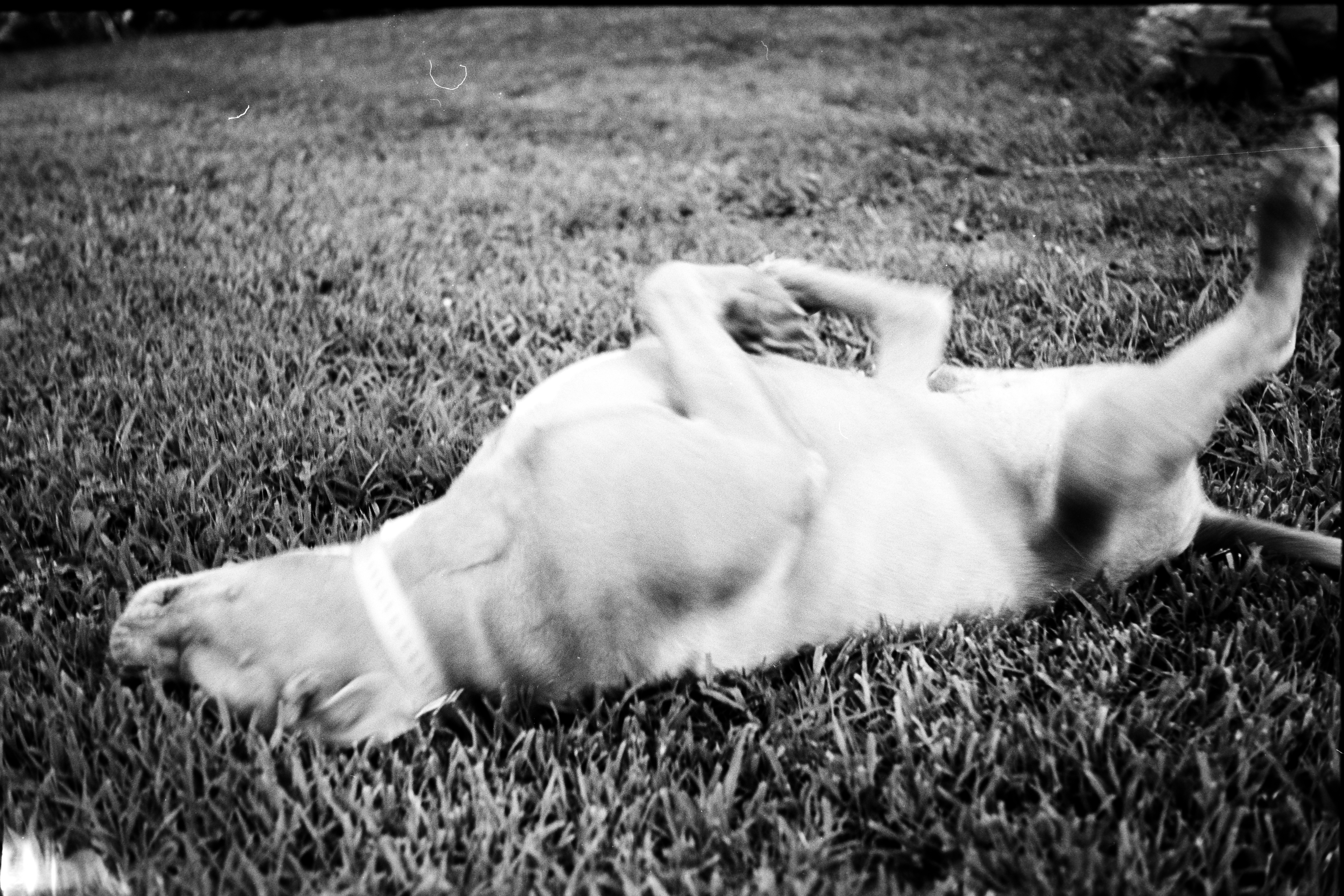
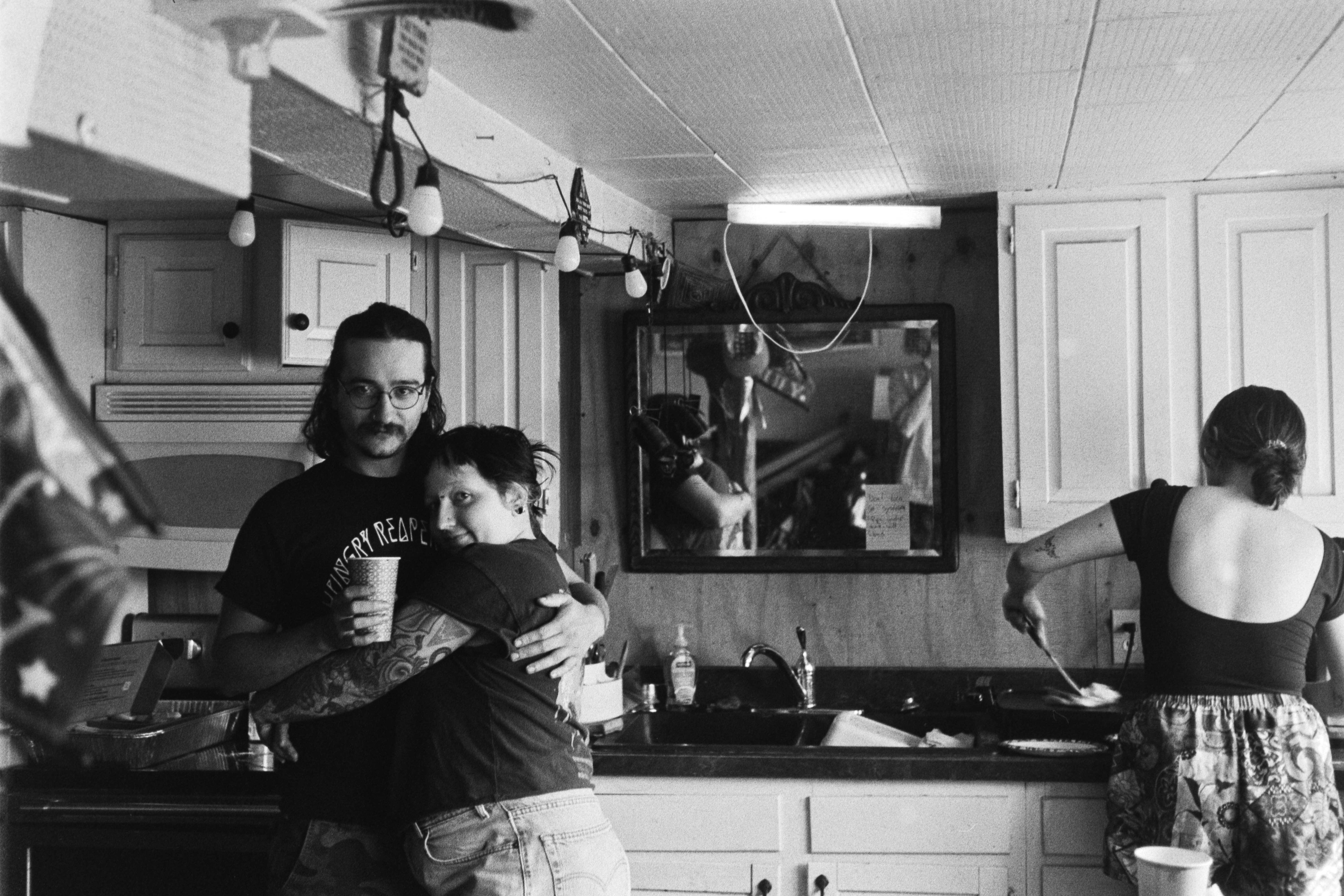
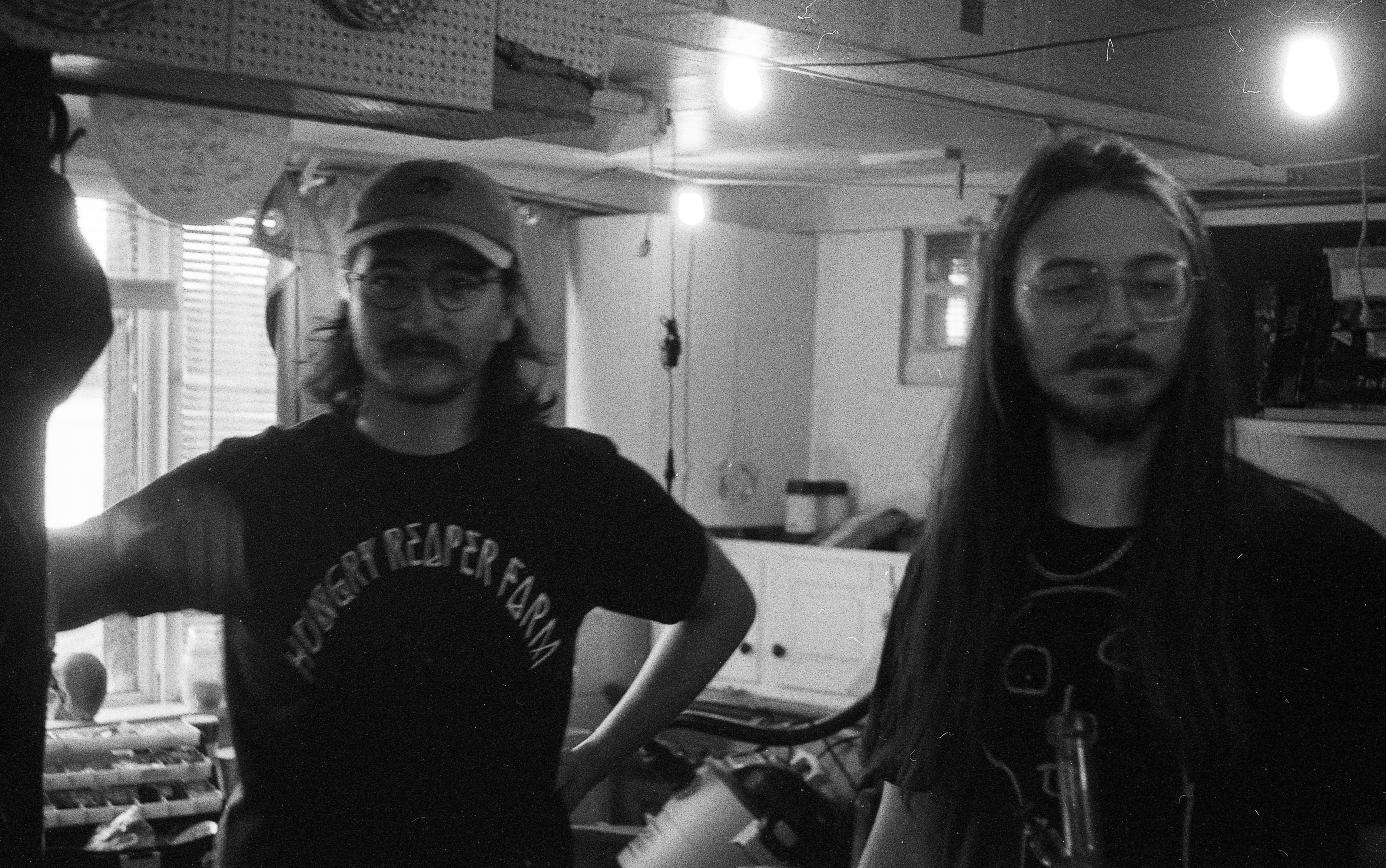
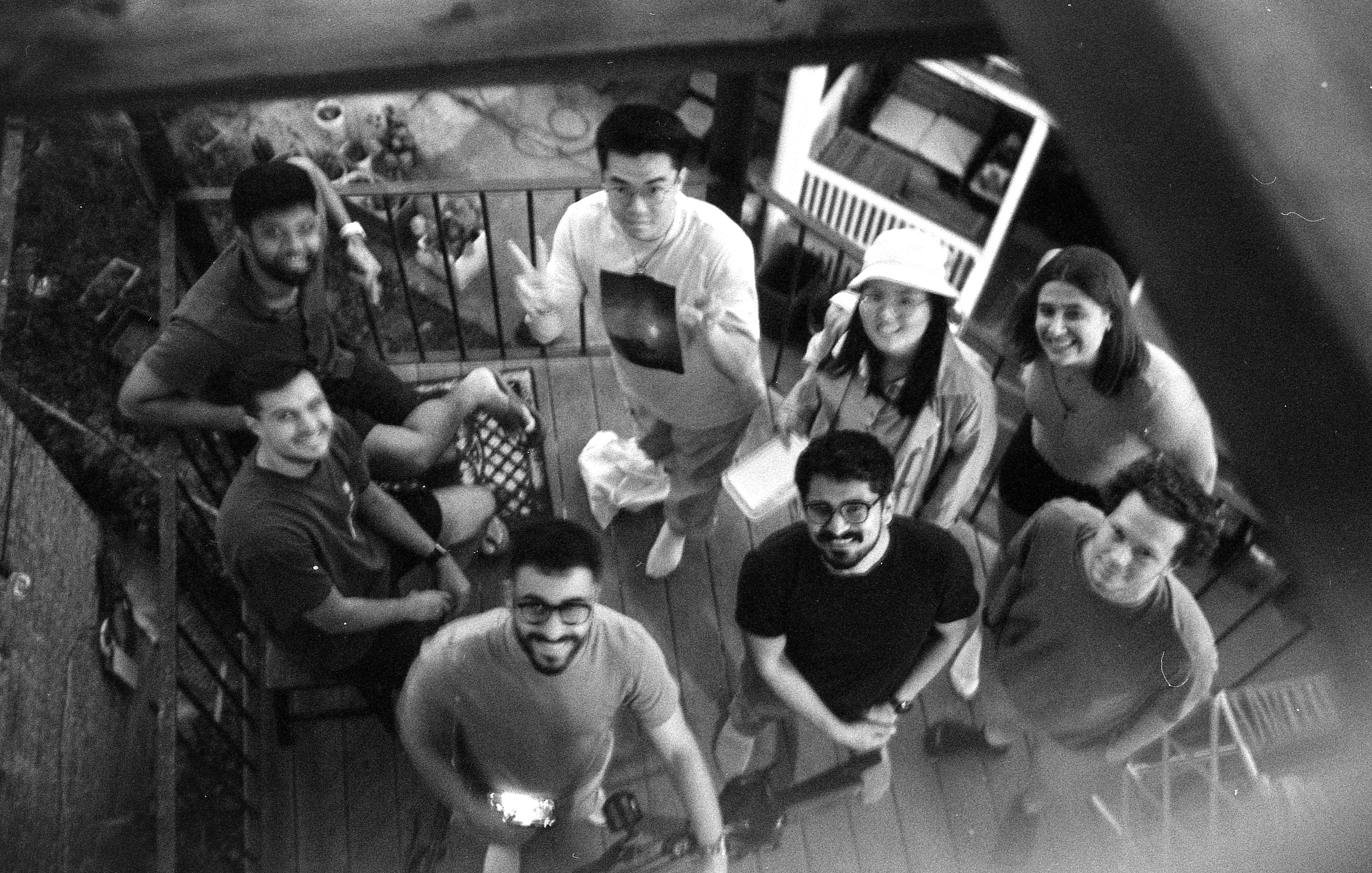
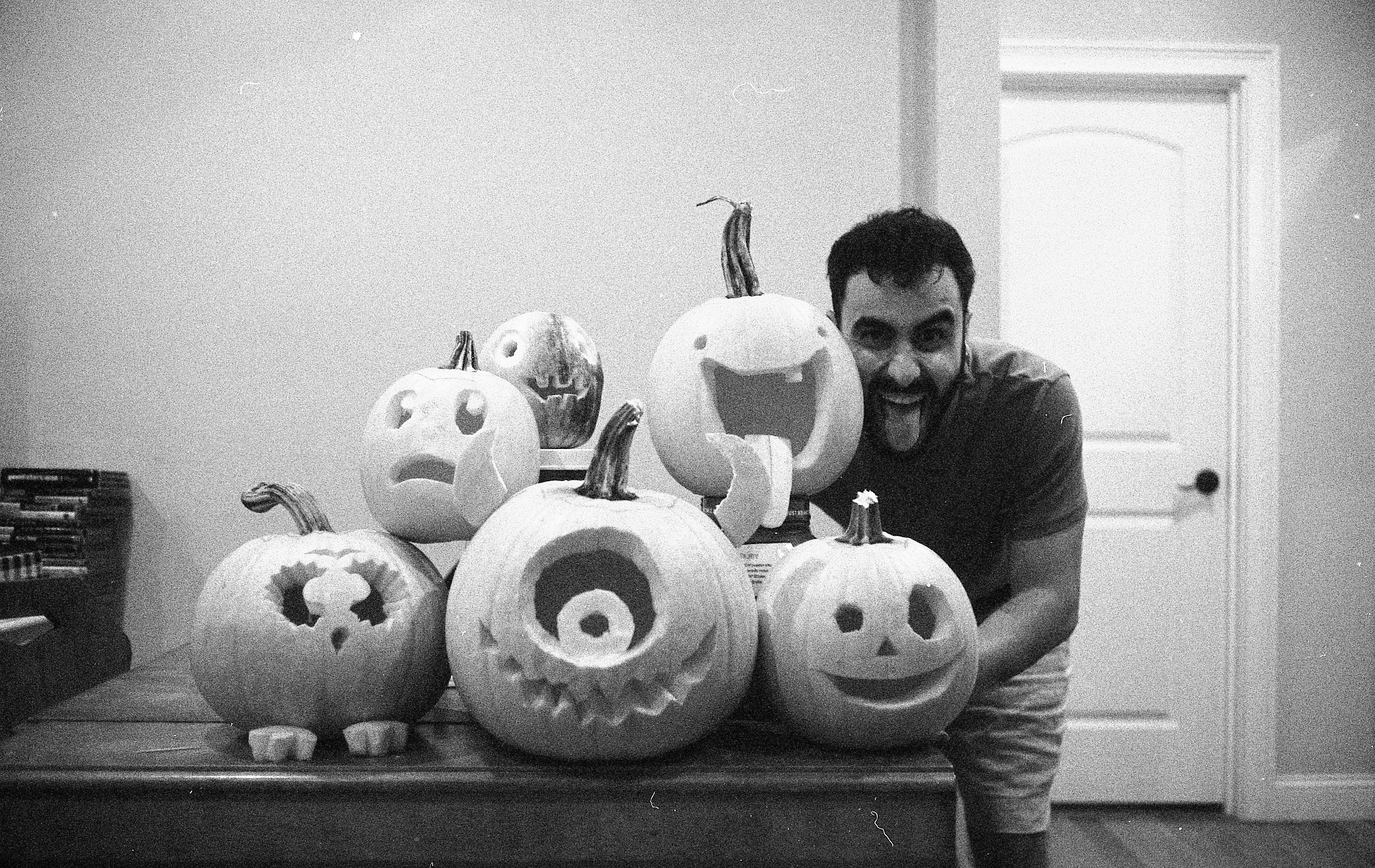
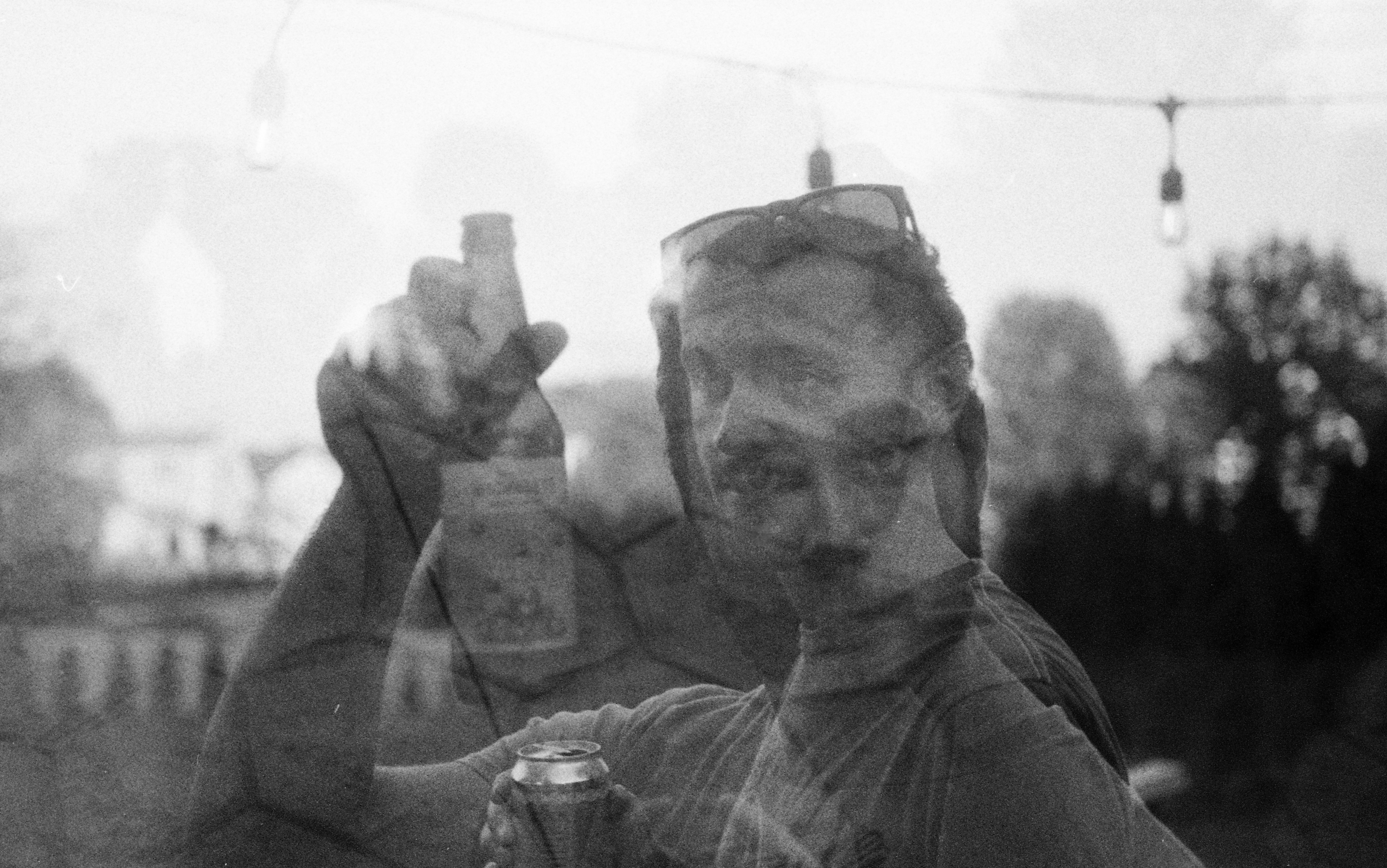
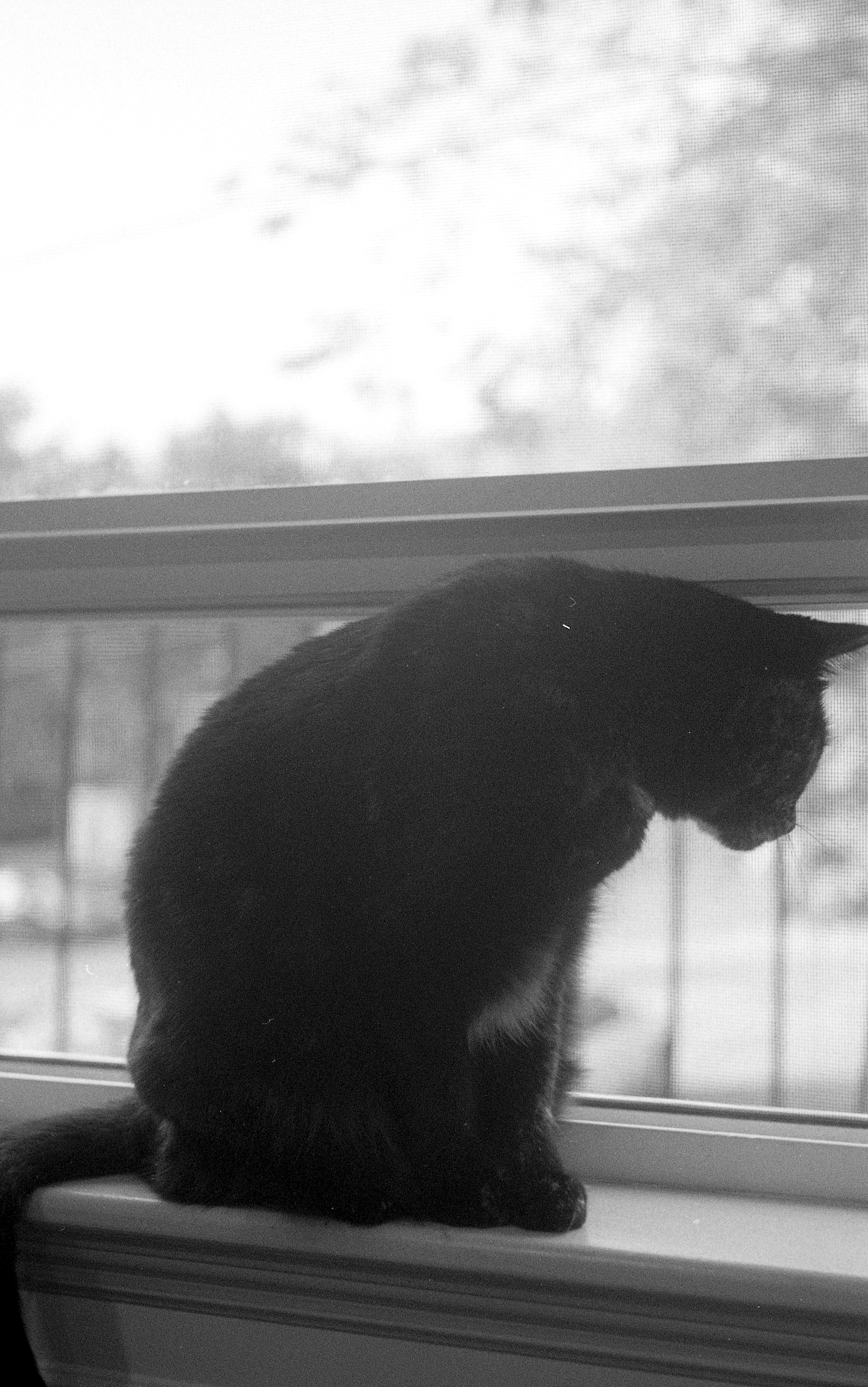
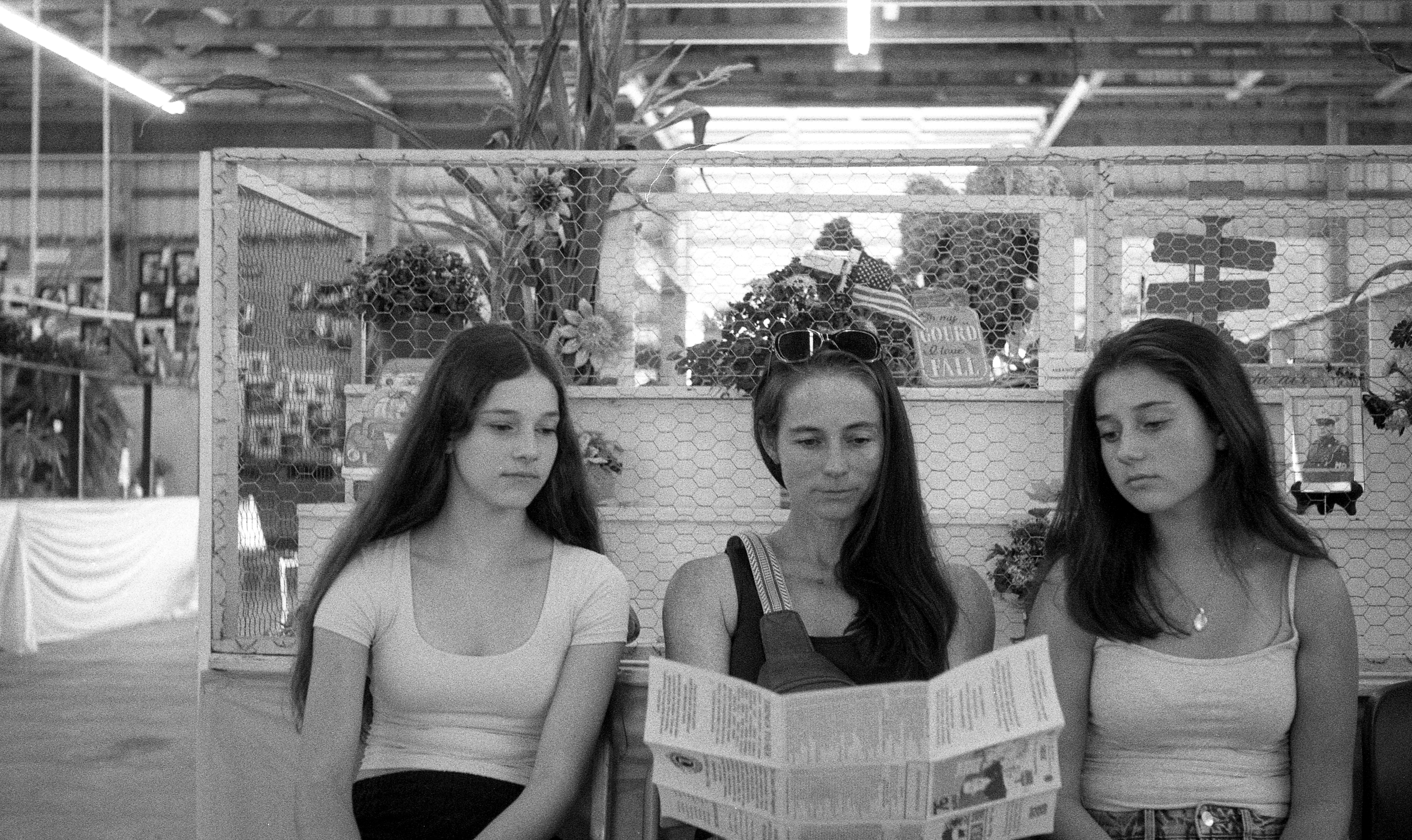
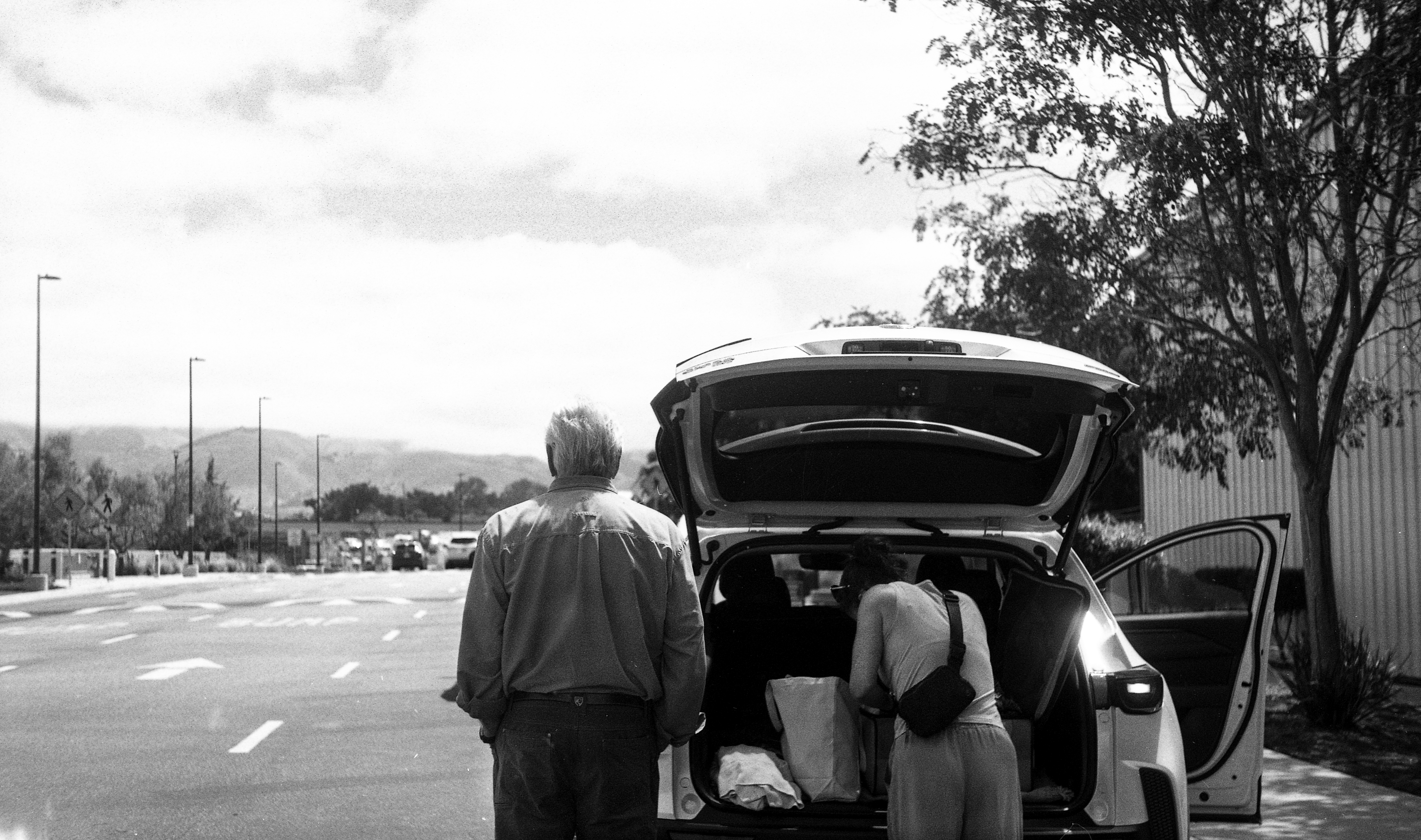
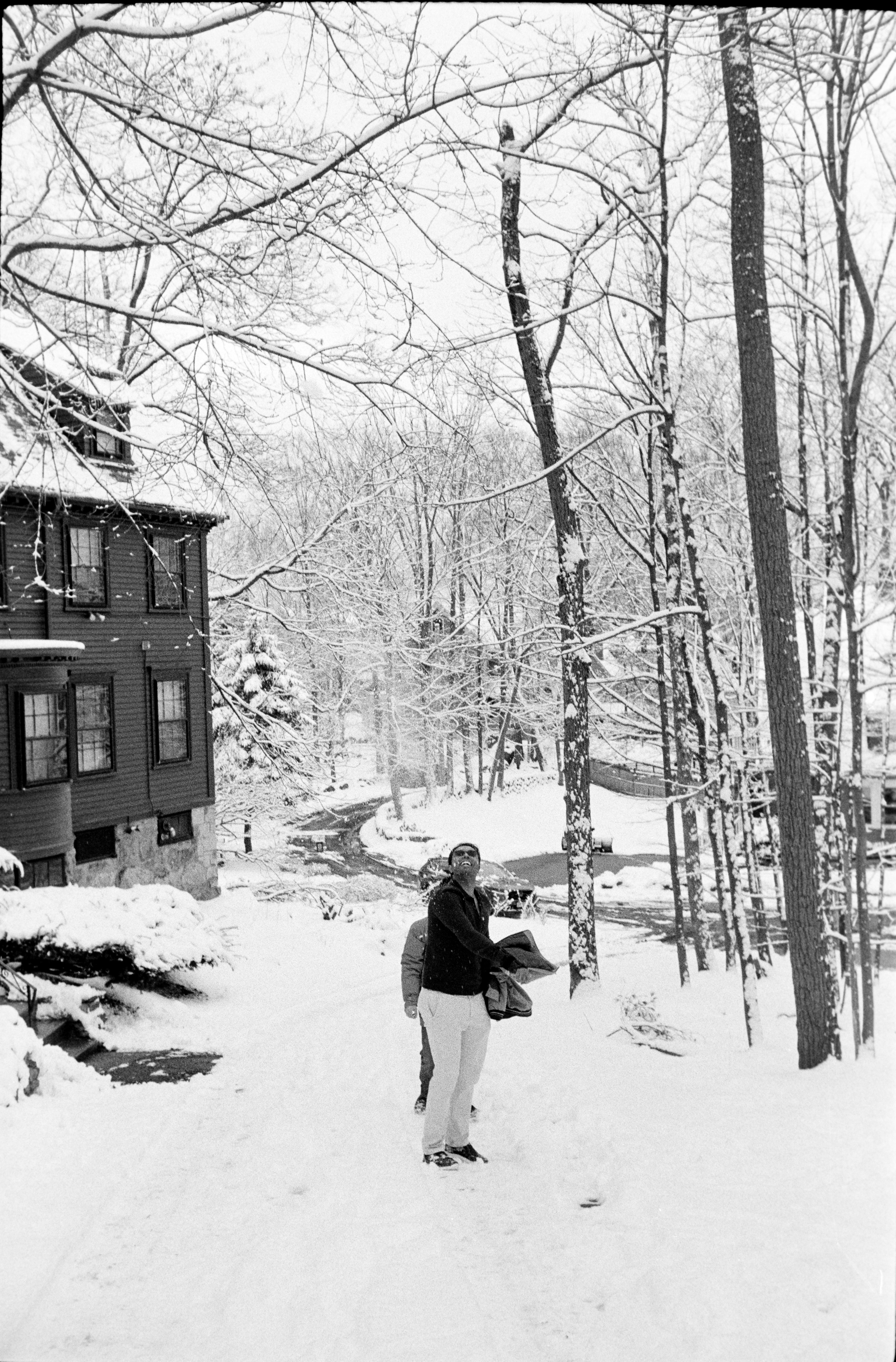
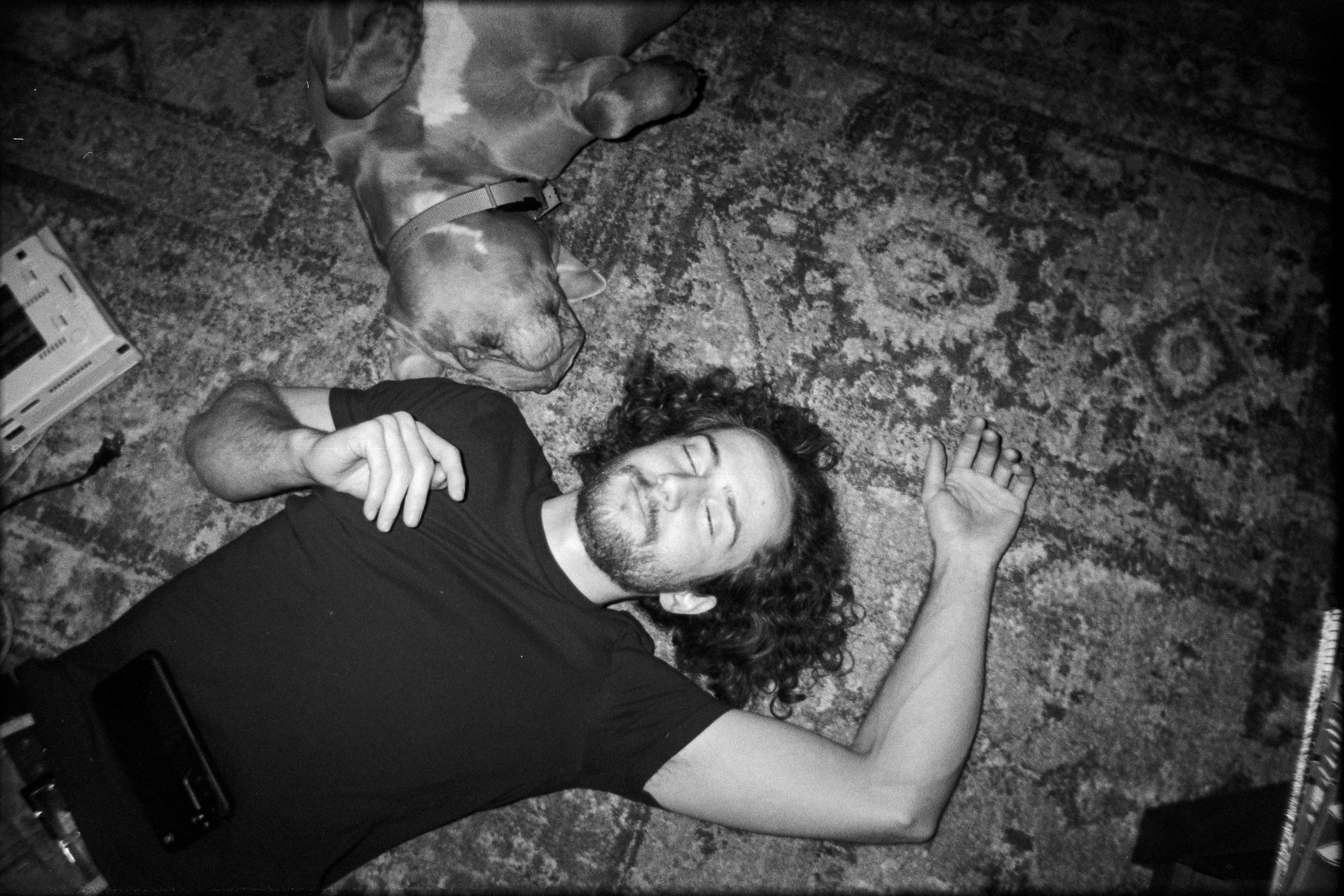
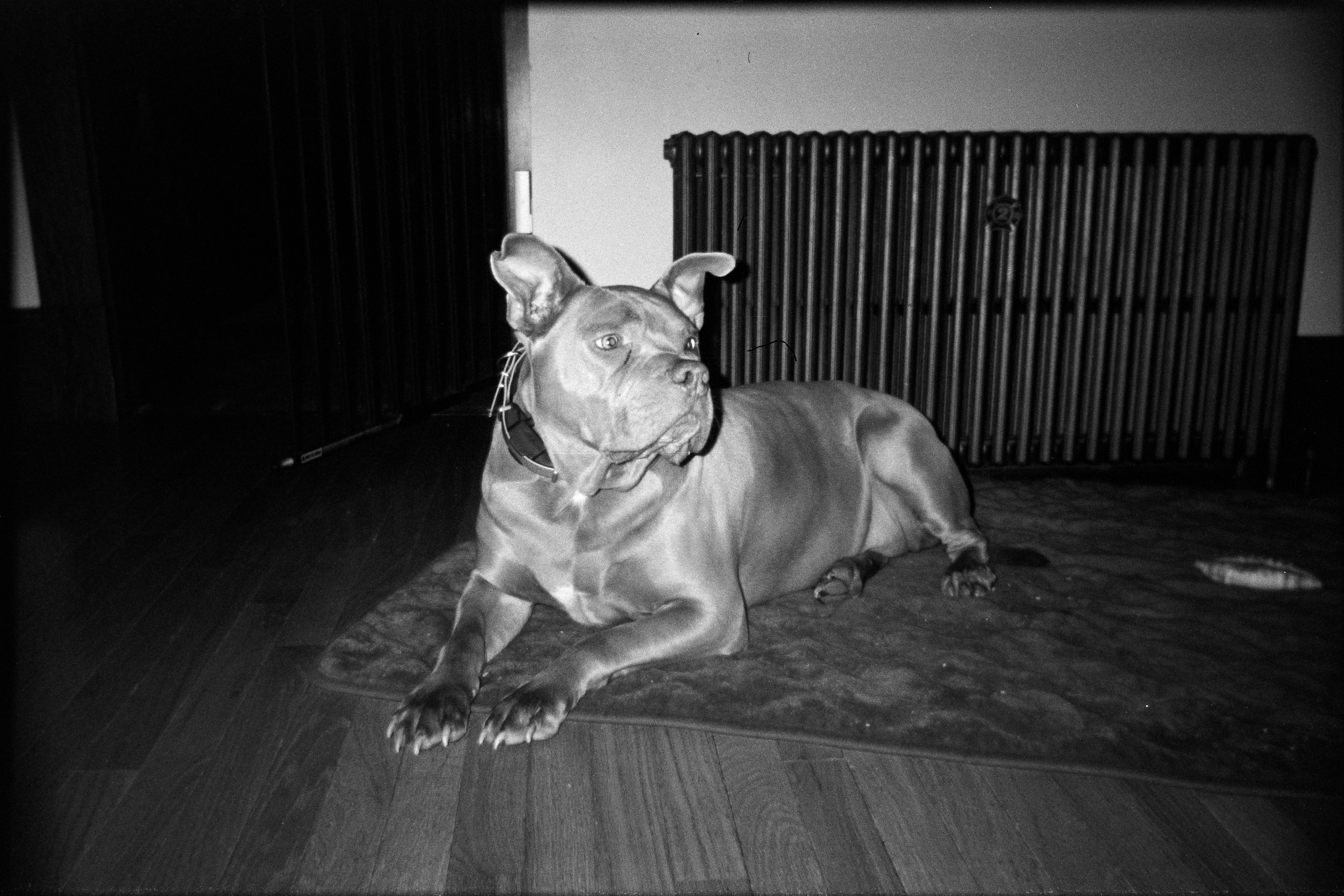
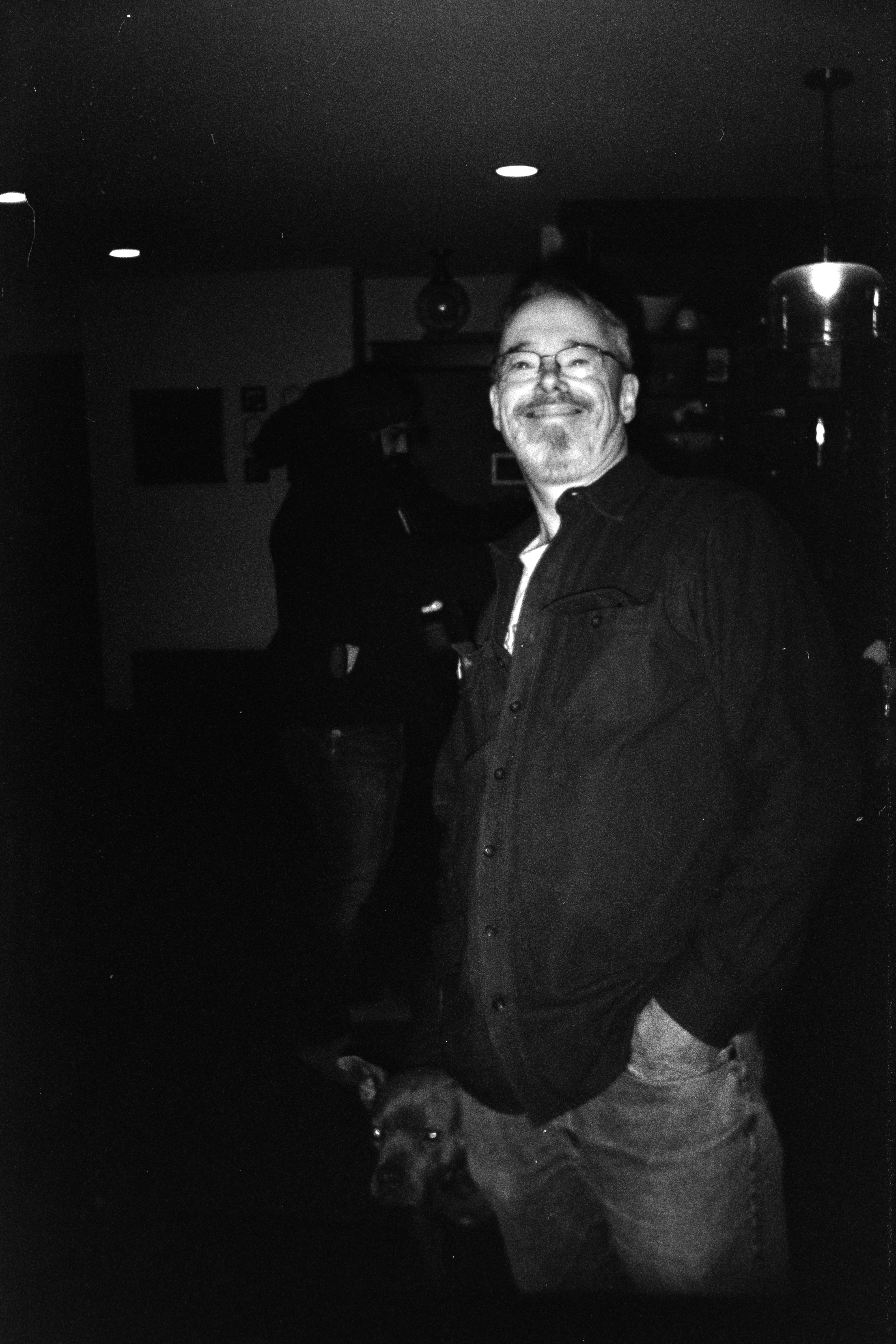
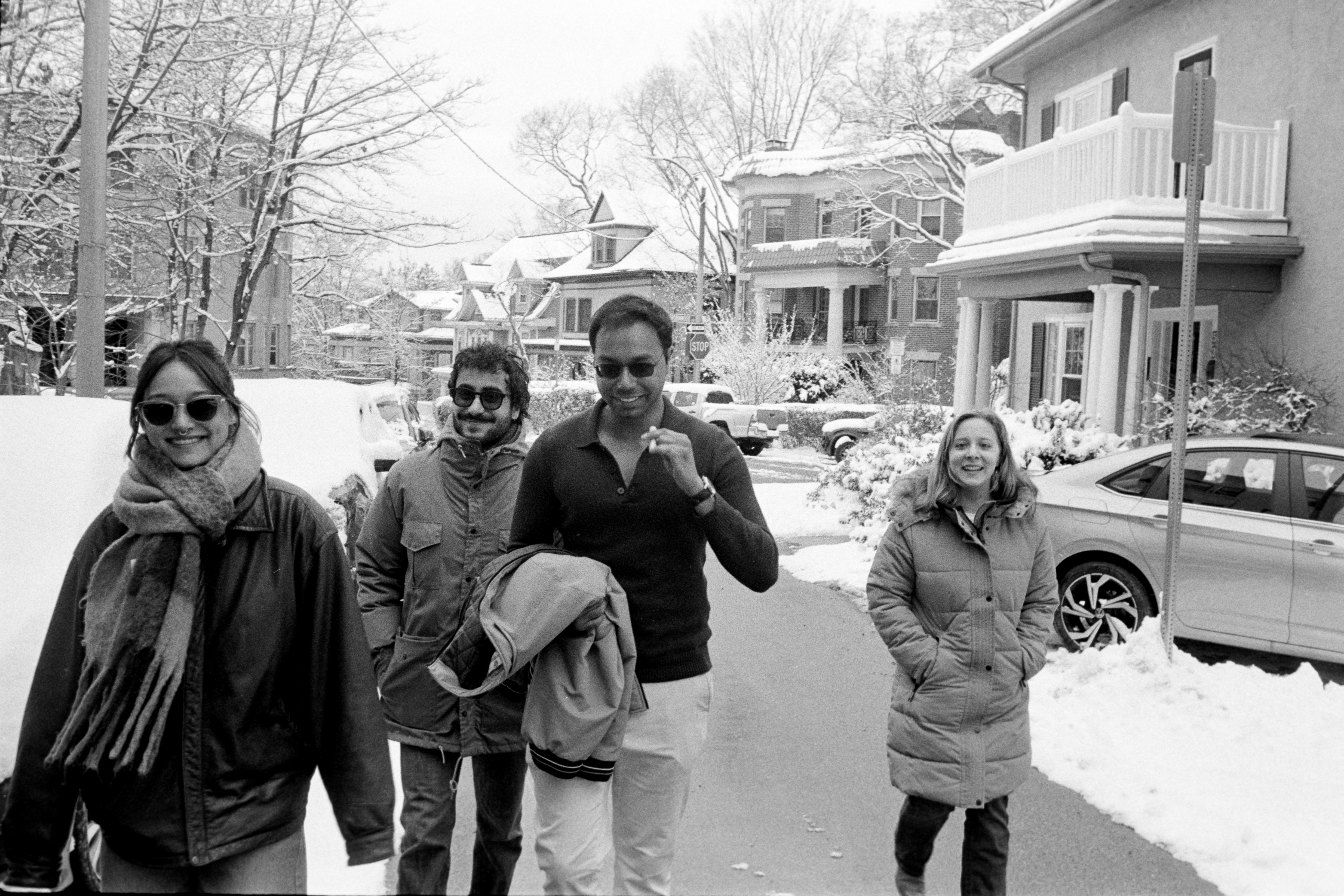
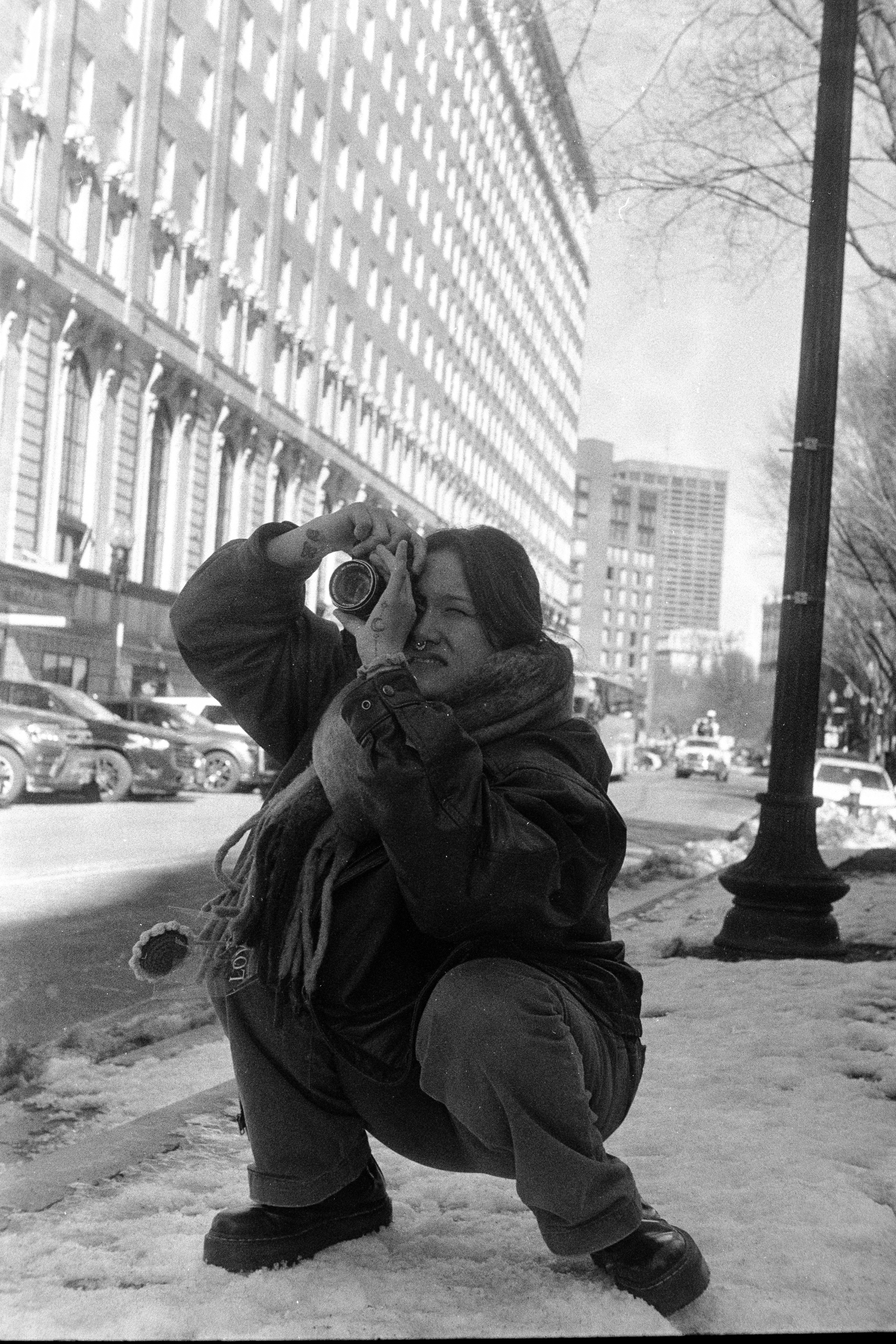
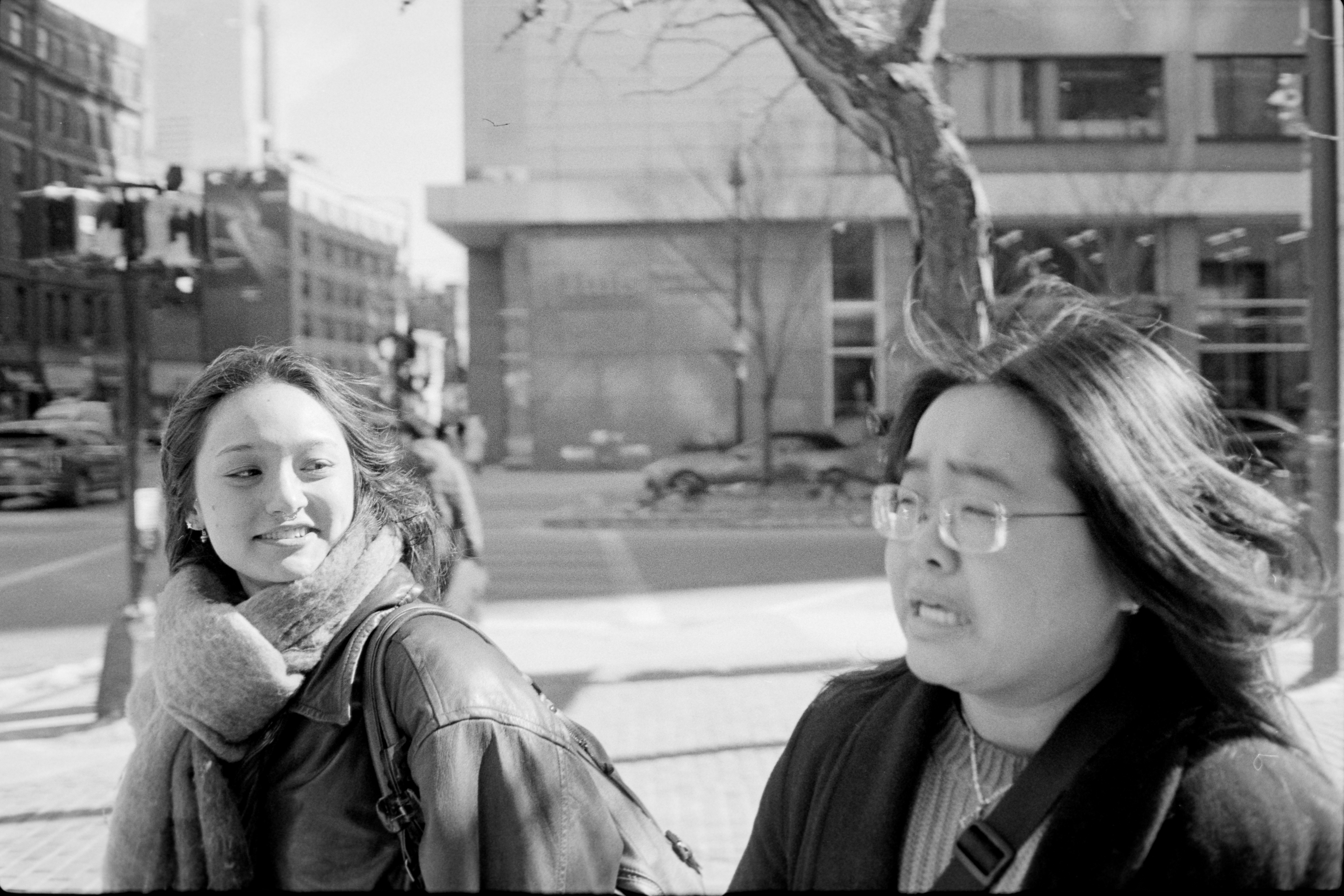
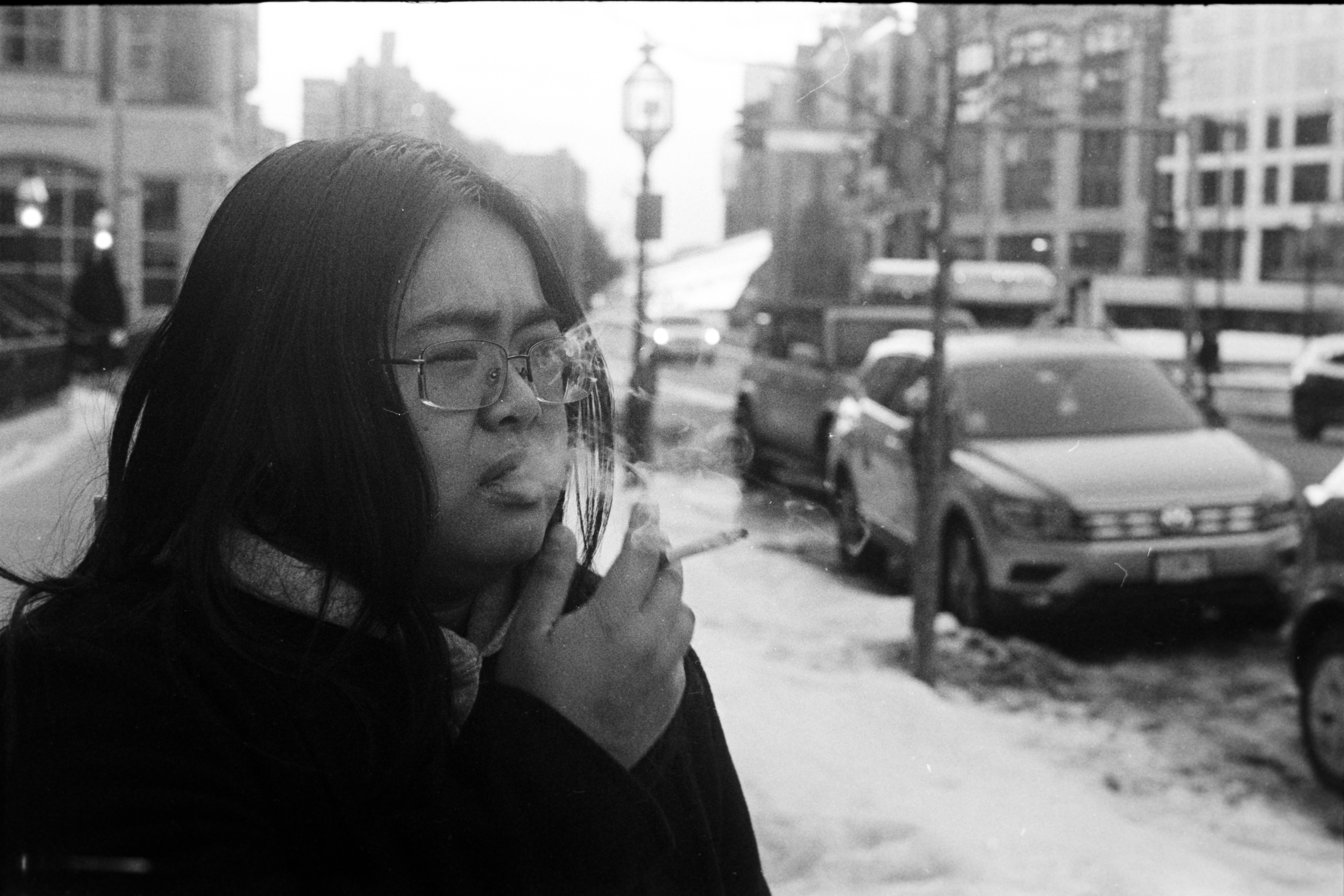
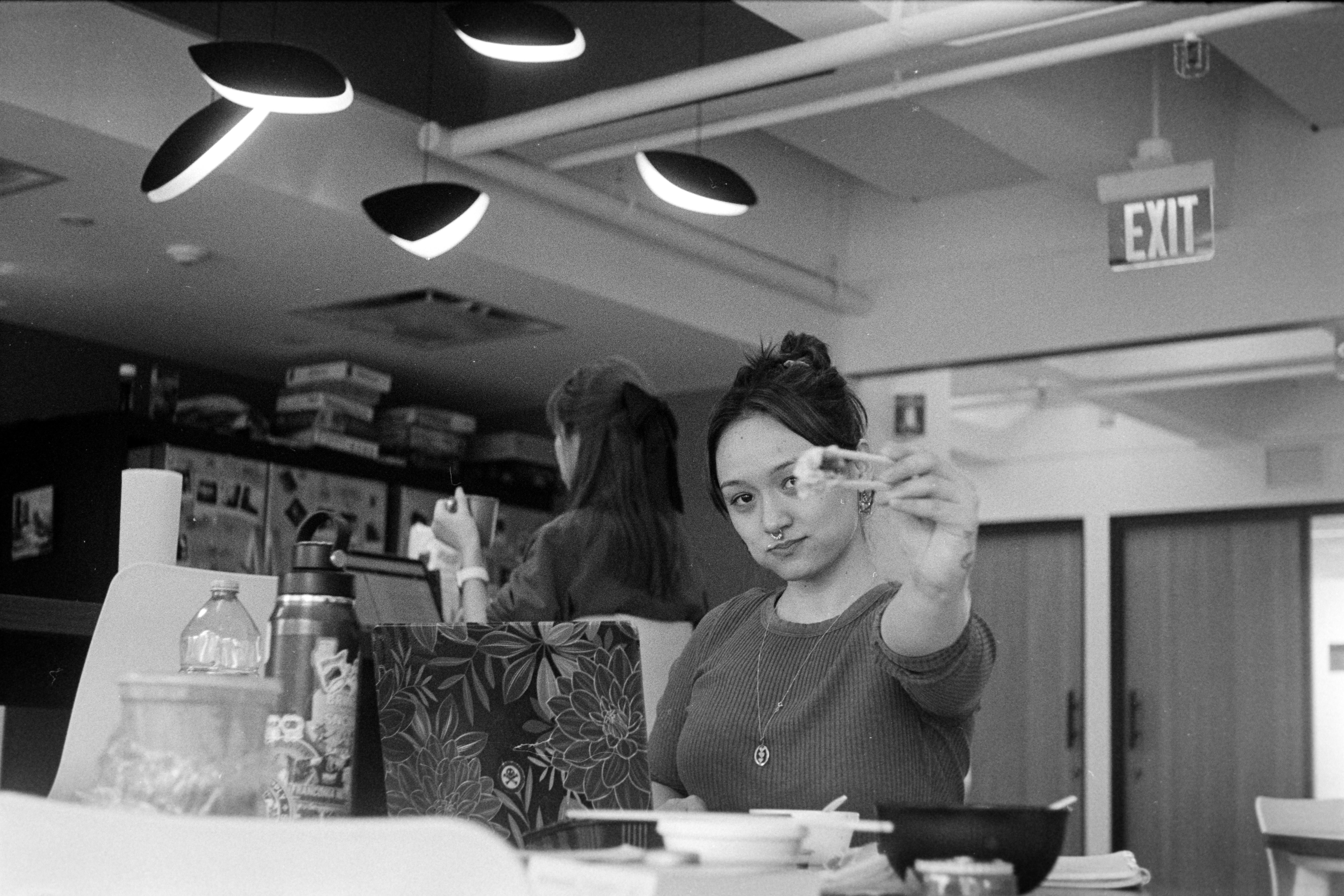
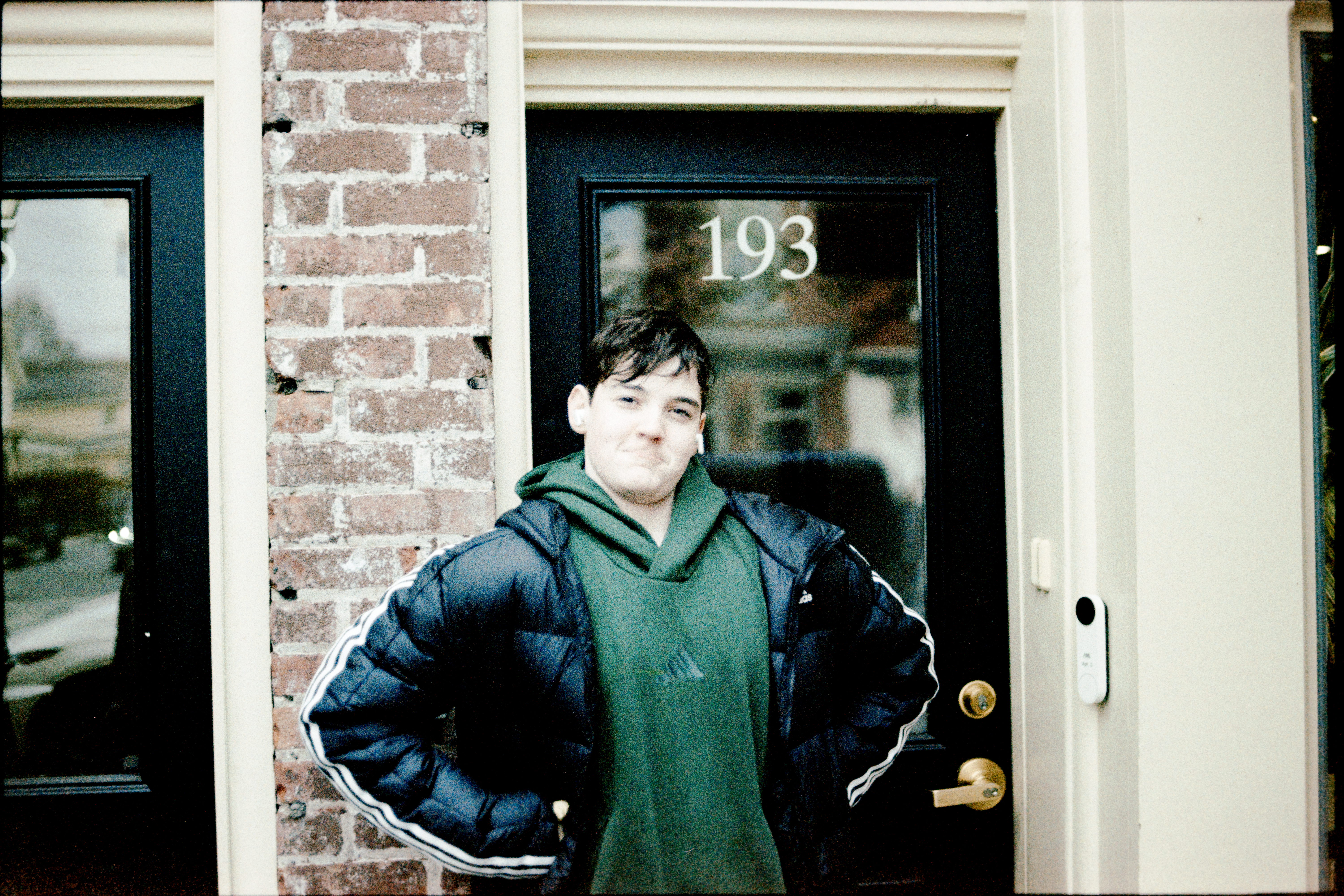
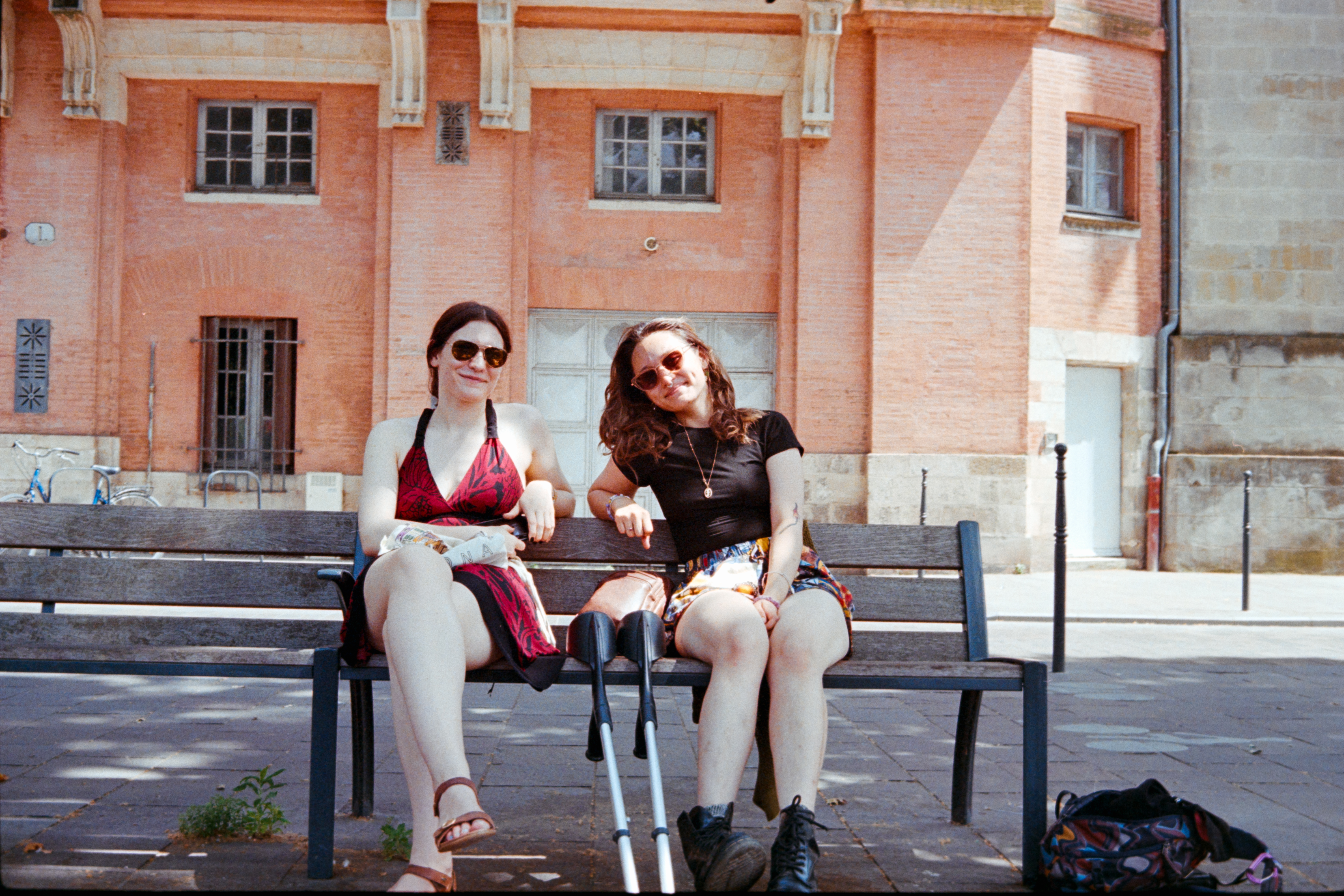
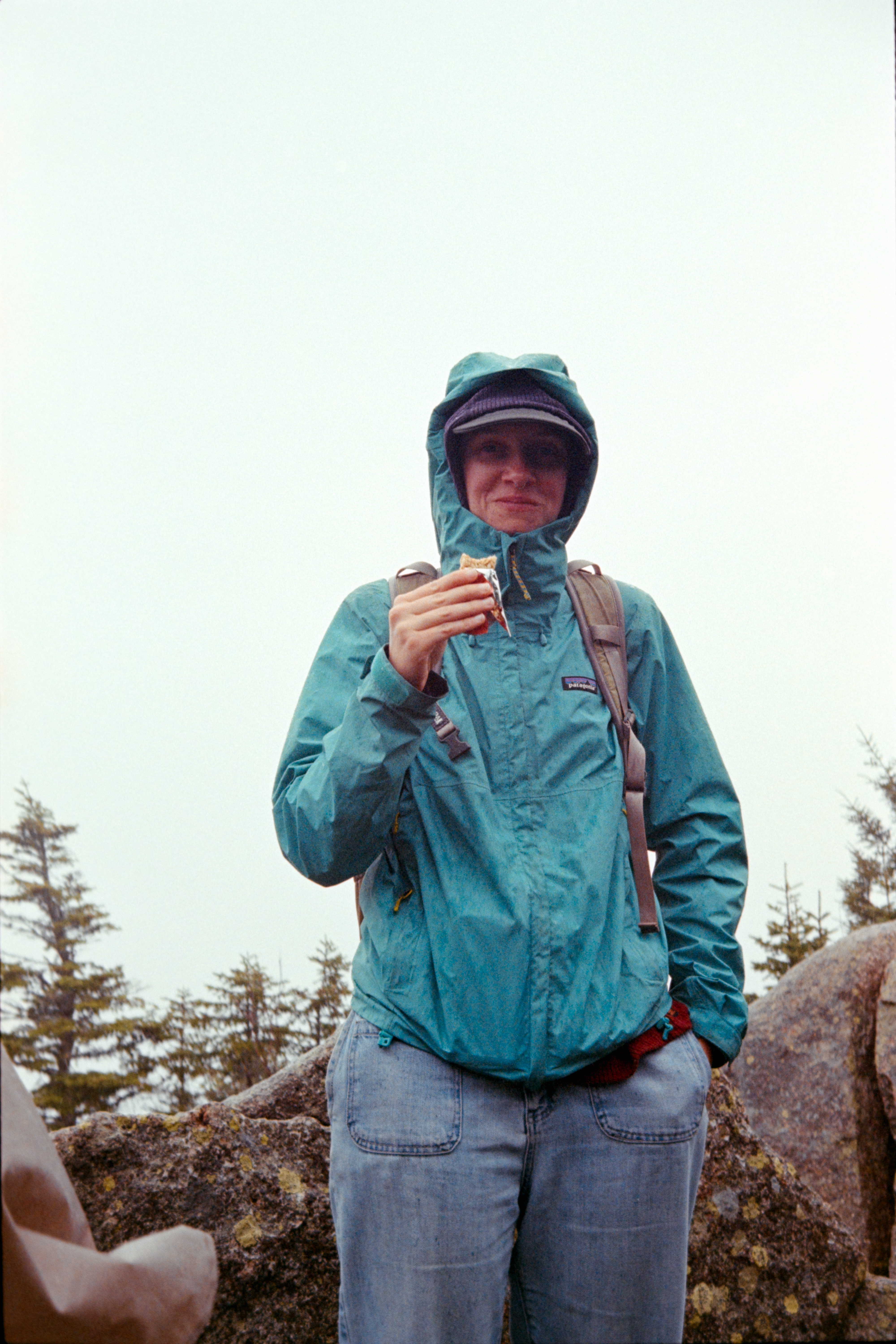
I see no better way to end this post than with photos of those who make my life special. Many notable people are absent from this collection since I don’t have film photos of them yet, we’ll have to change that some time soon.

















Fin – For Now
 Return Home